
Blooming
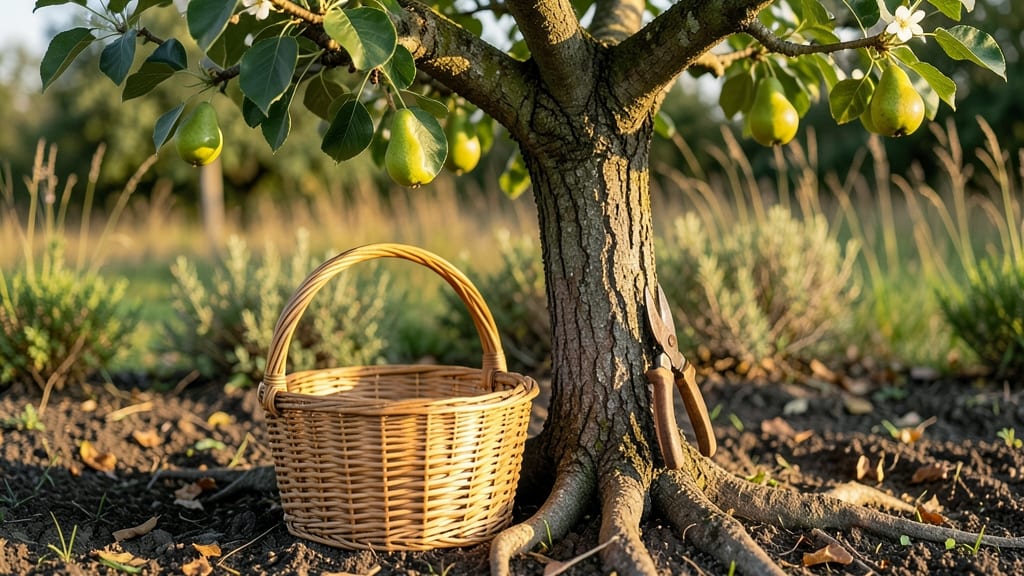
Pear season spans late summer through fall, peaking in August to October across most USDA zones, though exact timing varies by variety and climate. Early pears like Bartletts ripen first, while hearty Bosc pears often last through winter storage.
Pear season isn't just a single month—it's a gradual progression where climate plays a huge role. 🍐 In cooler northern zones (5-7), pears might linger into November, while southern zones (8-10) often see harvests stretching into December.
I've found that elevation matters too: mountain orchards in Zone 6 can have harvests two weeks earlier than valley orchards at the same latitude. The key is watching for that perfect balance of firmness and scent—when a pear gives slightly to gentle pressure and smells sweet at the stem.
What's interesting is how different varieties sync with seasonal changes. Early-season pears like Anjou ripen as summer winds down, while late varieties like Seckel develop their signature sweetness after the first frost.
This natural timing means you can enjoy fresh pears for months if you know which varieties to plant—or which farmers' markets to visit each week.
💡 In This Article
- USDA Zone-Specific Pear Harvest Timing
- How to Tell When Pears Are Perfectly Ripe
USDA Zone-specific pear harvest timing
Pear ripening follows a predictable pattern tied to temperature accumulation—measured in "growing degree days" (GDD)—which varies dramatically by USDA zone. In Zones 5-7, where winters are colder, pears typically begin maturing in late August, with peak harvests stretching through October.
The first to ripen are frost-sensitive varieties like Bartletts, which need consistent warmth above 70°F for proper sugar development.
Meanwhile, in Zones 8-10, where winters are mild, pears can start ripening as early as mid-July and continue into December, with varieties like Bosc and Asian pears thriving in these extended growing seasons.
The critical factor is frost timing. A single late-spring frost can delay ripening by 2-3 weeks in Zones 5-6, while early autumn frosts in Zones 7-10 can actually enhance sweetness in certain varieties like Anjou.
For example, in Zone 6 (like upstate New York or Colorado), Bartletts might not reach full ripeness until mid-September due to cooler nights, whereas in Zone 9 (Southern California), they're ready by late August.
This zone-based timing explains why roadside stands in cooler climates often have shorter seasons compared to orchards in warmer regions.
What's fascinating is how elevation alters these timelines. Orchards at 2,000+ feet in Zone 6 (like those in the Appalachians) may harvest 10-14 days earlier than valley orchards at sea level, thanks to cooler temperatures that accelerate ripening.
Conversely, low-lying areas in Zone 10 (like Florida) can experience two harvest peaks: one in summer for early varieties and another in winter for late-season pears like Seckel.
This geographic variation means if you're planning a pear-centric menu, checking your local USDA zone and elevation is just as important as tracking the calendar.
For home growers, this zone-specific knowledge translates directly to variety selection. Frost-tender Bartletts should only be planted in Zones 5-9, while hardy Bosc pears thrive in Zones 3-10.
The key is matching varieties to your climate: in Zone 4, you'd focus on late-ripening pears like Moonglow that can withstand cooler summers, whereas in Zone 10, you might grow early-ripening varieties like Orient that mature before the heat of summer peaks.
This strategic planting ensures you'll have fresh pears for 3-4 months of the year.
Understanding these patterns also helps explain why grocery stores often carry pears year-round. Many commercial orchards in Zones 8-10 harvest pears in summer and store them in controlled-atmosphere facilities, while northern orchards in Zones 5-7 focus on fall harvests.
The result? You can enjoy fresh pears from June through December, though the peak flavor window—when pears are harvested at perfect ripeness—typically falls between September and November in most regions.
One pro tip: If you're in a Zone 5-7 area and want to extend your pear season, consider planting both early and late varieties.
For instance, pair frost-sensitive Bartletts (ready by late August) with hardy Bosc (ready by October), giving you a 6-week harvest window instead of just a few weeks.
This diversity isn't just about quantity—it's about experiencing the full spectrum of pear flavors, from the delicate sweetness of early-season pears to the robust, spiced notes of late-ripening varieties.