
Orchid Care
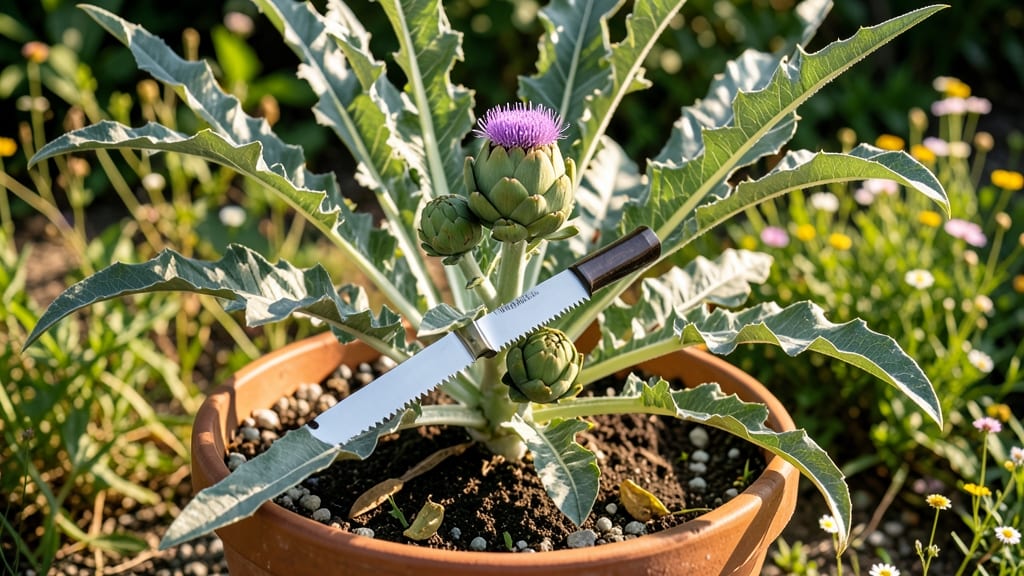
Artichokes are in season from March to June in the U.S., with peak harvests varying by region—cooler coastal areas (Zones 7-9) produce them earliest, while inland zones (4-6) see later harvests in May-July. Fresh-picked artichokes taste most tender and flavorful during these windows.
Timing matters because artichokes are frost-sensitive plants that need 60-75°F temperatures to thrive. 🌱 Coastal regions like California and Florida enjoy earlier harvests (March-April) due to milder winters, while inland areas wait until late spring when soil warms.
The flavor difference is dramatic—fresh, spring-picked artichokes have a crisp texture and delicate flavor, while summer-grown ones can become woody if left on the stalk too long.
For the best experience, I always hunt for artichokes at farmers' markets during their local peak season, where growers often sell them within hours of harvest.
If you miss the seasonal window, don't worry—frozen artichokes retain most of their nutrients and are a great alternative.
Just look for bright green buds and avoid any with soft spots or yellowing leaves. 💫 The key is understanding your local growing zone and planning meals around these natural cycles, which makes all the difference in taste and texture.
💡 In This Article
- Artichoke Growing Zones and Climate Requirements
- How to Source Seasonal Artichokes Locally
Artichoke growing zones and climate requirements
Artichokes (Cynara cardunculus var. scolymus) thrive in USDA hardiness zones 4-10, but their ideal growing conditions explain why harvest timing shifts dramatically across the country. These Mediterranean natives need 60-75°F daytime temperatures and 50°F nights to produce their signature tight buds.
Coastal regions like California's Central Valley (Zone 9) and Florida (Zone 10) enjoy earlier harvests (March-April) because their mild winters prevent frost damage, while inland areas like Colorado (Zone 5) only see harvests in May-July when soil temperatures consistently stay above 55°F.
The key factor is frost sensitivity—artichoke plants bolt (flower prematurely) when exposed to temperatures below 28°F, ruining the tender buds. This is why coastal areas with maritime climates get a head start: ocean breezes moderate temperatures, creating a 2-4 week earlier growing window than inland zones.
For example, California's first harvests begin in early March when coastal fog keeps nights cool, while Arizona's desert zones (Zone 9) don't see harvests until late April due to hotter daytime temperatures that delay bud formation. 🌱
Sunlight and soil quality also play critical roles. Artichokes require 6-8 hours of direct sun daily and well-draining soil with a pH of 6.5-7.0—too acidic soil (below 6.0) causes nutrient deficiencies that make buds tough.
The plants' deep taproots need loose, sandy loam to prevent rot, which is why coastal regions with volcanic soil (like California) often produce higher-quality artichokes. In contrast, heavy clay soils common in the Midwest (Zones 5-6) can delay harvests by 3-4 weeks as growers must amend soil before planting.
Here's what most people don't realize: artichokes are biennial plants that produce their best buds in their second year of growth.
This means farmers in cooler zones (4-6) often plant in early spring and harvest the following year, while warmer zones (7-10) can plant in fall or winter for spring harvests.
The timing difference explains why grocery stores in Zone 7 (like Georgia) might sell artichokes in April-May, while Zone 4 growers (like Michigan) only see them in June-July.
Temperature also affects flavor development. Buds grown in cooler coastal climates develop more slowly, resulting in tighter, more tender hearts with a delicate, slightly nutty flavor.
In contrast, inland-grown artichokes in hotter zones (8-10) can become woody or bitter if left on the stalk too long before harvest—a common issue in late-season crops.
The ideal harvest window is when buds are firm to the touch with tightly closed scales, which typically occurs 8-12 weeks after planting, depending on zone.
For home gardeners, understanding these climate requirements means planning ahead. If you're in Zone 5, start seeds indoors in March and transplant after the last frost (mid-May), aiming for a July harvest. In Zone 9, you can plant directly in fall (October-November) for a March-April harvest.
The key is matching your local frost dates to the plant's 120-150 day growing cycle—any shorter, and you'll get smaller, less flavorful buds. 💫