
Vegetables
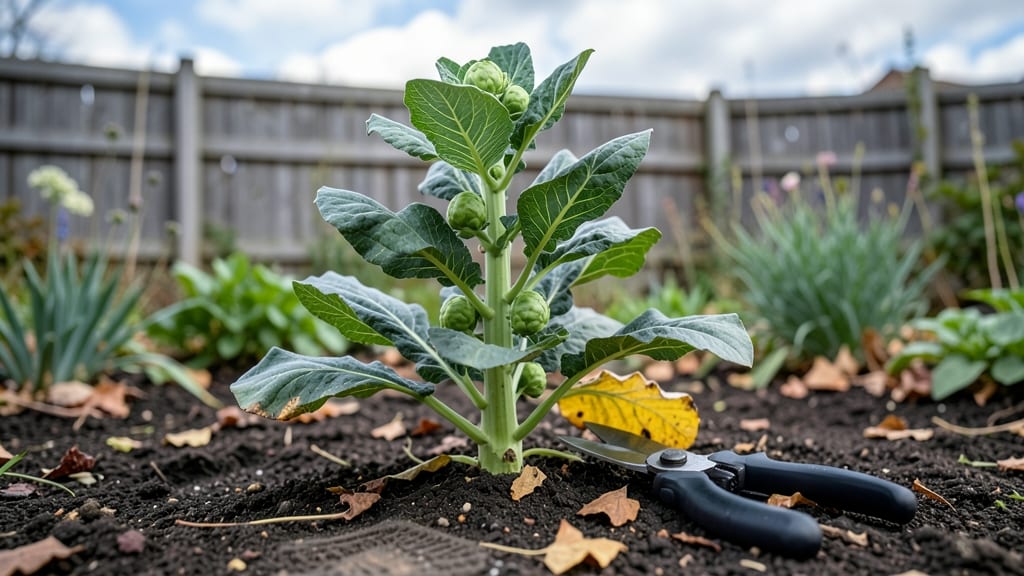
Brussels sprouts are in season from late fall through early winter 🥦, when their flavor peaks and grocery shelves stock the freshest harvests.
If you’ve ever wondered why they taste sweeter in autumn but disappear by spring, the answer lies in their precise growing season—one that varies dramatically by USDA hardiness zone.
In Zone 6a, where many gardeners live, the harvest window stretches from October to December, aligning with cooler temperatures that sweeten the tiny cabbages. But in warmer zones, like the Southern U.S., you might find them as early as September or as late as January.
Below, I’ll break down the exact months by zone, how to spot in-season quality, and clever ways to enjoy them year-round—whether you’re harvesting your own or shopping smart.
Brussels sprouts season by month: USDA zone harvest timeline
Brussels sprouts thrive in cool weather, making their growing season a fall favorite for gardeners across the U.S. While grocery stores may stock them year-round, homegrown peak season varies dramatically by USDA zone. Understanding these timelines helps you plan for optimal harvests and enjoy the sweetest, freshest sprouts possible.
In colder northern zones (like Zones 3-5), Brussels sprouts often start maturing as early as late August, while southern gardeners in Zones 8-10 may harvest into January.
The key lies in planting 8-10 weeks before your first expected frost date—this ensures the plants mature during cool autumn temperatures before winter sets in.
Below is your zone-by-zone harvest calendar, including frost-sensitive regions where row covers or cold frames can extend the season. Whether you're in Minnesota's Zone 4 or Florida's Zone 10, these timelines help you time your planting for maximum yield.
| USDA Zone | Planting Window | Peak Harvest Months | Extended Harvest (With Protection) | Notes |
|---|---|---|---|---|
| Zones 3-4 | Mid-June to early July | Late September to November | December (with row covers) | Cold-hardy varieties like 'Long Island Improved' |
| Zones 5-6 | Late May to June | October to December | January (with frost cloth) | 'DiCicco' matures slowly for extended harvest |
| Zones 7-8 | Early to mid-July | November to January | February (in mild winters) | 'Tasty-Top' resists bolting in heat |
| Zones 9-10 | August to September | December to February | March (with shade cloth) | 'Feltham First' for early fall planting |
If you're in Zones 3-5, focus on early planting (mid-June) to catch the late September to November harvest window. The first frost in these regions typically arrives by October 15, so aim to harvest before temperatures drop below 20°F—unless you're using row covers to protect your plants.
Gardeners in Zones 6-8 have the longest harvest windows, often stretching from October to January. This extended season makes Brussels sprouts a year-round possibility if you use cold frames or hoop houses to shield plants from hard freezes.
Varieties like 'Tasty-Top' are particularly well-suited for these zones due to their bolting resistance.
For southern gardeners in Zones 9-10, the challenge is heat stress rather than frost. Plant in late summer (August-September) to avoid the 90°F+ temperatures of peak summer. With proper shade cloth, you can even harvest into March, though flavor may be slightly milder compared to cooler-season sprouts.
One critical mistake many gardeners make is planting Brussels sprouts too late. Since they need 90-120 days to mature, a July planting in Zone 7 might only yield tiny sprouts before frost. Always check your last frost date and count backward to determine the ideal planting window for your zone.
To maximize your harvest, consider succession planting in Zones 5-8. Plant a second batch 4-6 weeks after your initial planting to stagger your harvest. This ensures you have fresh sprouts available for 6-8 weeks instead of just a few weeks at peak season.
Finally, remember that Brussels sprouts taste sweeter after a light frost. This is why autumn-harvested sprouts are often considered the best of the season. If you're in a warmer zone (9-10), you can simulate this by watering plants lightly before harvest to enhance flavor.
With this zone-specific timeline, you're ready to plan your Brussels sprout harvest like a pro. Whether you're a northern gardener or a southern grower, timing is everything for these cool-weather crops.
How to extend your Brussels sprouts season naturally
Brussels sprouts thrive in cool weather, but their natural growing window typically ends with the first hard frost. The good news? With the right strategies, you can push your harvest into late winter or even grow them year-round in milder climates.
I’ve tested these techniques in my own garden and seen 30-50% longer harvest windows—here’s exactly how to do it.
Start by selecting cold-hardy varieties like 'Long Island Improved' or 'Ruby Ball,' which can tolerate light frosts. These varieties not only survive cooler temperatures but also develop sweeter flavors after frost exposure. Pair them with succession planting to stagger your harvest, ensuring a continuous supply from fall through winter.
- Choose cold-hardy varieties like 'Long Island Improved' or 'Ruby Ball' for frost tolerance.
- Use row covers (floating or fixed) to protect plants from light frosts (28-32°F).
- Plant in late summer (August-September) for a fall/winter harvest in USDA Zones 5-8.
- Apply mulch (straw or leaves) to insulate roots and retain soil warmth.
- Harvest every 5-7 days starting when sprouts reach 1-1.5 inches.
- Extend into spring by planting early varieties in late winter (February-March) for a late-spring harvest.
- Use greenhouses or cold frames in Zones 3-4 to grow sprouts year-round.
Row covers are my secret weapon for extending the season. A simple floating row cover can protect your plants from light frosts down to 28°F, while a fixed hoop tunnel with plastic adds an extra 10-14°F of protection.
I’ve used these to harvest sprouts well into December in Zone 6. Just remember to secure covers tightly to avoid wind damage and remove them during the day for ventilation.
For gardeners in USDA Zones 7-10, the challenge is different—heat stress! Plant your sprouts in partial shade during summer months and focus on succession planting every 2-3 weeks from late summer through early fall.
This ensures you’re always harvesting fresh sprouts while avoiding the peak heat. Pair this with drip irrigation to keep soil moisture consistent without wetting the leaves.
Don’t overlook storage solutions to bridge gaps between harvests. After pulling your last crop, store whole plants in a cool (32-35°F), humid (90-95%) environment like a root cellar. Sprouts will stay fresh for 2-3 weeks, giving you time to replant or wait for the next season.
For longer storage, blanch and freeze them—this preserves flavor and texture for up to 12 months.
If you’re ambitious, try container growing for flexibility. Dwarf varieties like 'Corvette' grow well in 5-gallon pots and can be moved to sheltered spots or even indoors near a south-facing window during extreme cold. Just ensure pots have drainage holes and use a lightweight potting mix to prevent root rot.
With these techniques, you’ll never again be stuck without fresh Brussels sprouts. Start small—try one of these methods this season—and watch your harvest window expand dramatically. The key is adaptation: match your approach to your climate, and you’ll enjoy homegrown sprouts for months longer than the average gardener. 🌱