
Blooming
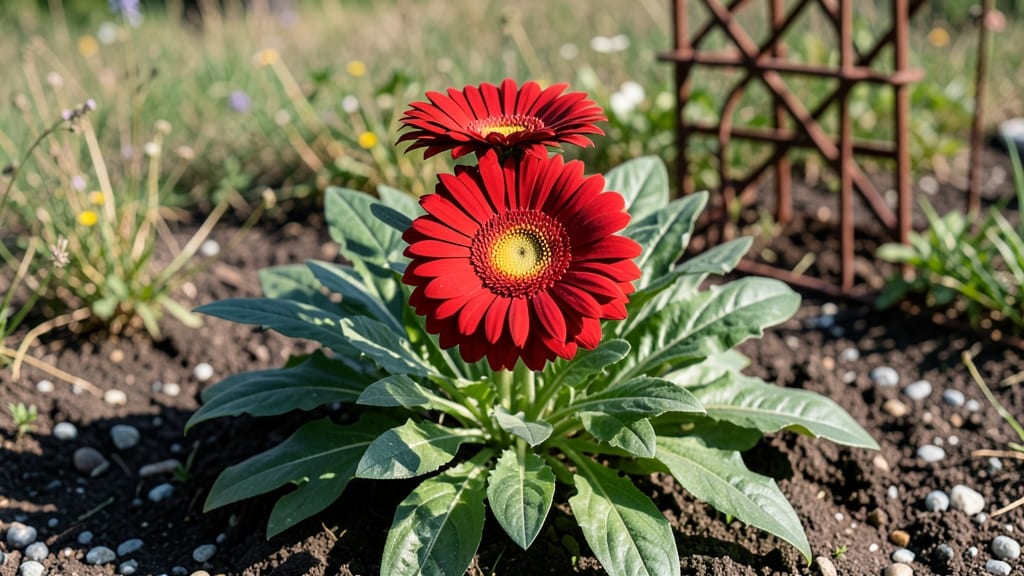
Daisies bloom in season from late spring through early fall 🌼 — but the exact months depend on your USDA zone, variety, and local climate.
Picture this: You’ve just planted your favorite perennial daisies in March, eager for their cheerful faces. But if you’re in Zone 5, you might miss the early blooms unless you plan ahead. Meanwhile, gardeners in Zone 9 could enjoy them well into October! Timing makes all the difference.
Annual daisies like Gerbera often start blooming as early as May in warmer zones, while hardy perennials like Shasta daisies may wait until June in cooler climates. Even within the same zone, microclimates—like a sunny hillside versus a shaded valley—can shift bloom times by weeks.
In this guide, you’ll discover the precise months for peak daisy blooms by zone, plus pro tips to stretch their season. Whether you’re planting for a summer display or fall arrangements, knowing when daisies thrive helps you avoid empty garden spots—and wasted effort.
Exact daisy blooming months by USDA zone (with peak season chart)
Daisies are the cheerful stars of summer gardens, but their bloom times shift dramatically depending on your USDA hardiness zone. In Zone 3, early bloomers like Shasta daisies may start as early as May, while Zone 11 gardeners can enjoy Gerbera daisies year-round with proper care.
Understanding these patterns helps you plan for peak bloom periods and extend your garden’s beauty.
Most daisies thrive in full sun (6+ hours daily), but cooler zones need earlier varieties to beat frost, while warmer zones can grow tropical daisies like African daisies for extended seasons.
Let’s break down the exact months for perennial and annual daisies across all zones, so you can time your plantings perfectly.
| USDA Zone | Early Bloomers | Peak Season | Late Bloomers | Best Varieties |
|---|---|---|---|---|
| Zones 3-4 | Late May | June-August | Early September | Shasta Daisy, Oxeye Daisy |
| Zones 5-6 | Early May | May-September | October | Gerbera Daisy, Painted Daisy |
| Zones 7-8 | April | April-October | November | Black-Eyed Susan, Coneflower |
| Zones 9-10 | February | February-December | Year-round with care | African Daisy, Zinnia |
| Zone 11 | Year-round | Year-round | Year-round | Gerbera, Gerbera 'Mona Lisa' |
In Zones 3-4, your window for daisy blooms is tight—typically June through August—so focus on early-blooming perennials like Shasta daisies. These hardy plants can handle late frosts and reward you with cheerful white blooms that last for weeks.
For longer seasons, try Oxeye daisies, which often rebloom in early fall.
Gardeners in Zones 5-6 enjoy a longer bloom season, from May to October, making them ideal for cut flower arrangements. Gerbera daisies thrive here, offering bold colors like red, orange, and yellow. Plant them in well-draining soil and deadhead spent blo
How to extend daisy season: planting tips for longer blooms
Daisies are the stars of summer gardens, but their blooms don’t have to end with the first frost. With the right techniques, you can stretch their seasonal display by weeks—or even months. The secret lies in strategic planting, proper care, and understanding your USDA zone.
Whether you’re growing Shasta daisies or Gerbera daisies, these methods will keep your garden vibrant longer.
Many gardeners assume daisies bloom for just a few months, but with successive planting and deadheading, you can enjoy their cheerful faces from early summer through fall. Start by choosing long-blooming varieties like Oxeye daisies or African daisies, which naturally produce flowers over extended periods.
Pair this with soil enrichment and consistent watering to maximize their potential.
- 📅 Stagger plantings every 2-3 weeks for a continuous flower display from summer to frost.
- ✂️ Deadhead spent blooms daily to encourage new flower production and prevent seed formation.
- 🌱 Fertilize lightly with balanced 10-10-10 every 4-6 weeks during the growing season.
- 💧 Water deeply in the morning to reduce disease risk and promote strong root growth.
- 🌿 Mulch around plants to retain moisture and regulate soil temperature for extended blooming.
- ☀️ Ensure full sun (6+ hours daily) to maximize flower production and plant health.
- 🌡️ Adjust care for your USDA zone: in colder zones, plant hardy perennials like Shasta daisies.
For cooler climates (Zones 3-6), focus on perennial daisies like Shasta daisies, which thrive in well-drained soil and full sun. These varieties often rebloom in late summer if you remove faded flowers promptly.
In warmer zones (Zones 7-11), opt for annual varieties like Gerbera daisies, which can bloom nearly year-round with minimal care.
Deadheading is one of the simplest yet most effective ways to extend daisy season. By removing spent blooms regularly, you redirect the plant’s energy into producing new flowers instead of seeds.
Use clean, sharp pruners to snip just above the next set of leaves, and repeat every few days during peak bloom. This method works wonders for Oxeye daisies and African daisies, keeping them in full bloom for weeks longer.
Don’t overlook the power of soil preparation. Daisies thrive in well-draining soil with a pH between 6.0 and 7.0. Before planting, amend your soil with compost or aged manure to provide essential nutrients.
In containers or poor soil, use a high-quality potting mix with added perlite for drainage. Proper soil conditions set the stage for healthier plants and longer-lasting blooms.
With these simple strategies, your daisies can stay in bloom well into fall—or even winter in mild climates. Start by choosing the right varieties for your zone, then maintain consistent care. Before you know it, your garden will be a daisy lover’s paradise all season long! 🌼