
Blooming
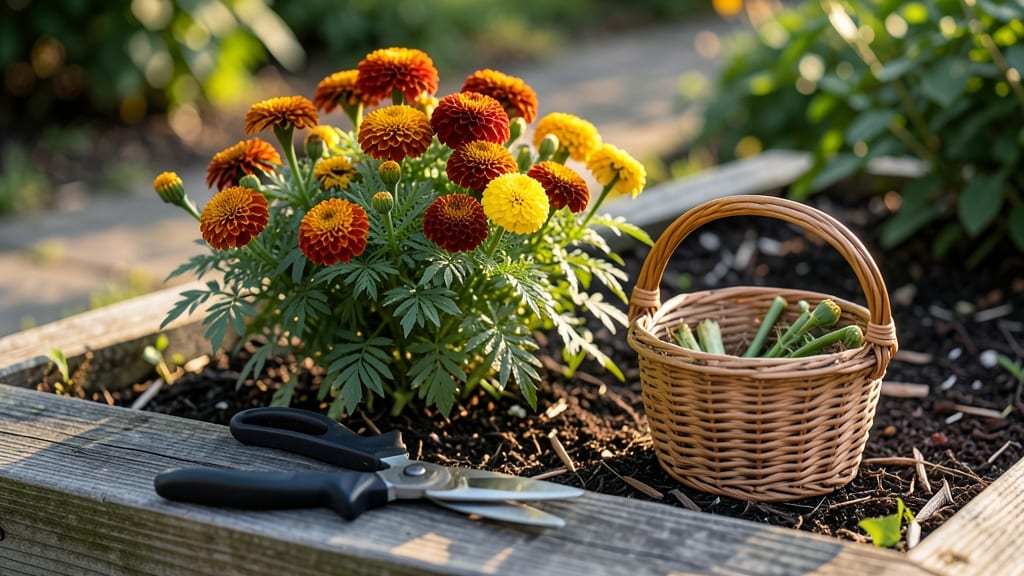
Marigolds bloom in season from late spring through fall 🌼, with the exact timing depending on where you live and when you plant them.
Wondering why your marigolds aren’t blooming when you expected them to? Timing everything perfectly—from planting to harvest—is the secret to vibrant, long-lasting marigold flowers that repel pests and brighten your garden all season long.
In cooler climates like USDA Zone 6a, marigolds typically start blooming in June after planting in early spring or late summer for a fall show. Warmer regions can enjoy blooms as early as May or even stretch them into October with the right care.
Below, I’ll break down the best planting months for your zone, how to extend the season, and what to expect from seed to bloom—so you can enjoy those cheerful orange and yellow flowers for months.
Marigold season by USDA climate Zone: exact planting & blooming months
Marigolds are one of the most versatile flowers in any garden, thriving from USDA Zone 3 to Zone 11 with the right timing. The key to vibrant blooms lies in understanding your local frost dates and selecting the right marigold varieties for your climate.
Whether you're in a cold northern zone or a warm southern region, knowing when to plant ensures your marigolds will bloom reliably from early summer to frost.
In cooler zones like Zones 3-5, marigolds are treated as annuals, planted after the last frost and harvested before the first frost. Meanwhile, in Zones 6-11, you can enjoy marigolds year-round with proper seasonal adjustments.
The secret to extending their season is choosing between French marigolds (earlier bloomers) and African marigolds (longer-lasting blooms), along with strategic planting timing.
For gardeners in Zones 3-5, starting marigold seeds indoors 6-8 weeks before the last frost gives them a head start. Transplant seedlings outdoors once soil temperatures reach 55°F (13°C) and all danger of frost has passed.
In Zones 6-7, you can direct-sow seeds 2-3 weeks after the last frost or even try a fall planting 8-10 weeks before the first frost for late-season color.
In warmer Zones 8-11, marigolds are nearly year-round performers. Plant French marigolds in early spring for summer blooms, then succession plant every 2-3 weeks to keep flowers appearing continuously.
For African marigolds, which are more heat-tolerant, sow seeds in late winter or early spring and enjoy blooms from late spring to frost.
One of my favorite tricks for extending the marigold season is fall planting. In Zones 6-10, sow seeds 8-10 weeks before the first frost for vibrant blooms that last until winter.
Choose dwarf varieties like 'Nana' for container gardening or 'Janie' for in-ground plantings. These varieties are cold-tolerant and will reward you with cheerful blooms even as temperatures drop.
If you're wondering why your marigolds aren't blooming on schedule, check your sunlight exposure. Marigolds need full sun (6+ hours daily) to produce their best blooms. In shadier climates, opt for French marigolds, which tolerate partial shade better than African varieties.
Also, avoid over-fertilizing with nitrogen, which promotes leafy growth at the expense of flowers.
For container gardeners, marigolds are ideal because they thrive in small spaces. Plant them in 5-inch pots with well-draining soil and enjoy blooms just 6-8 weeks after sowing.
In USDA Zone 11, where frost is rare, you can grow marigolds continuously by staggering plantings every 4-6 weeks. This ensures a non-stop display of color
How to extend marigold season: tips for earlier blooms & fall planting
Marigolds are the unsung heroes of the garden—they bloom when others fade, repel pests naturally, and add that cheerful golden-orange pop to beds. But why do some gardeners enjoy marigold blooms from May to October, while others struggle with just a few weeks of color?
The secret lies in strategic planting and a few simple tricks to push your marigolds beyond their usual season.
Most gardeners assume marigolds follow a strict spring-to-fall schedule, but with the right approach, you can coax blooms in unexpected months. Whether you're in a cool northern climate or a hot southern region, these techniques will help you extend your marigold season by 2-3 months or more.
Let’s dive into the methods that work.
- 1
- 2
- 3
- 4
- 5
- 6
- 7
One of the biggest myths about marigolds is that they only bloom in summer. In reality, with the right variety and timing, you can enjoy their vibrant blooms as early as late April or as late as November in warmer zones.
For example, gardeners in Zone 7 or higher often plant African marigolds in late August and enjoy blooms until December.
If you’re in a cooler climate (Zones 3-5), focus on soil warming and early succession planting. Use clear plastic tunnels or cloche covers to protect seedlings from late frosts. In hotter regions (Zones 8-11), prioritize fall planting and shade cloth during peak summer heat to prevent bolting.
Don’t forget that marigolds thrive on consistent moisture but hate soggy soil. Water deeply once a week (more in extreme heat) and always in the morning to prevent fungal issues.
With these adjustments, your marigolds will outperform expectations and keep your garden bursting with color long after other flowers have faded. 🌼