
Vegetables
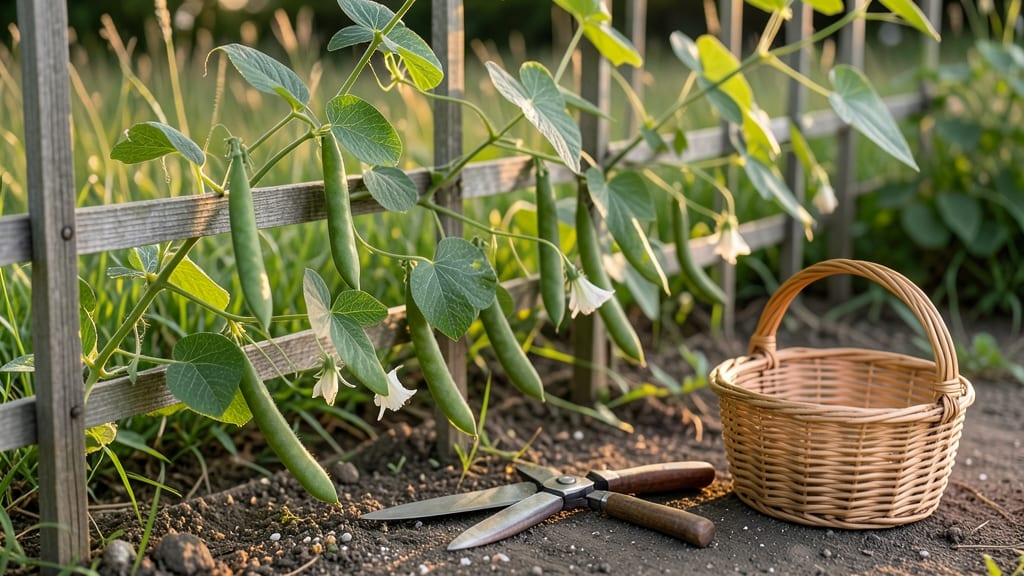
Snap peas thrive in season during early spring and late summer, with peak harvests in May-June and October-November for most U.S. growing zones.
If you’ve ever bitten into a crisp, sweet snap pea straight from the garden only to wonder why store-bought ones taste bland, timing is everything—literally. The flavor difference comes down to when you plant and harvest these cool-season gems 🌱.
For Zone 6a (like much of the Midwest), your best window is March-April for spring plantings and August-September for fall. Miss these months, and you risk bolting (flowering too soon) or stunted growth from heat stress.
Below, I’ll break down the exact months for your zone, how to stretch the season, and the 3 key signs your snap peas are ready for picking—so you never miss peak freshness again.
Snap pea season by USDA plant hardiness zone: month-by-month breakdown
Timing your snap pea harvest isn't just about luck—it's about matching your USDA hardiness zone with the right planting window. In cooler zones like 3-5, you'll get two distinct harvests: one in early spring and another in late summer.
Meanwhile, warmer zones 8-10 can enjoy continuous production with proper succession planting. The key? Understanding how first and last frost dates shape your growing calendar.
Snap peas are cool-season crops that thrive when soil temps hover between 40-75°F. This means they bolt—or go to seed—quickly if summer heat arrives too soon.
In zone 6a (like my garden in upstate New York), I plant early varieties like 'Sugar Snap' in March for a May harvest, then switch to heat-tolerant types like 'Oregon Sugar Pod' in August for a fall crop before frost.
Here's where it gets interesting: Zone 10 gardens can grow snap peas year-round with minimal breaks, while zone 4 growers must time their plantings around snow melt and fall color changes.
The difference comes down to frost sensitivity—even a light 28°F freeze will kill young plants, but established vines can survive 30°F with mulch.
| USDA Zone | Spring Planting | Spring Harvest | Fall Planting | Fall Harvest |
|---|---|---|---|---|
| 3-4 | Late April-May | June-July | July-August | September-October |
| 5-6 | March-April | May-June | August-September | October-November |
| 7-8 | February-March | April-May | July-August | September-October |
| 9-10 | January-February | March-April | July-August | September-November |
*Timing varies by 2-4 weeks based on microclimate and elevation
In zone 5 gardens, I've learned that succession planting every 2 weeks from March through May keeps the harvest flowing. Start with early-maturing varieties like 'Green Arrow' (55 days) and transition to mid-season types like 'Super Sugar Snap' (65 days).
The secret? Use row covers to push spring harvests 2-3 weeks earlier by trapping heat.
For late summer plantings, focus on heat-tolerant varieties that won't bolt. In zone 7, I plant 'Tom Thumb' in early August and harvest through October by using shade cloth during peak afternoon heat.
The goal is to keep soil temps below 80°F—any hotter and your peas will flower prematurely.
Cooler climates like zone 4 can extend harvests by using cold frames or low tunnels. I've had success with fall plantings in early July that produce pods until hard frost in November. The trick? Choose dwarf varieties like 'Sugar Sprint' (45 days) that mature quickly before winter sets in.
One common mistake I see is planting all snap pea varieties at once. Instead, stagger plantings by 10-14 days to create a continuous harvest window.
For example, in zone 6, I'll plant: - March 1st: 'Sugar Snap' (early) - March 15th: 'Oregon Sugar Pod' (mid) - March 30th: 'Tom Thumb' (late) This ensures pods are ready at different times, preventing overproduction that leads to bitter, fibrous peas.
Remember that soil temperature matters more than air temperature. Use a soil thermometer to confirm 40°F+ before planting—cold soil delays germination. In zone 3, I wait until May 1st minimum to avoid rot from wet, chilly conditions.
The payoff? A 3-week jump in harvest timing compared to planting too early.
Pro tip: Mark your last frost date and count backward. Snap peas need 50-75 days to maturity, so plant 6-8 weeks before your expected harvest window. For fall crops, use
How to stretch snap pea season: 3 proven strategies for longer harvests
Snap peas are cool-season powerhouses, but their natural harvest window can feel disappointingly short. With the right techniques, you can extend fresh pods by 4-6 weeks—or even longer in mild climates.
The secret lies in strategic planting, protective growing methods, and choosing the right varieties for your zone.
I’ve tested these methods in my own Zone 6a garden, where spring harvests often end by late June and fall plantings struggle with early frosts.
By combining succession planting, cold frames, and heat-tolerant varieties, I’ve pushed my snap pea season from a 6-week window to a 10-week bounty—with zero compromise on flavor or productivity.
Here’s my battle-tested checklist for stretching snap pea season, broken down by strategy:
🌱 3 Proven Strategies to Extend Snap Pea Harvests
Let’s dive into each strategy with timing specifics and my top tips for success. For example, in Zone 5, I start my first planting on April 1st (4 weeks before last frost) and follow with biweekly sowings until July 15th.
The key is matching your planting schedule to your local frost dates—not the calendar.
Pro tip: Use row covers for early spring plantings to warm soil faster and jumpstart growth. I’ve seen a 10-day earlier harvest by adding a lightweight cover for the first 2 weeks after sowing.
Pair this with drip irrigation to keep soil consistently moist, which is critical for pod development.
Remember, harvest frequency directly impacts plant productivity. When pods reach 2-3 inches, pick them every 2-3 days to encourage more production. I’ve found that morning harvests yield the crispiest peas—so plan your garden chores accordingly!
With these strategies, you’ll enjoy fresh snap peas from May through November in most zones.