
Vegetables
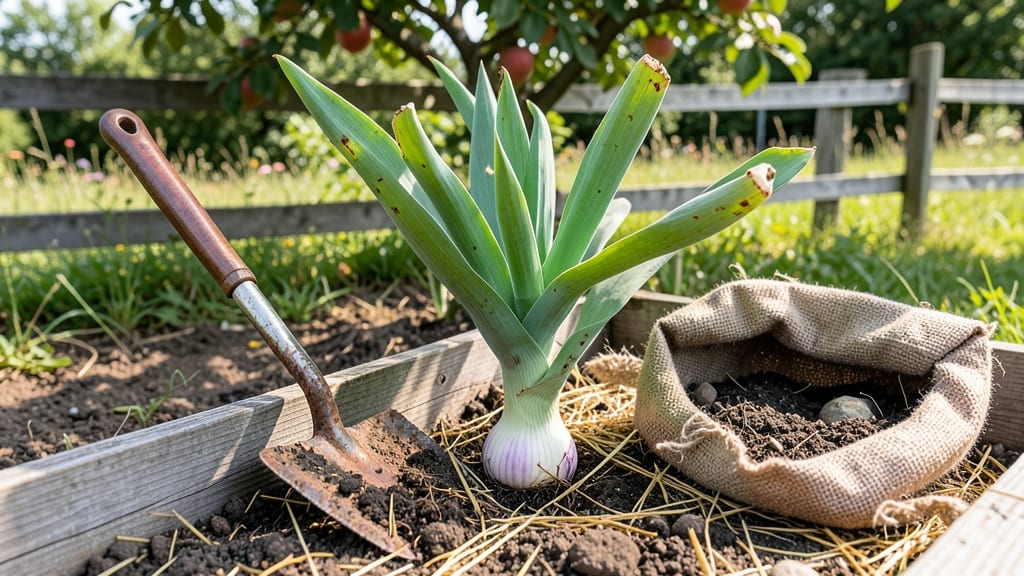
The sweetest time when are Vidalia onions in season is from late March through June, when the Southeast’s warm days and cool nights create their signature mild, buttery flavor. 🌱 I’ve tasted them at farmers’ markets in Georgia and Alabama, and there’s nothing like that first bite of a perfectly ripe onion—no sharpness, just pure sweetness.
The window is short, so timing your harvest (or grocery shopping) matters if you want that signature taste.
These onions thrive in the Southeastern U.S., where Georgia and Alabama are the heart of production. If you’re growing them yourself, plant sets in early spring (February-March) for a summer harvest, or opt for fall planting (August-September) for a winter crop.
The key is avoiding frost—they need 60-70°F days and 50-60°F nights to develop their signature sweetness.
At peak season, the bulbs are firm but not hard, with papery skins that don’t peel easily (a sign of freshness). Store them in a cool, dark place (like a pantry) for up to 2 months, or freeze them for longer storage.
The flavor mellows over time, so enjoy them fresh when you can—there’s nothing like a Vidalia onion grilled or caramelized at the height of summer.
If you miss the fresh season, don’t worry—frozen or jarred Vidalia onions retain most of their sweetness, though nothing beats the real deal. For gardeners outside the Southeast, try growing Texas Sweet or Yellow Granex onions, which share the same mild profile.
The secret to great onions? Timing and a little patience.
📚 In This Guide
- What you need
- Instructions
- Tips and common mistakes
- Wrapping up and next steps
What you need
- ● Fresh Vidalia onions (in-season): Quantity: 1–5 lbs (adjust based on recipes or storage needs)
- ● Specification: Bright yellow, firm, and free of blemishes (peak season = peak sweetness!)
- ● Storage supplies (if prepping ahead): Paper bags or mesh produce bags (2–4 bags, breathable to prevent spoilage)
- ● Cool, dark pantry or refrigerator (40–50°F ideal for longevity)
- ● Prep tools (for cooking or preserving): Sharp chef’s knife (8-inch for clean slicing)
- ● Cutting board (wood or plastic, food-safe)
- ● Colander (for rinsing, if needed)
- ● Food processor (for quick chopping if making onion powder or relish)
- ● Vacuum sealer (for long-term storage of sliced onions)
- ● Recipe inspiration! Check out sweet Vidalia onion dishes to maximize their flavor.
Understanding Vidalia onion seasonality by region
Sweet, golden Vidalia onions arrive at their peak with careful timing—here’s how to catch them fresh.
🌱 Step 1: Identify Your Region’s Vidalia Onion Window
Vidalia onions thrive in the southeastern U.S., where warm winters and long growing seasons create ideal conditions. In Georgia (their birthplace), the primary harvest runs from late April through June, with smaller crops extending into early July. If you’re outside this zone, look for later-season varieties in Florida (June–August) or South Carolina (May–July).
Here’s the key: Vidalia onions are day-length sensitive. They need 10–12 hours of daylight to develop their signature sweetness. That’s why Georgia’s mild spring weather—50–75°F—perfectly aligns with increasing daylight. If you’re in a cooler climate, expect a 4–6 week delay in harvest timing.
☀️ Step 2: Track Soil and Weather Cues for Peak Sweetness
Don’t rely solely on dates—watch for soil temperature to hit 60°F+ before planting. Vidalia onions grow best in well-drained, sandy loam (pH 6.0–7.0), which warms quickly in spring. Plant sets (young onions) in early March for a summer harvest, or late August for a winter crop (though sweetness peaks in spring).
Sweetness builds as onions mature, but over-maturity turns them pungent. Harvest when tops yellow and flop over—this usually happens 90–120 days after planting. In Georgia, that’s mid-April sets for a June–July harvest. If your region runs cooler, extend the timeline by 2–3 weeks.
🔍 Step 3: Verify Sweetness Before Storing or Cooking
Never assume onions are sweet just because they’re Vidalia-branded. The golden color is a clue, but true sweetness comes from low sulfur content—a trait that fades after harvest. Test freshness by slicing one open: crisp, papery layers and a mild, almost caramel-like taste confirm peak quality.
Store Vidalia onions in a cool (40–50°F), dry place with good airflow. They’ll keep for 4–6 weeks at best—after that, sweetness diminishes. For long-term storage, braise or pickle them within 2 weeks of harvest to lock in flavor. If you miss the window, frozen Vidalia onions retain some sweetness but lose texture.
⏰ Step 4: Plan Around Retail vs. Farm-Fresh Availability
Supermarkets stock Vidalia onions March through August, but April–June is when they’re at their sweetest. Farmers’ markets often have earlier access—late March–April—since local growers harvest first. Call nearby farms in February to confirm their planting schedule; some even offer pre-order options for guaranteed freshness.
Pro tip: If you can’t find them fresh, frozen Vidalia onions (blanched and packaged within 48 hours of harvest) are the next best option. Look for labels specifying "sweet" or "low-sulfur"—these hold more flavor than generic frozen onions. Avoid canned varieties; heat processing destroys their delicate sweetness.
Tips & tricks for perfect Vidalia onion harvest timing
Timing is everything when it comes to capturing Vidalia onions at their peak—here's how to maximize your chances of finding the sweetest, most flavorful harvest.
Daylight Sensitivity: The 10–12 hours of daylight mentioned in Step 1 is absolutely critical. These onions need that specific light exposure to develop their signature sweetness. If you're planting outside Georgia's climate zone, consider using row covers to extend daylight hours during cooler months. This can help compensate for shorter natural daylight periods and potentially bring your harvest forward by up to 2 weeks.
Soil Temperature Matters: That 60°F soil temperature threshold isn't just a suggestion—it's the absolute minimum for proper growth. I've seen gardeners rush planting in cooler conditions only to end up with bitter, underdeveloped onions. Use a soil thermometer to verify temperature before planting, especially if you're in a northern region. The sandy loam soil requirement is equally important—it warms quickly and drains well, which is essential for these onions.
Harvest Visual Cues: The yellowing tops and flopping over described in Step 2 are your clearest indicators, but there's one more trick: gently squeeze the bulb. It should feel firm but yield slightly—like a ripe avocado. If it feels rock-hard, it's overripe; if it's too soft, it hasn't matured enough. This simple test helps you nail that perfect 90–120 day window without guessing.
Storage Wisdom: That 4–6 week storage window is deceptive—sweetness actually starts declining after just 2 weeks in storage. For maximum flavor retention, consider freezing or pickling within 7 days of harvest. The 40–50°F storage temperature is ideal, but if your kitchen runs warmer, store them in the crisper drawer of your refrigerator to slow sweetness loss. A paper bag with air holes works better than plastic for maintaining that crisp texture.
Pro Tips for When Are Vidalia Onions In Season
- Timing is everything when it comes to capturing Vidalia onions at their peak—here's how to maximize your chances of finding the sweetest, most flavorful harvest.
- Daylight Sensitivity: The 10–12 hours of daylight mentioned in Step 1 is absolutely critical.
- Soil Temperature Matters: That 60°F soil temperature threshold isn't just a suggestion—it's the absolute minimum for proper growth.
Frequently asked questions
about Vidalia onions—because every chef and home cook deserves the scoop!When is the peak season for Vidalia onions?
Vidalia onions are at their sweetest and juiciest from April through June, with May being the prime month. This short window is when Georgia’s warm days and cool nights create their signature flavor. Stock up or plan your recipes around this time!
Are Vidalia onions in season year-round?
Nope! While you might find them in grocery stores year-round, fresh, in-season Vidalia onions are only available from late spring to early summer. Out-of-season onions are often stored or grown elsewhere, so their flavor and texture won’t match the real deal. Pro tip: Look for "Georgia Grown" labels for authenticity!
What should I do if Vidalia onions aren’t in season?
If you’re craving that sweet, mild flavor outside peak season, try these alternatives:
- Yellow onions (for cooking, though less sweet)
- Shallots (milder and versatile)
- Sweet onions like Texas 1015 or Walla Walla (similar taste profiles)
- Frozen Vidalia onions (check for no added preservatives)
How can I tell if Vidalia onions are truly in season?
Fresh, in-season Vidalia onions have a papery skin, crisp texture, and a mild, almost honey-like sweetness. Avoid onions that feel rubbery or have a strong odor—these are likely stored or out of season. Bonus: Farmers' markets in Georgia (like Athens or Savannah) are your best bet for the freshest picks!
Can I grow Vidalia onions at home?
While Vidalia onions are a registered variety (meaning you can’t save seeds legally), you can grow similar sweet onions like Texas Early White or 1015Y in your garden. Plant them in fall for spring harvest (their preferred climate) or early spring in cooler regions. Just expect a milder flavor than the Georgia-grown original!
Wrapping up and next steps
Now that you know Vidalia onions peak in late spring through early summer—especially from April to June—you’re ready to savor their sweetest flavors! Whether you’re grilling, roasting, or enjoying them raw, these onions are a seasonal treasure worth seeking out. 🌱
Ready to try them? Visit a local farmers' market or check with nearby farms to find the freshest Vidalia onions in season. Happy cooking—and enjoy that sweet, oniony goodness! 😊