
Orchid Care
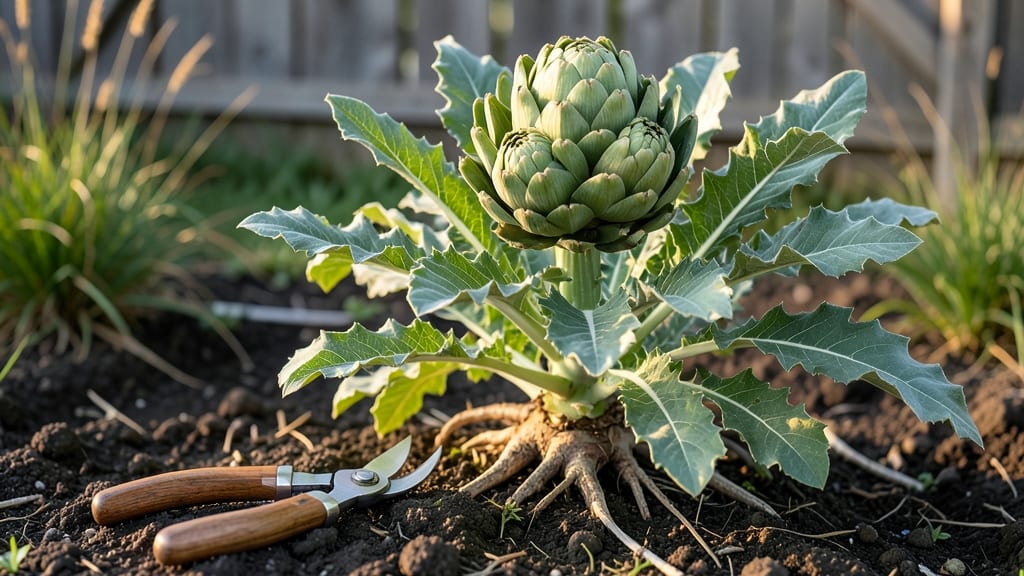
When do artichokes come into season like clockwork every year—late spring to early summer—but the exact timing depends on where you live. 🌱 I’ve grown them in both coastal California and the Midwest, and the difference in harvest windows is night and day.
While Southern California enjoys artichokes as early as March, gardeners in the Pacific Northwest might not see their first harvest until June or July. The key to timing is your last frost date: artichokes need warm soil and consistent temperatures above 50°F to thrive.
Planting from transplants (not seeds) gives you a head start—most nurseries sell young plants in early spring, and with proper care, they’ll reward you with edible buds in 80-120 days. Varieties like ‘Green Globe’ and ‘Imperial Star’ are reliable choices for beginners, maturing faster than heirloom types.
Once you spot those fuzzy, purple-tinged buds, act fast—they’re only edible for 2-3 weeks before they turn woody. The first harvest is always a thrill, especially when you’ve nurtured them from tiny seedlings.
Just don’t wait too long to harvest, or you’ll be left with artichoke-shaped doorstops instead of gourmet delights. For those in cooler climates, extend the season by choosing late-maturing varieties or using row covers to protect young plants. And if you miss the spring window?
Don’t worry—many grocery stores stock artichokes year-round, but nothing beats the flavor of homegrown, just-picked ones.
📚 In This Guide
- What you need
- Instructions
- Tips and common mistakes
- Wrapping up and next steps
What you need
- ● Fresh artichokes: Look for firm, compact heads with tightly closed leaves (no browning or wilted tips!). Aim for 2–4 medium-sized artichokes per person for a meal.
- ● Knife: A sharp chef’s knife (8-inch) for trimming and cutting.
- ● Cutting board: A sturdy, non-slip board to protect your countertop.
- ● Citrus (lemon/lime): 1–2 halves to prevent browning while prepping.
- ● Water: A bowl of cold water for soaking trimmed artichokes.
- ○ Oven or stovetop: For roasting or boiling (optional, if cooking immediately).
- ● Olive oil: 2–3 tbsp for drizzling before roasting.
- ● Garlic & herbs: Fresh rosemary, thyme, or minced garlic for flavor.
- ● Aluminum foil: For wrapping artichokes while roasting.
- ● Storage container: Airtight for keeping trimmed artichokes fresh (2–3 days in the fridge).
- ● Market or farm source: Local farmers' markets or organic grocers for peak-season quality (late spring to early summer).
Understanding the artichoke harvest window by region
Artichokes thrive in cool climates and follow a predictable seasonal rhythm—here's how to time your harvest perfectly.
🌱 Step 1: Identify Your USDA Hardiness Zone
Artichokes prefer USDA Zones 7-10, where they produce best in mild winters and warm springs. Check your zone first—this determines your 6-8 week harvest window after transplanting. In Zone 7, for example, you'll harvest in late spring to early summer, while Zone 9 extends the season into early fall.
Real talk: If you're in Zone 6 or colder, grow artichokes as annuals in containers and move them indoors before frost. The key is avoiding temperatures below 30°F, which damages tender buds. Use your local extension office's frost date calculator to pinpoint your exact window.
☀️ Step 2: Track Temperature and Daylight Cues
Artichokes need 50-60 days of consistent 60-75°F soil temperatures to form buds. Start watching for 14+ hours of daylight—this triggers flowering. In northern regions, this happens around late April to early May, while southern zones see it 4-6 weeks earlier.
Here's the thing—you'll notice buds forming when daytime highs hit 70°F consistently and nights stay above 50°F. These buds are your harvest signal. If temperatures spike above 90°F, buds may bolt (flower prematurely), so provide afternoon shade in hotter zones.
🌿 Step 3: Monitor Bud Development Stages
Harvest artichokes when buds are 3-5 inches wide and tightly closed—this is the "button" stage. The outer scales should still be tightly packed with no purple tint showing. In cooler regions, this happens 8-10 weeks after transplanting, while warmer climates may see harvests as early as 6 weeks.
Don't wait until buds start opening—once they bloom, the heart becomes tough and fibrous. You'll see the perfect harvest window when the base of the bud is firm to touch (like a closed fist) and the tip remains sharp. Cut stems at a 45-degree angle to prevent water from pooling on the cut surface.
⏰ Step 4: Plan for Regional Harvest Peaks
Northern California and Pacific Northwest states (Zones 7-9) peak in May-June, while Florida and the Deep South (Zones 9-10) can harvest into July-August. If you're in a transitional zone like Zone 8, you might get two harvests—early spring and again in fall after heat subsides.
I know it seems counterintuitive, but artichokes actually taste sweeter after light frost in fall. In colder zones, plant a second crop in late summer for a late-season harvest before first frost. Just remember: artichokes need 120-150 days total from seed to harvest, so adjust planting dates accordingly.
Tips & tricks for perfect artichoke harvest timing
Avoid common mistakes that can turn your artichoke harvest into a guessing game—these insights will help you nail the window every time.
Zone-Specific Planning: The 6-8 week harvest window after transplanting is your golden rule, but don't just count weeks—track actual growing conditions. In Zone 7, for example, you'll typically harvest in late spring when soil temperatures hit 60°F consistently for 50-60 days. Use your local agricultural extension service's frost date calculator to cross-reference with your zone's last frost date. This prevents overestimating your harvest window in cooler years.
Temperature Troubleshooting: Those 70°F daytime highs and 50°F nighttime lows are non-negotiable for bud formation. If you're in a transitional zone like Zone 8, monitor your local weather station closely—just one week of 90°F+ temperatures can trigger bolting (premature flowering). I've seen entire crops ruined by heat spikes in May, so have shade cloth ready if your forecast predicts sudden warmth. A simple row cover can make all the difference.
Development Stage Visual Cues: The "button" stage (3-5 inches wide) is your target, but don't rely solely on size—check the base for firmness like a closed fist. Purple tint at the tips means it's past prime. In warmer climates, you might harvest as early as 6 weeks, but cooler regions need the full 8-10 weeks. Pro tip: Cut stems at a 45-degree angle—this prevents water pooling that can rot the base during storage.
Regional Adjustments: Northern California's May-June peak differs dramatically from Florida's July-August window. If you're in a transitional zone, plan for two harvests: early spring and again in fall after heat subsides. The fall harvest actually develops sweeter flavors due to light frost—just make sure to plant your second crop by late summer to allow the full 120-150 day growth cycle before first frost.
Pro Tips for When Do Artichokes Come Into Season
- Avoid common mistakes that can turn your artichoke harvest into a guessing game—these insights will help you nail the window every time.
- Zone-Specific Planning: The 6-8 week harvest window after transplanting is your golden rule, but don't just count weeks—track actual growing conditions.
- Temperature Troubleshooting: Those 70°F daytime highs and 50°F nighttime lows are non-negotiable for bud formation.
Frequently asked questions
When is the best time to buy fresh artichokes?
The peak season for fresh artichokes is late spring to early summer (May–July in most U.S. regions), when they’re crispest and most flavorful. Outside this window, opt for frozen or canned artichokes—just avoid pre-marinated ones if you want to control seasoning. Local farmers' markets often have the freshest picks!
How long do artichokes stay in season?
Artichoke season typically lasts 6–8 weeks in most regions, with the harvest tapering off by late July or early August. In warmer climates (like California), you might find them slightly later into fall. Check your local USDA Plant Hardiness Zone for precise timing.
Can I substitute frozen or canned artichokes if fresh ones aren’t in season?
Frozen artichokes retain most of their nutrients and work well in dips, pasta, or grilling. Canned artichokes (packed in water or brine) are convenient but may be softer. For best texture, thaw frozen artichokes overnight in the fridge before cooking.
Why do store-bought artichokes sometimes taste bitter?
Bitterness often means the artichoke was harvested too late or stored improperly. Look for tightly closed buds with purple or green leaves—avoid wilted or overly woody ones. If bitter, soak in cold water for 30 minutes before cooking to mellow the flavor.
Do artichokes grow year-round in any region?
No—artichokes are cool-season crops and thrive in mild climates. However, California’s Mediterranean climate allows for year-round production, with smaller harvests in winter. Most other regions rely on spring/early summer for peak yields.
Wrapping up and next steps
Artichokes are a spring and early summer treasure, with peak season varying by region—think March to June in California, April to July in the Northeast, and May to August in the South.
Knowing when to pick them fresh ensures the best flavor, texture, and nutritional benefits, from fiber-rich leaves to heart-healthy antioxidants. 🌱
Now that you’re in the know, embrace the season! Visit local farmers' markets, try growing your own, or experiment with artichoke recipes—whether grilled, roasted, or in a creamy dip. Happy harvesting! 🛒🍽️