
Picking
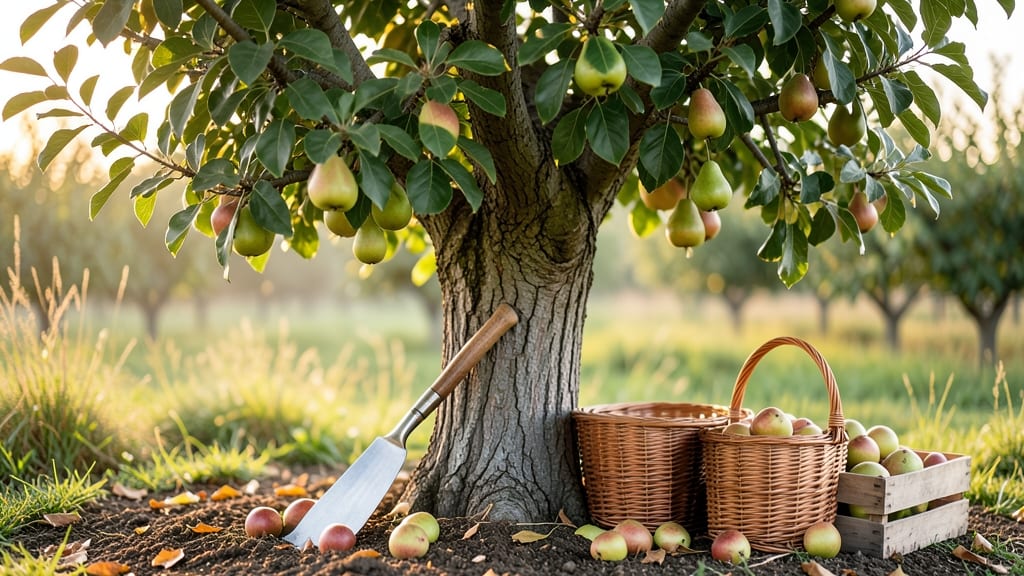
Pears come in season between late summer and early fall 🍐, with the exact timing depending on your region and the variety you’re growing or shopping for.
Wondering when to pick the juiciest pears straight from the tree—or when to expect them at your local farmers' market? Timing matters more than you think, especially since pear varieties ripen at different times depending on where you live.
In most temperate climates, August through October is peak pear season, but Asian pears often arrive earlier, while European varieties like Bosc and Anjou tend to linger into fall.
If you’re in USDA Zone 6a, you’ll likely see your first harvest in early September, with later varieties ripening well into October.
Below, I’ll break down how to spot the perfect pear at the store or on the tree, plus tips for storing them to enjoy their sweetness long after the season ends.
Pear season by variety: ripening times for common cultivars
Knowing when your favorite pears hit peak ripeness can transform your fruit bowl from ordinary to extraordinary. Different pear varieties mature at distinct times, so timing your harvest—or grocery shopping trip—is key.
Whether you're growing Bartlett pears in your backyard or scouting farmers' markets, understanding these ripening windows ensures you always enjoy the sweetest, juiciest pears.
Early-season varieties kick off the harvest, while late-season pears stretch the season well into fall. For home gardeners, this means planning your planting schedule around these ripening times. Meanwhile, grocery shoppers can strategize their visits to catch the freshest farm-fresh pears at their peak.
Let's dive into the specifics of when each popular variety reaches its prime.
The Bartlett pear is the classic early-season variety, often called the "butter pear" for its tender, melt-in-your-mouth texture. These pears ripen on the tree, so they're perfect for home gardeners who want to enjoy fresh fruit straight from the branch.
Their late July to early August window means they're usually the first to appear at farmers' markets, giving you a head start on pear season.
If you prefer pears with a bit more structure, the Anjou pear is an excellent mid-season choice. This variety ripens from mid-August to early September and holds its shape beautifully, making it ideal for both eating fresh and adding to salads.
Look for a slight red blush on the skin—this is your cue that they're ready to pick.
For those who love a heartier, more robust pear, the Bosc variety delivers with its crisp, spicy flavor. These late-season pears ripen from late September to October, stretching your pear enjoyment well into fall.
Their russeted skin and elongated shape make them easy to spot at grocery stores and farmers' markets during this time.
Asian pears, often called "apple pears" due to their crisp texture, bridge the mid and late seasons. They ripen from late August to mid-October, offering a unique eating experience with their creamy, apple-like bite.
These pears are less common in home gardens but are a staple in grocery stores during their seasonal window.
Understanding these ripening times helps you plan your garden layout or schedule your market visits for maximum enjoyment. For example, planting a mix of early, mid, and late varieties ensures you have fresh pears from July through October.
If you're shopping, timing your trips to coincide with each variety's peak season guarantees the freshest, most flavorful fruit.
Pro tip: Store pears at room temperature until they're fully ripe, then move them to the fridge to slow down the ripening process. This way, you can enjoy your peak-season pears over an extended period without worrying about overripe fruit.
Whether you're growing pears in your backyard or simply love visiting your local farmers' market, knowing these ripening times ensures you'll always have the best pears at the perfect moment. Happy harvesting! 🍐🌿
Regional harvest timelines: when pears are freshest in your area
If you're planning your pear harvest calendar, timing varies dramatically by U.S. growing zone and global region. In the Pacific Northwest, for example, pears often ripen earlier than in the Southeast due to cooler climates.
Understanding these patterns helps you time your purchases or harvest homegrown fruit for peak flavor and freshness.
For home gardeners, knowing your local pear season ensures you don’t miss out on ripe, sweet pears or waste money on off-season imports.
Whether you're in Zone 5 or Zone 9, this guide breaks down when to expect farmers' market pears and how to extend their shelf life beyond harvest.
🌱 Comparison Table: U.S. Regional Pear Harvest Seasons
| Region | Primary Varieties | Peak Season | Storage Tips |
|---|---|---|---|
| Pacific Northwest | Bartlett, Anjou | Late July - Early September | Cold storage (32°F) for 4-6 weeks |
| Midwest | Bosc, Seckel | Mid-August - October | Wrap in paper, refrigerate |
| Northeast | Anjou, Asian pears | Late August - November | Freeze ripe pears for winter |
| Southeast | Bartlett, Moore | September - November | Room temp for 1-2 weeks |
| Global (Europe/Asia) | Conference, Nashi | June - December | Vacuum-seal for long-term |
In the Pacific Northwest, where Bartlett pears dominate, expect harvests as early as late July—perfect for fresh eating or canning. Meanwhile, the Southeast enjoys a longer season, with Moore pears ripening into November, thanks to warmer winters.
For Asian pears, popular in the Northeast, harvest extends into winter if stored properly.
To extend pear freshness beyond their peak season, try these tricks: Refrigerate unripe pears to slow ripening, or freeze sliced pears for smoothies. For long-term storage, wrap pears in paper towels and keep them in the crisper drawer.
Some varieties, like Bosc, even improve in flavor when stored for weeks!
If you're in a warmer climate (like Zone 9-10), you might find year-round pear availability at specialty stores, but homegrown pears will always taste fresher. Plan your pear tree planting now—most varieties take 3-5 years to bear fruit, so timing is everything for a reliable harvest.
Pro tip: Check your local farmers' market for harvest updates—many vendors share real-time ripening schedules based on weather. And if you're growing pears at home, mark your calendar for late summer—that’s when the sweetest pears hit their peak!