
Blooming
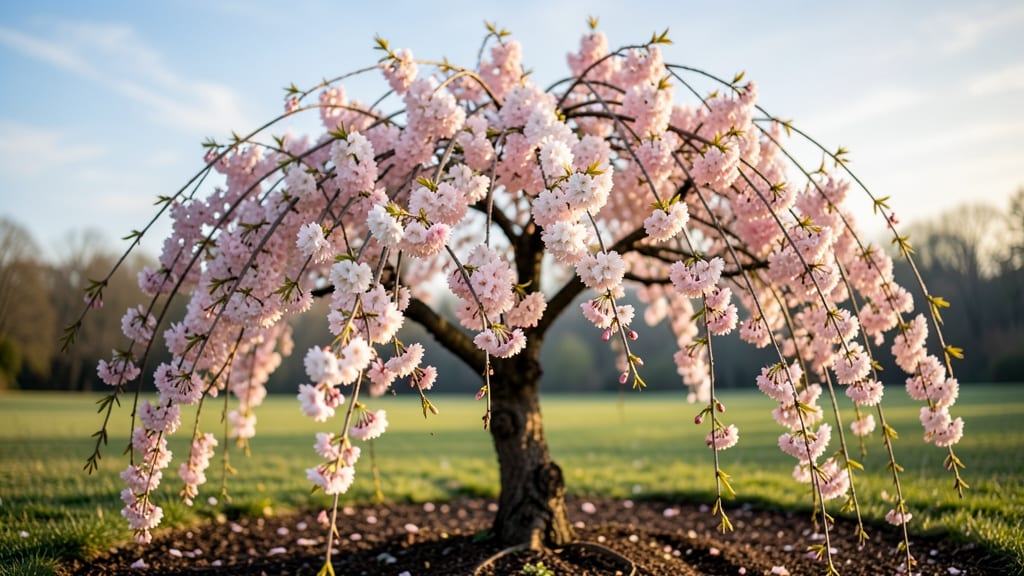
Cherry blossom season peaks in late March to early May, with timing that shifts dramatically by region—Washington, D.C.'s famous trees typically bloom around mid-April, while Southern states like Georgia may see flowers as early as February, and Northern areas like New York usually experience peak blooms in late April to early May. Different varieties, including Yoshino and Kwanzan, also affect when you'll see the best displays.
Timing depends on a mix of climate, tree variety, and even last year's weather patterns. 🌸 The National Park Service tracks bloom forecasts based on temperature data, since cherry trees need a specific number of cold hours (called "chill hours") before they'll bloom.
For example, Yoshino cherries—common in D.C.—usually need around 800-1,000 chill hours, while Kwanzan varieties might require slightly more. Warmer winters can delay blooms, while early springs often bring them sooner.
If you're planning a trip, I recommend checking local forecasts a few weeks before your visit, as bloom dates can shift by 1-2 weeks from year to year. Some cities, like Tokyo, even host festivals timed to peak blossoms, making it a cultural highlight.
The good news? Most regions offer at least a 1-2 week window of full bloom, giving you flexibility to enjoy the spectacle.
💡 In This Article
- Factors That Determine Cherry Blossom Bloom Times
- Best Regions and Cities for Cherry Blossom Viewing
Factors that determine cherry blossom bloom times
The precise timing of cherry blossoms hinges on a delicate balance of environmental cues, primarily chill hours and warmth triggers. Most cherry trees require between 800-1,200 chill hours—defined as temperatures between 32-45°F—to break dormancy.
Yoshino cherries, the most common variety in D.C., typically need around 1,000 chill hours, while Kwanzan varieties might demand slightly more. This explains why Southern regions like Atlanta often see blooms in February, as their winters provide sufficient cold exposure earlier than Northern states.
Once the chill requirement is met, blossoms respond to consistent daytime temperatures above 50°F. The National Park Service monitors these thresholds using weather stations, as even a 10°F fluctuation can shift bloom dates by 1-2 weeks.
Climate change complicates this further—warmer winters reduce chill hours, delaying blooms, while earlier springs can advance them. For example, D.C.'s average bloom date has shifted 3-5 days earlier per decade since the 1970s due to rising temperatures.
Tree variety also plays a critical role. Yoshino cherries bloom first, followed by Kwanzan (noted for double flowers), then Weeping varieties like Prunus subhirtella. This staggered blooming creates a 2-3 week window of peak visual impact in most regions.
The science behind this involves florigen hormones, which signal buds to open once environmental conditions align—similar to how daylength triggers flowering in other plants.
Local microclimates add another layer of complexity. Urban areas like D.C. experience the "heat island effect," where pavement and buildings trap warmth, often causing blossoms to appear 2-3 days earlier than rural areas just 10 miles away.
This urban-rural disparity is why forecasts rely on multiple weather stations rather than single data points. 🌸
Historical weather patterns further refine predictions. The National Oceanic and Atmospheric Administration (NOAA) cross-references current chill hours with long-term averages to adjust forecasts.
For instance, a mild winter in 2023 delayed D.C.'s blooms by 5 days compared to the 10-year average, while a cold snap in 2021 advanced them by 7 days. These variations highlight why real-time tracking—via apps like the NPS's "Blossom Watch"—is essential for planning visits.
What most people overlook is how soil moisture and pollination conditions also influence longevity. Well-watered trees with ample pollinators (like bees) produce more vibrant blossoms that last 7-10 days, while drought-stressed trees may bloom 20-30% shorter**.
This explains why some years, like 2012, saw D.C.'s blossoms fade in just 5 days due to early spring dryness.
For enthusiasts, understanding these factors transforms cherry blossom viewing from luck to science. Tracking chill hours via local weather services or apps like AccuWeather's Blooming Forecast can help you pinpoint the 5-day peak window for any location—whether you're chasing petals in Philadelphia's Rittenhouse Square or Tokyo's Ueno Park. 💫