
Picking
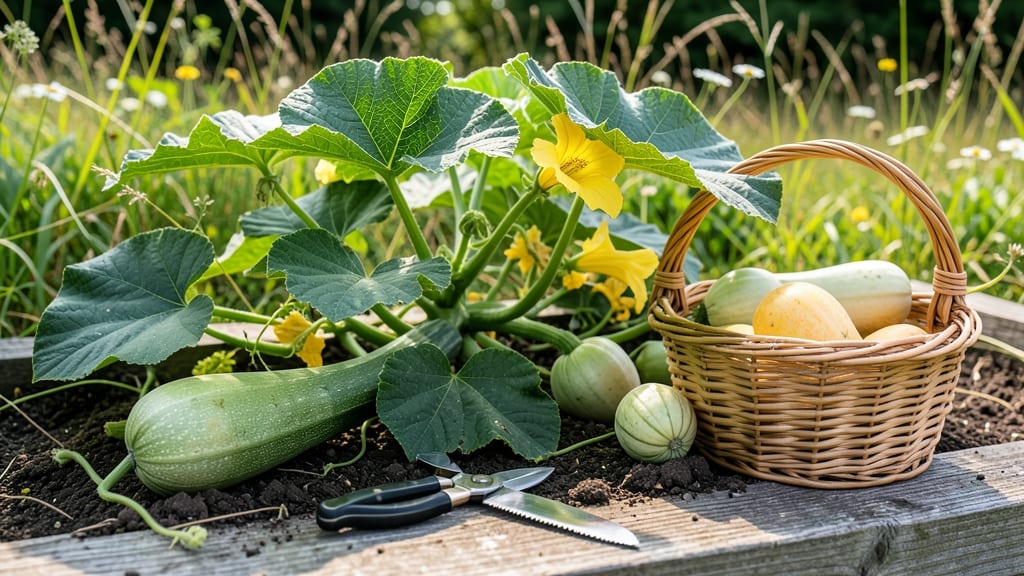
When is summer squash in season—typically June through August in most of the U.S.?—I learned this the hard way when my zucchini exploded in July, but now I time my plantings to match. the local heat.
The exact window shifts north to south: Southern gardeners start harvesting as early as May, while Northern growers wait until late July for reliable yields.
Your region’s last frost date sets the planting schedule, but summer squash loves heat—so wait until soil hits 60°F before sowing seeds. In cooler climates, opt for faster-maturing varieties like 'Eight Ball' or 'Straightneck' to beat early fall frosts.
The secret to crisp harvests? Pick squash when they’re 6-8 inches long—any bigger and they turn tough and seedy.
Peak season rewards you with tender, sweet squash perfect for grilling or sautéing. Store them in a cool, dark place for 3-5 days to keep them fresh, or freeze them whole for later.
With proper timing, you can extend the harvest into early fall—just keep an eye on those vines and harvest before the first frost.
For gardeners in warmer climates, fall plantings can produce a second crop, while Northern growers might try row covers to push the season later. The key is matching your planting to your region’s heat patterns—once you nail that, you’ll have fresh squash straight from the garden all summer long.
📚 In This Guide
- What you need
- Instructions
- Tips and common mistakes
- Wrapping up and next steps
What you need
- ● To make the most of summer squash season—whether you're foraging, shopping, or growing your own—here’s what you’ll need to gather, prep, or cultivate these vibrant veggies! 🥒🌱
When to harvest summer squash for peak flavor and texture
Here's how to time your summer squash harvest for crisp, tender fruits every season—no guesswork involved.
☀️ Step 1: Identify Your Growing Region's Peak Season
Summer squash thrives in warm weather, but exact timing varies by region. In the southern U.S. (Zones 8-11), harvest begins as early as late April and continues through October, with peak production in June-August. If you're in the midwest (Zones 5-7), expect harvests from late June through September, while northern regions (Zones 3-4) see their best yields from July to early September.
Check your last frost date—squash needs soil temperatures above 60°F to germinate and grow. Plant seeds 2-3 weeks after frost in warm soil for reliable harvests. I always test soil temperature with a probe—if it's below 60°F, wait a few more days, even if the calendar says spring.
🌱 Step 2: Watch for Visual Harvest Cues
The key to tender summer squash is harvesting when fruits are small and immature. Look for smooth, glossy skin and firm texture—these indicate peak flavor. Yellow varieties like 'Golden Zucchini' should be 6-8 inches long, while green types like 'Black Beauty' are ready at 4-6 inches. You'll also notice the stem end remains slightly hard, while the blossom end stays tender.
Don't wait for squash to overgrow—once they reach 10+ inches, they become tough and seedy. I check plants every 2-3 days during peak season (June-August) and harvest in the morning when moisture levels are highest. Use a sharp knife or pruners to cut stems—never twist, as this damages the plant.
⏰ Step 3: Time Harvests for Continuous Production
Summer squash plants produce new flowers daily, meaning a steady harvest keeps them productive. After picking, inspect the plant—if you see new blossoms forming, it's time to harvest again in 3-5 days. Overripe squash left on the vine slows new growth and attracts pests like squash bugs.
During peak season (July-August), I harvest 2-3 times weekly to maintain plant health. In cooler months (early June or September), reduce frequency to once every 5-7 days. Store harvested squash in the fridge for 3-5 days or use immediately—overripe squash turns mealy and loses flavor quickly.
🌿 Step 4: Extend the Season with Smart Planning
To enjoy summer squash beyond its natural season, succession plant every 2 weeks from late May through July. This staggered approach ensures a continuous harvest through early fall. In warmer climates, a second planting in August can yield squash into October, while row covers protect plants from early frosts in cooler areas.
If your season feels short, choose fast-maturing varieties (like 'Eight Ball' or 'Patio Star') that mature in 45-50 days. I've grown these successfully in Zone 5 gardens with just a lightweight row cover to extend the harvest window by 2-3 weeks. Always monitor weather forecasts—even a light frost ruins tender squash, so have a plan to harvest or protect plants before temperatures drop below 35°F.
Tips & tricks for perfect summer squash harvest timing
Took me a while to figure these out, so here goes—these tricks will help you nail your summer squash harvest every season without the guesswork.
Regional Timing Secret: The 60°F soil temperature rule is non-negotiable for summer squash. I've planted seeds too early in cooler zones, and they just wouldn't germinate. Use a soil thermometer—it's the only reliable way to know when to plant. In Zone 5, I wait until mid-May even if the calendar says spring, because early planting leads to stunted plants that never produce well.
Visual Cue Technique: The "smooth, glossy skin" test in Step 2 is your best friend. I learned this the hard way after harvesting overripe squash that was tough and seedy. For yellow varieties, aim for 6-8 inches—any longer and they lose their delicate texture. The stem end should feel firm while the blossom end stays tender; this balance is what makes summer squash so versatile in cooking.
Harvest Frequency Strategy: During peak season (July-August), I harvest 2-3 times weekly because that's when plants produce most aggressively. The key is to pick in the morning when moisture levels are highest—this prevents the squash from becoming rubbery. After picking, I always check for new blossoms forming; if I see them, I know it's time to harvest again in 3-5 days. This keeps the plant productive all season.
Pro Tips for When Is Summer Squash In Season
- Took me a while to figure these out, so here goes—these tricks will help you nail your summer squash harvest every season without the guesswork.
- Regional Timing Secret: The 60°F soil temperature rule is non-negotiable for summer squash.
- Visual Cue Technique: The "smooth, glossy skin" test in Step 2 is your best friend.
Frequently asked questions
What’s the best month to pick summer squash?
Summer squash like zucchini and yellow squash peak in late June through August in most U.S. regions. For cooler climates (Zones 3–5), aim for July–early September when soil warms. Check local harvest calendars—some farms extend seasons with greenhouses!
Can I find summer squash year-round, or should I wait?
You’ll find summer squash in stores year-round, but peak season (June–August) offers the freshest, crispest, and most flavorful varieties. Out-of-season squash often tastes bland or mealy. For the best texture, harvest or buy during summer!
What can I substitute if summer squash isn’t in season?
Need a swap? Try zucchini’s cousins like yellow squash, pattypan, or even cucumber or eggplant in a pinch. For texture, green beans or asparagus work in stir-fries. Just adjust cooking times—summer squash cooks faster!
Why does my summer squash taste bitter or watery?
Bitter flavor often means the squash is overripe or stressed (too hot/cold). Watery texture? It might be underripe or stored improperly. Pick firm, medium-sized squash (6–8 inches) with shiny skin. Store in a cool, dry place—not the fridge!
Does summer squash season vary by region?
In the South (Zones 7–10), squash thrives from May–October. In the North (Zones 1–4), expect July–September. Mountainous areas may have shorter seasons. Check USDA Plant Hardiness Zone Maps for your area!
Wrapping up and next steps
Summer squash shines brightest between June and August, with peak harvests varying by region—so mark your calendar and get ready to savor its fresh, crisp goodness! Whether you're a home gardener or a market shopper, timing is everything for the best flavor and texture.
Now that you know when summer squash is in season, why not plan a meal or recipe to celebrate? 🌱
Grab your basket, visit your local farmers' market, or start growing your own—your taste buds will thank you! Happy harvesting!