
Planting
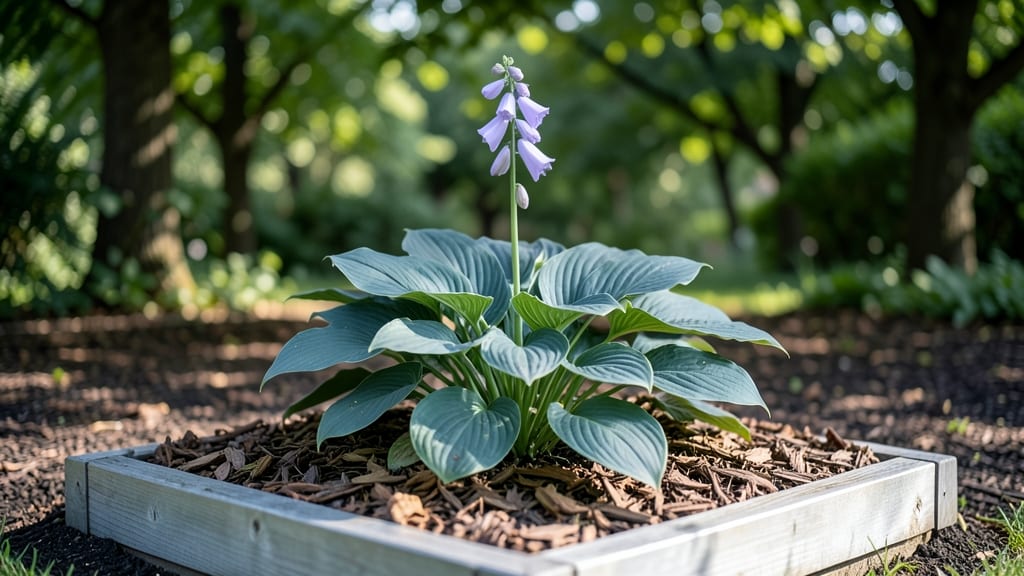
Zone 4b gardening succeeds with frost-resistant perennials like coneflowers and hostas, while biennials such as foxgloves and hollyhocks make the most of the region's brief growing window. Protect plant roots with layered mulch in autumn, and start cool-season crops like kale and spinach early to maximize harvests before the first freeze.
Zone 4b's short but intense growing season (typically May through September) demands smart plant selection. 🌱 The key is choosing species that tolerate 20-30°F temperatures—perennials like Russian sage return year after year, while biennials store energy underground for their second-year blooms.
What sets this zone apart is its microclimate variability: slopes warm faster than valleys, and south-facing beds get extra sunlight. I've found that combining mulch thickness (4-6 inches) with row covers can push harvests by 2-3 weeks, especially for leafy greens.
Timing is everything here. Spring planting should wait until soil temperatures hit 50°F, while fall crops need 6-8 weeks before first frost to mature. My go-to trick? Marking frost dates on a calendar and counting backward from each crop's maturity time—this prevents overplanting or underutilizing the season.
For example, spinach planted in early August often survives until October, while zucchini planted after Memorial Day gets a full harvest before September's chill.
💡 In This Article
- Understanding Zone 4b Climate and Plant Hardiness
- Seasonal Zone 4b Planting and Maintenance Calendar
Understanding Zone 4b climate and plant hardiness
Zone 4b's climate is defined by its average annual minimum temperature of -25°F to -30°F, which shapes what grows successfully. The USDA hardiness zone system accounts for both cold tolerance and heat exposure—plants labeled "Zone 4" can survive these winter lows, but their growth slows dramatically below 50°F.
This is why perennials like coneflowers (Echinacea) thrive: their deep roots store energy through winter, allowing them to rebound quickly in spring. 🌿 In contrast, annuals like marigolds complete their entire lifecycle in one season, making them less reliable for long-term garden success.
The region's short growing season (120-150 frost-free days) creates urgency for timing. Soil temperatures below 40°F prevent seed germination, while nights above 70°F stress heat-sensitive crops. Microclimates—like south-facing slopes or urban heat islands—can add 1-2 weeks to the season.
I've seen Russian sage (Perovskia) survive winters with just 3 inches of mulch, while foxgloves (Digitalis) often self-seed prolifically in Zone 4b's mild summers.
Plant selection hinges on understanding these tradeoffs. Perennials like hostas (Hosta spp.) return year after year with minimal care, while biennials such as hollyhocks (Alcea rosea) store energy in their roots their first year to bloom spectacularly in their second.
The key difference? Perennials focus on root survival, while biennials prioritize above-ground growth during their first season. This explains why foxgloves often disappear after flowering—they've expended their energy.
Soil temperature plays a hidden but critical role. A soil thermometer placed 4 inches deep reveals when to plant: most cool-season crops need 45-55°F soil temps.
In my Zone 4b garden, I've found that kale planted in early May (when soil hits 50°F) produces sweeter leaves than later plantings, as the cooler weather prevents bolting.
The same logic applies to frost dates—knowing your last spring frost (May 10-20) and first fall frost (Sept 20-Oct 10) lets you calculate precise planting windows.
What most gardeners overlook is how mulch thickness affects root insulation. A 4-6 inch layer of straw or wood chips maintains soil temps 5-10°F warmer in winter and 5°F cooler in summer.
This explains why Russian sage survives winters with minimal protection while lavender (Zone 5) often struggles in Zone 4b without extra mulch. The insulation effect also extends the growing season by 2-3 weeks on either end.
For long-term success, combine plant hardiness with cultural practices. For example, coneflowers (Zone 3-9) thrive with well-draining soil, while foxgloves prefer partial shade. The USDA zone map provides a baseline, but local conditions—like wind exposure or afternoon sun—often demand adjustments.
In my experience, microclimate mapping (tracking temps in different garden areas) reveals opportunities to grow Zone 5 plants like peonies in sheltered spots.