
Planting
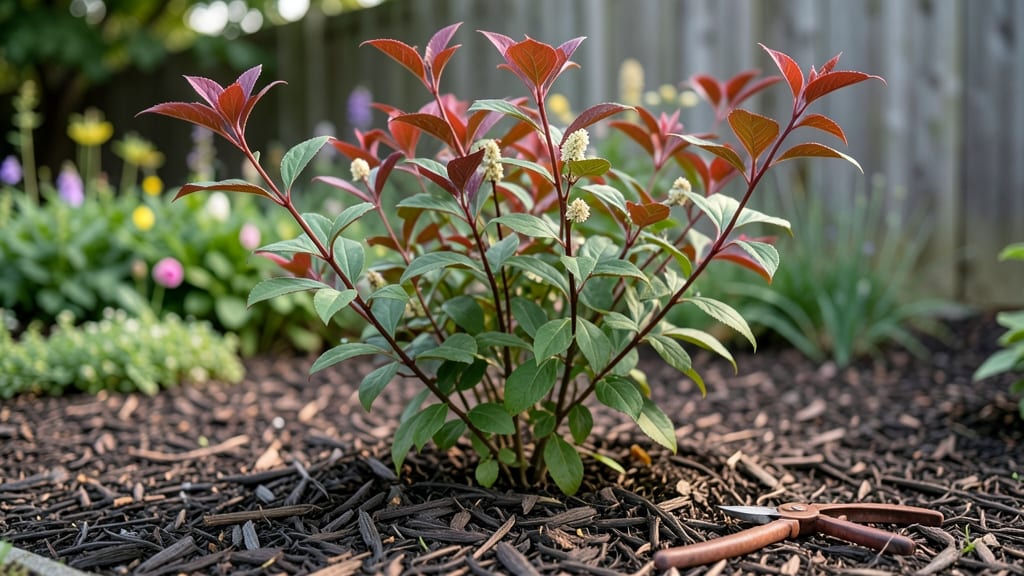
Zone 5b gardening succeeds with frost-tolerant plants like Russian sage, coneflowers, and winter wheatgrass, while using row covers and mulch to shield against late freezes and subzero temperatures. Native perennials and biennials are your best bet for thriving in this -15°F to -10°F climate range.
Gardening in Zone 5b's unpredictable climate—where winters can drop below -15°F—requires plants that can handle both extreme cold and sudden temperature swings. 🌱 The key is selecting varieties that naturally thrive in these conditions, like Russian sage or hardy kale, which store energy in their roots during dormancy.
I've found that adding 3-4 inches of mulch in late fall creates an insulating blanket that preserves soil warmth through winter, while floating row covers let you extend the growing season by protecting tender plants from late spring frosts.
What sets Zone 5b apart is the need for plants that balance cold resilience with adaptability to short growing seasons. Peonies and Russian olive are standout performers because they establish deep root systems early, giving them a survival advantage when temperatures plummet.
Pair these with companion planting—like pairing coneflowers with winter wheatgrass—to create microclimates that regulate soil temperature and moisture. The result? A garden that not only survives but thrives despite the challenges.
💡 In This Article
- Understanding Zone 5b Climate Challenges and Plant Adaptations
- Top Zone 5b Perennials and Cold-Resistant Annuals for Year-Round Success
Understanding Zone 5b climate challenges and plant adaptations
Zone 5b's climate is defined by its brutal winter lows—typically between -15°F and -10°F30°F+ fluctuations between day and night, forcing them to adapt with specialized survival mechanisms.
For example, Russian sage produces deep taproots that store carbohydrates during dormancy, while its silvery foliage reflects sunlight to prevent overheating in summer. This dual adaptation explains why it thrives where less hardy perennials fail.
The timing of frost dates adds another layer of complexity. In most Zone 5b regions, the last spring frost occurs around April 15-30, while the first autumn frost arrives by October 10-20.
This 120-150 day growing window demands plants that establish quickly—like peony roots, which can grow 3-4 inches per year—or those that bolt slowly, such as Swiss chard.
The soil's clay-heavy nature in many Zone 5b areas further complicates matters, as poor drainage can lead to root suffocation during freeze-thaw cycles.
Microclimates become your secret weapon in these conditions. A south-facing wall can create a 5-10°F warmer zone than the surrounding garden, allowing you to grow tender perennials like lavender that wouldn't survive in open ground.
Similarly, 3-4 inches of straw mulch applied in late fall insulates soil, maintaining temperatures 10°F warmer than unmulched beds. This insulation is critical for protecting crowns of hardy shrubs like Russian olive, whose vascular system can withstand -30°F when properly insulated.
Plant physiology plays a starring role in survival. Winter wheatgrass, for instance, enters a state of dormancy where its metabolic rate drops by 90%, conserving energy until temperatures rise. Meanwhile, coneflower roots produce natural antifreeze proteins that prevent ice crystal formation in their cells.
These adaptations explain why native perennials outperform introduced species—they've evolved alongside Zone 5b's climate patterns for millennia. 🌿
Soil preparation is equally critical. Amending clay soils with compost and sand improves drainage, while adding organic matter increases water retention during dry spells.
The ideal soil mix for Zone 5b should have 20-30% organic content and a pH between 6.0-7.0, creating an environment where roots can access nutrients even when the ground is frozen. This careful balance transforms marginal conditions into a thriving garden ecosystem.
What most gardeners overlook is how plant spacing affects cold tolerance. Crowding plants reduces air circulation, trapping moisture that freezes and damages foliage. Instead, space perennials 18-24 inches apart to allow airflow, while grouping plants with similar water needs creates microclimates that regulate temperature.
For example, pairing Russian sage (drought-tolerant) with columbine (moisture-loving) in the same bed demonstrates how complementary species can stabilize soil conditions.