
Planting
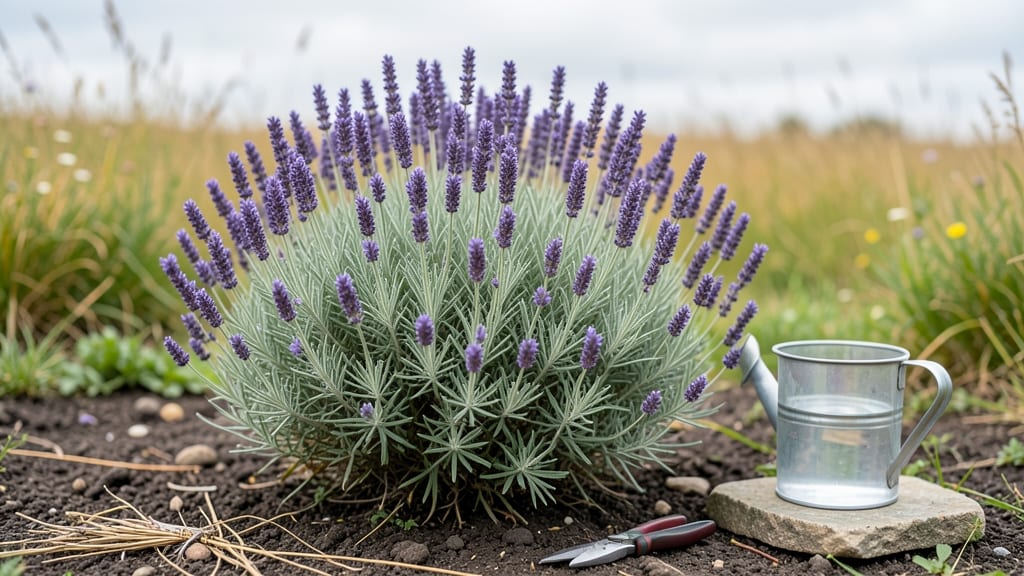
Zone 6 winters can be tough on lavender, but the right approach makes all the difference. 🌿 The key is choosing hardy varieties like Munstead or Grosso, which can withstand temperatures down to 15°F with proper care.
I’ve found that well-draining soil is non-negotiable—lavender hates soggy roots, and poor drainage leads to root rot during freeze-thaw cycles. Mulching with gravel or straw in late fall adds insulation, while pruning back dead growth in early spring keeps plants healthy for the next growing season.
Another critical factor is full sun exposure—lavender needs at least 6-8 hours of direct sunlight daily to thrive. Without it, plants become leggy and weak, making them more vulnerable to cold stress. I always plant mine on a south-facing slope or raised bed to maximize warmth and drainage.
When temperatures drop below 20°F, covering plants with burlap or frost cloth can save them from severe damage.
💡 In This Article
- How to Prepare Lavender for Zone 6 Winters
- Best Cold-Tolerant Lavender Varieties for Zone 6 Gardens
How to prepare lavender for Zone 6 winters
Zone 6 winters pose unique challenges for lavender because the plants' native Mediterranean climate thrives in mild, dry conditions. The real danger comes from freeze-thaw cycles, where water expands in the soil and damages roots.
Lavender's shallow root system makes it particularly vulnerable to root rot when moisture lingers, while sudden temperature drops can blacken foliage. The science behind this is simple: lavender's cell membranes contain high levels of unsaturated fats, which become brittle below 20°F, causing irreversible damage.
To combat this, focus on soil preparation. Amend your garden beds with sandy loam or gravelly soil to improve drainage—lavender roots need oxygen and hate sitting in damp conditions.
I’ve seen firsthand how a 10-inch deep planting hole filled with a mix of 50% native soil, 30% coarse sand, and 20% perlite prevents waterlogging.
Another trick is planting on a slight slope to encourage runoff during heavy rains or snowmelt. 🌡️ When temperatures consistently drop below 32°F, apply a 3-inch layer of gravel mulch around the base—this reflects sunlight and insulates roots while preventing soil heaving.
Pruning plays a dual role: it removes dead growth that can harbor pests and improves air circulation, which is critical for preventing fungal infections during wet springs. I recommend cutting back one-third of the previous year’s growth in early spring, right after the last frost.
This timing ensures new shoots emerge before summer heat arrives. For winter prep, avoid heavy pruning—just trim back any blackened stems to 2 inches above the base to protect the crown from cold damage. This minimal approach keeps the plant’s energy focused on root survival rather than regrowing foliage.
When temperatures plummet below 15°F, lavender needs extra protection. Wrapping the plant in burlap or frost cloth creates a microclimate that traps heat, while securing it with bricks or landscape pins prevents wind from tearing the fabric.
I’ve had success with a low tunnel method: bending a wire hoop over the plant and covering it with clear plastic sheeting (left slightly open to allow airflow). This raises temperatures by 5-10°F inside the enclosure, often enough to save the plant through short cold snaps.
One common mistake gardeners make is overwatering in fall. Lavender enters dormancy by October, and excess moisture in the soil can trigger rot before winter sets in. Instead, water deeply once every 2-3 weeks until the ground freezes, then let nature take over.
Snow actually helps by providing natural insulation—just brush it off the foliage occasionally to prevent mold. The goal is to mimic the plant’s natural Mediterranean environment, where winters are dry and roots stay dry. 🌿
For container-grown lavender, move pots to a protected location like a garage or against a south-facing wall. Grouping multiple pots together creates a shared heat zone, and wrapping the containers in bubble wrap adds an extra layer of insulation.
Remember, lavender’s hardiness ratings are based on root survival, not foliage—so don’t panic if the tops look frosted in spring. With proper prep, the roots will regrow, and you’ll have a thriving plant by summer.