
Planting
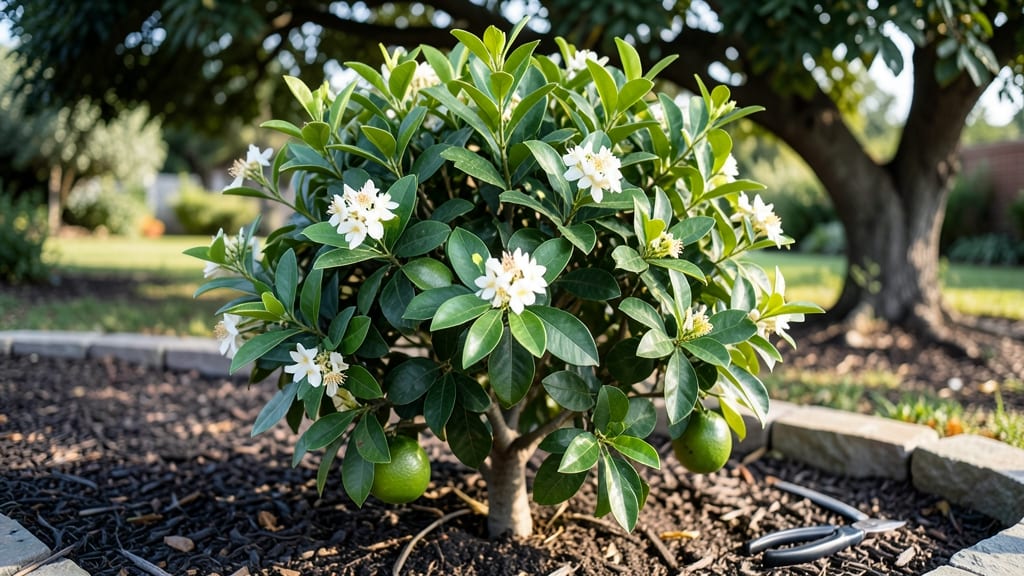
Zone 9 and 10 are the warmest USDA hardiness zones, where frost-free winters create ideal conditions for tropical and subtropical plants to grow year-round, with average minimum temperatures ranging from 20°F to 30°F (-6°C to -1°C).
These zones offer gardeners the unique opportunity to cultivate plants that would freeze in cooler climates, like bougainvillea or citrus trees. 🌿 However, the intense heat and dry conditions demand special care—proper irrigation, shade solutions, and mulching become essential to prevent root stress.
I've found that establishing microclimates, such as using windbreaks or drip irrigation systems, can make all the difference in maintaining plant health during extreme heat waves.
What sets these zones apart is their ability to support year-round gardening without seasonal interruptions. Unlike northern climates, Zone 9 and 10 gardeners can plant tropical perennials that bloom continuously, creating vibrant landscapes with minimal seasonal changes.
The key is adapting traditional gardening techniques to handle the region's specific challenges, like afternoon shade for heat-sensitive varieties or soil amendments to retain moisture.
💡 In This Article
- Understanding Zone 9 and 10 Climate Characteristics
- Survival Strategies for Plants in Extreme Heat Zones
Understanding Zone 9 and 10 climate characteristics
Zone 9 and 10 span regions where average annual minimum temperatures hover between 20°F and 30°F (-6°C to -1°C), creating a climate that mimics tropical and subtropical conditions year-round. What makes these zones unique is their lack of frost—even in winter, temperatures rarely drop below 20°F (-6°C).
This frost-free environment allows gardeners to cultivate plants like mango trees, hibiscus, and citrus that would perish in colder climates. The key difference from cooler zones is the extended growing season, with some plants producing multiple harvests annually.
Humidity levels in these zones vary dramatically. Coastal areas like Southern California and Florida's Gulf Coast experience high humidity with frequent afternoon thunderstorms, while inland desert regions (such as Phoenix) face extreme dryness and intense sun exposure.
For example, Phoenix averages 300 sunny days per year with summer temperatures soaring to 110°F (43°C)90°F (32°C) but with higher rainfall. These conditions force gardeners to adapt their approaches—desert zones require aggressive water retention strategies, while humid areas need improved airflow to prevent fungal diseases.
The lack of winter dormancy creates challenges for traditional plants. Many temperate species (like roses or peonies) struggle without a cold period to reset their growth cycles. Instead, Zone 9-10 gardeners focus on plants adapted to consistent warmth, such as bougainvillea or agave, which thrive in 90-100°F (32-38°C) conditions.
The trade-off is that even heat-loving plants can suffer from summer heatwaves—proper afternoon shade becomes critical to prevent leaf scorch or flower drop in sensitive varieties like orchids.
Seasonal variations exist but are subtle compared to northern climates. Summers dominate with 90-110°F (32-43°C) temperatures, while winters rarely drop below 40°F (4°C). The biggest challenge isn't cold snaps but rather the relentless sun and occasional droughts.
Unlike Zone 5's -15°F (-26°C) winters, Zone 10's mild winters mean no natural pruning cycle for deciduous plants—gardeners must manually trim to control growth. This continuous growth demands more frequent maintenance, from pruning to pest control, as insects like aphids thrive year-round.
Soil characteristics also differ significantly. Sandy desert soils drain too quickly, while coastal areas often have dense, clay-heavy soils that retain moisture but suffocate roots. The solution? Amending with organic matter like compost or coconut coir creates the ideal balance—retaining 30-50% more moisture while improving aeration.
This is why local nurseries in these zones stock specialized soil mixes designed for their specific microclimates, often containing perlite or vermiculite to prevent compaction.
What most gardeners don't realize is how these zones affect plant metabolism. Without cold periods, many plants grow 20-30% faster but require more frequent harvesting to prevent over-maturation.
For instance, tomatoes in Zone 10 may produce fruit continuously if pruned properly, whereas in Zone 7 they'd have a single summer harvest. This metabolic shift means fertilizer needs change—slow-release organic options work best to avoid nutrient burn in heat-stressed plants.