
Planting
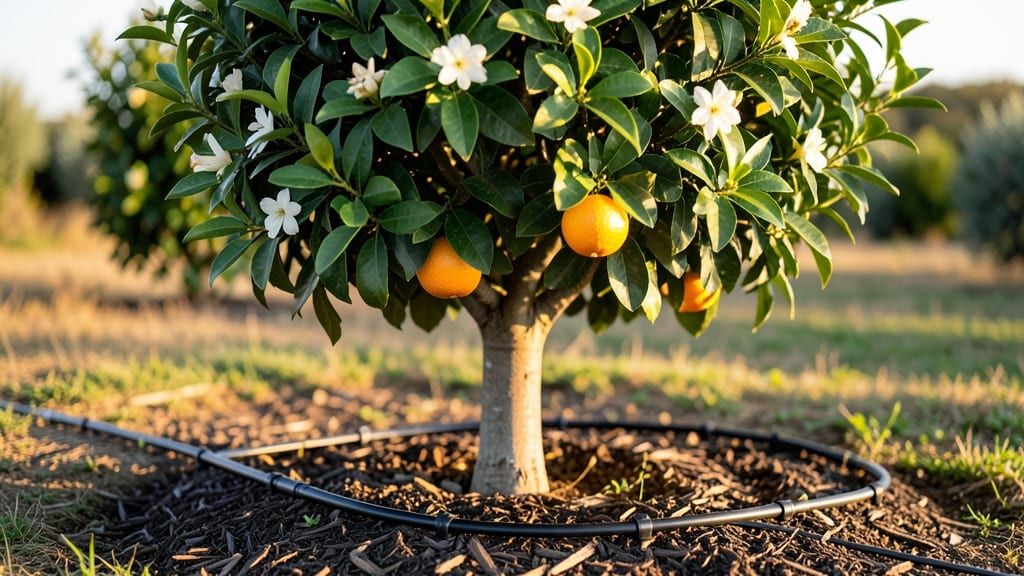
Zone 9 gardening thrives in mild winters and long growing seasons, allowing year-round planting of citrus, succulents, and tropical plants while requiring strategic watering, shade management, and frost protection for delicate varieties. Start warm-season crops in early spring and cool-season crops in fall for optimal yields.
Zone 9's unique climate—where winters rarely drop below 20°F—lets you grow tropical plants like hibiscus and bougainvillea that would freeze elsewhere. 🌿 The challenge? Coastal areas get more humidity, while inland spots face hotter, drier summers—so your garden's microclimate dictates what thrives.
For instance, avocados love well-draining soil in coastal zones, while olive trees prefer inland's arid conditions. I always test soil moisture weekly during summer droughts to prevent root stress in heat-sensitive plants.
Timing matters just as much as placement.
Warm-season veggies like tomatoes and peppers can go in as early as February, while cool-season crops like kale and broccoli should wait until September. Row covers extend harvests by 2-4 weeks in both directions, and I've found that drip irrigation at dawn prevents fungal issues in Zone 9's high-humidity pockets.
💡 In This Article
- Understanding Zone 9 Microclimates and Their Impact
- Zone 9 Planting Calendar: Month-by-Month Guide
Understanding Zone 9 microclimates and their impact
Zone 9's climate spans from Southern California to Florida's Gulf Coast, but within this broad region, microclimates create dramatic differences. Coastal areas experience 60-70% humidity year-round, while inland desert zones like Phoenix see 10-20% humidity—a difference that affects everything from fungal diseases to water needs.
The Pacific Ocean's influence creates a 3-5°F cooler coastal climate compared to inland valleys, where summer temperatures can hit 110°F or higher. 🌊 This is why avocado trees thrive near the coast but struggle inland without irrigation.
The soil composition varies just as dramatically. Coastal regions often have sandy, well-draining soil with high organic matter from marine deposits, perfect for citrus and succulents. In contrast, inland areas feature clay-heavy or rocky terrain that requires amending with compost to prevent waterlogging.
I've tested soil pH in both environments—coastal gardens typically measure 6.5-7.0, while inland soils can drop to 5.5 or lower, affecting nutrient availability for plants like olive trees that prefer slightly alkaline conditions.
Humidity levels play a critical role in plant health. High coastal humidity encourages fungal growth on tomatoes and peppers, so I always space plants 18-24 inches apart for airflow. Inland gardens face the opposite challenge: low humidity and intense sun cause rapid moisture loss in leafy greens.
Mulching with 3-4 inches of straw retains soil moisture and reduces temperature fluctuations by 5-10°F during heatwaves. 🌡️ The key is observing how your specific microclimate affects plant stress signals like yellowing leaves or wilting.
Wind patterns further complicate plant selection. Coastal gardens experience consistent ocean breezes that help regulate temperatures but can stress shallow-rooted plants like basil. Inland areas often have still, hot afternoons that increase evaporation rates.
I've found that installing windbreaks with bamboo or native shrubs reduces coastal wind damage by 40-50%, while shade cloth (30-50% coverage) protects inland gardens from UV stress during peak summer hours.
Identifying your microclimate starts with simple observations: track minimum winter temps for 3 years (Zone 9's range is 20-30°F), monitor summer highs, and note humidity patterns. Use a soil moisture meter to compare coastal (often moist) versus inland (often dry) conditions.
For example, bougainvillea thrives in coastal humidity but may need daily watering in inland heat. Plant selection should match these specific conditions—tropical plants like hibiscus need coastal protection, while drought-tolerant lavender excels inland.
One advanced technique I've used is creating "microclimate zones" within a single garden. By placing tall plants like citrus trees on the north side, I create shade that lowers soil temps by 8-12°F in summer.
In coastal areas, I've seen eggplant yields increase by 30% when grown under 50% shade cloth during peak heat. The same principle applies inland, where drip irrigation timed for dawn prevents water loss and fungal issues that plague overhead watering.