
Blooming
Planning your garden around bloom times? This month-by-month flower season chart organizes the best blooming flowers by USDA hardiness zones, so you can design year-round color and maximize your garden's potential.
Early Spring Bloomers for Cold Zones
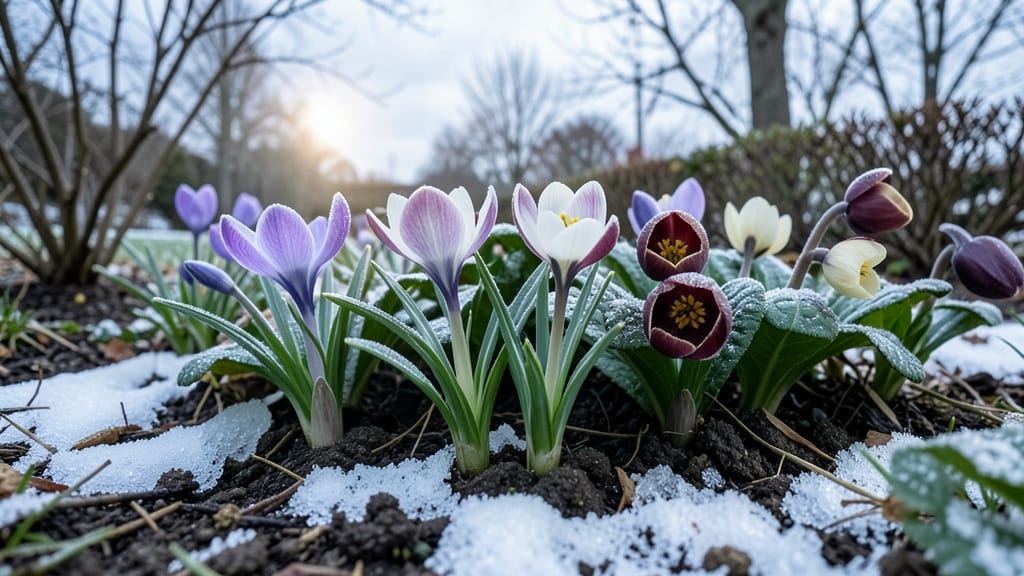
When winter still grips your garden, crocuses and hellebores defy the cold by blooming as early as February in zones 3-6. These tough perennials push through snow and ice to deliver the season's first splash of color, making them the unsung heroes of early spring gardens.
Plant crocuses in fall for late-winter blooms, choosing varieties like 'Purple Dream' or 'Snow Bunting' for reliable performance. Hellebores, also called Lenten roses, thrive in partial shade and produce delicate flowers from February through April. Both plants prefer well-draining soil and minimal care once established, making them perfect for low-maintenance gardeners.
These cold-hardy bloomers are especially valuable for gardeners in northern climates who crave color before summer flowers emerge. They also attract early pollinators like bees, giving your garden a head start on supporting local ecosystems. 🌱
Tulip Varieties by Peak Bloom Month
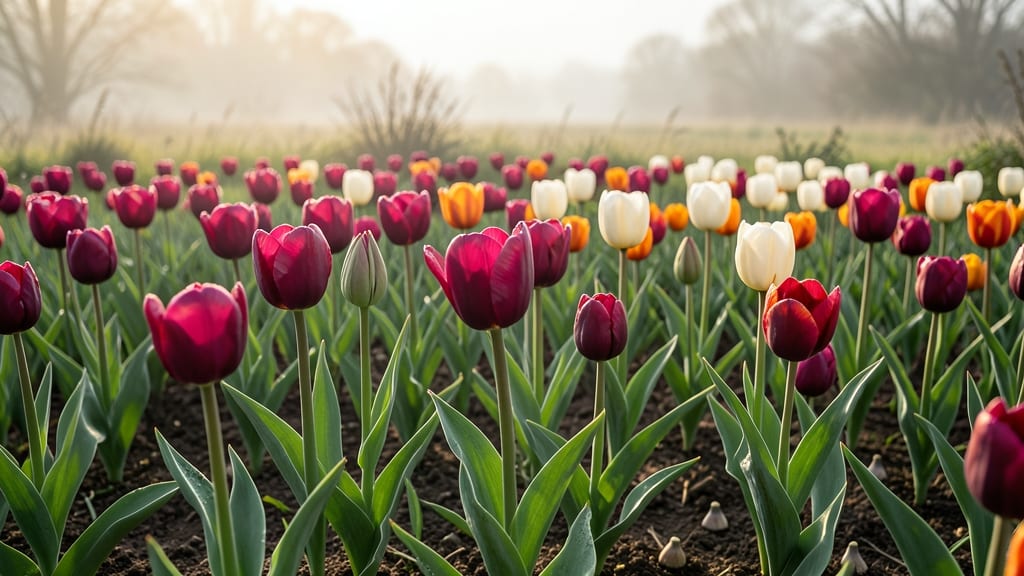
Want to enjoy tulips blooming from early spring through late May? Staggering plantings of different tulip varieties ensures your garden stays vibrant when other spring flowers are fading.
Start with Darwin Hybrid tulips in April—these bold, sturdy blooms thrive in full sun and handle wind better than most varieties. Follow with Fosteriana varieties in late April to early May, known for their striking maroon and yellow hues. For a mid-season splash, Parrot tulips bloom in May with their unique feathered petals. Each type requires 6 hours of sun and well-drained soil for peak performance.
This strategy works especially well for gardeners in zones 4-8 who want to extend their tulip season without planting hundreds of bulbs. Perfect for beginners or anyone looking to simplify spring gardening! 🌷
Southern Zone Azalea Bloom Calendar
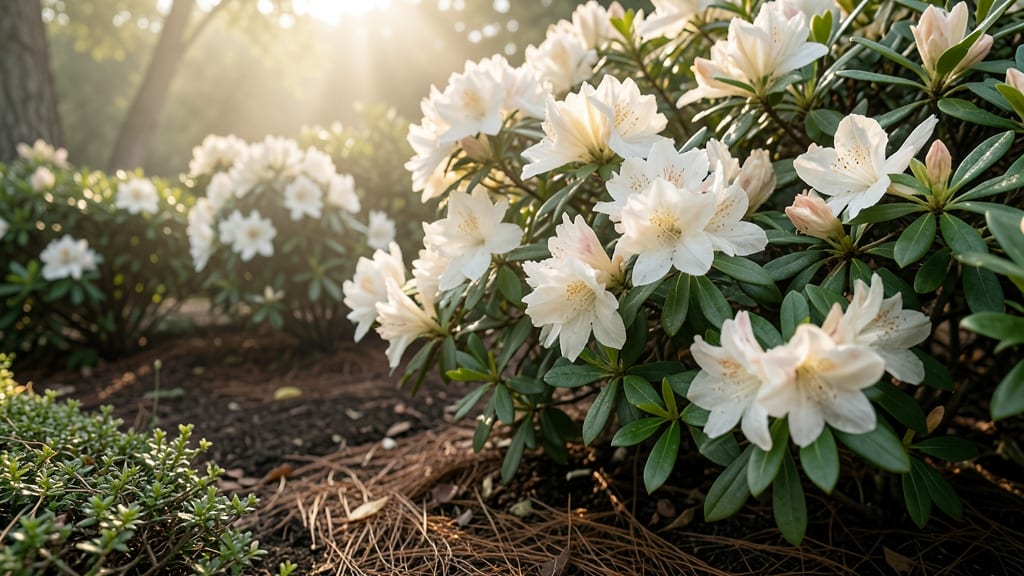
Want to turn your Southern garden into a year-round azalea show? Unlike most flowers that bloom for just a few weeks, azaleas in zones 7-9 can provide three months of vibrant color—if you choose the right varieties.
Early bloomers like 'Hershey's Kiss' (February-March) feature creamy white flowers, while mid-season 'Girard's Pink' (March-April) delivers soft pink blooms. Late-season varieties such as 'Southern Charm' (April-May) extend the display into spring. All thrive in partial shade with well-draining, acidic soil (pH 5.0-6.0).
This staggered bloom strategy is perfect for gardeners in the South who want to avoid seasonal color gaps while supporting pollinators. Plant them near patios or entryways for maximum enjoyment! 🌷
Summer Annuals for Heat Zones 9-11
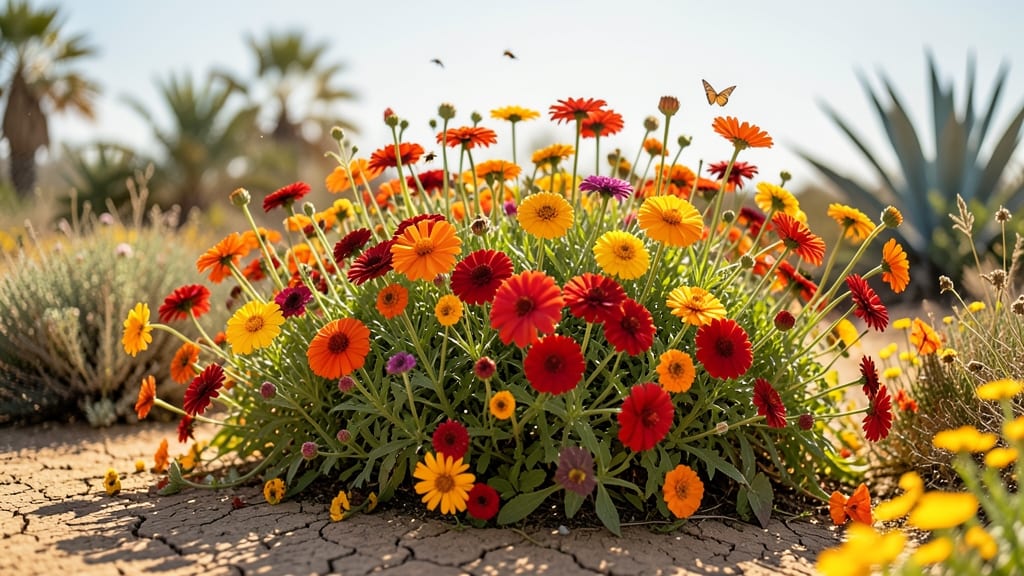
If your garden feels like a desert during the dog days of summer, heat-loving annuals are your secret weapon for vibrant color and pollinator support. Unlike finicky perennials, these sun-worshippers flourish in USDA zones 9-11 when temperatures soar, with some varieties even thriving in triple-digit heat.
Start with zinnias ('Benary's Giant' blooms July-September) and sunflowers ('Moulin Rouge' peaks August-October) for bold focal points. Mix in celosia ('Cockscomb' varieties) for fiery reds that last from July through frost, and portulaca for succulent-like blooms that stay fresh even when other flowers wilt. Plant seeds directly in well-draining soil after your last frost date—these annuals germinate quickly and reward you with nonstop blooms with minimal deadheading.
This is your chance to create a summer garden that's as resilient as it is beautiful. Urban gardeners and first-time planters will especially appreciate how these low-maintenance stars handle heat waves while attracting butterflies and bees. 🌻
Fall Mums by Frost Sensitivity
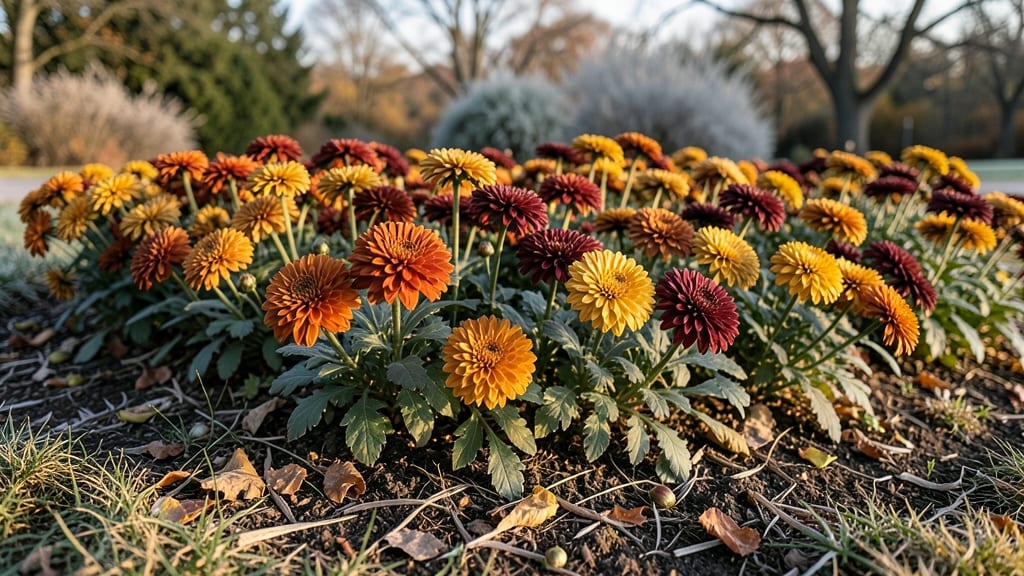
When your garden seems to fade as summer ends, chrysanthemums step in to paint your landscape in bold autumn hues—often lasting until the first frost. Unlike many flowers that wilt with cooler temps, these hardy beauties thrive when others retreat, making them the perfect bridge between summer and winter.
For zones 5-8, choose frost-tolerant varieties like 'Hardy Bonanza' or 'Dynasity,' which can withstand light freezes while still blooming. Plant them in full sun to partial shade and well-draining soil for best results. Deadheading spent blooms encourages more flowers, extending their show well into November.
These versatile perennials are ideal for gardeners who want low-maintenance color without sacrificing beauty. Perfect for borders, containers, or cutting gardens, they reward patience with months of vibrant blooms. 🌻
Winter-Blooming Camellias for Mild Zones
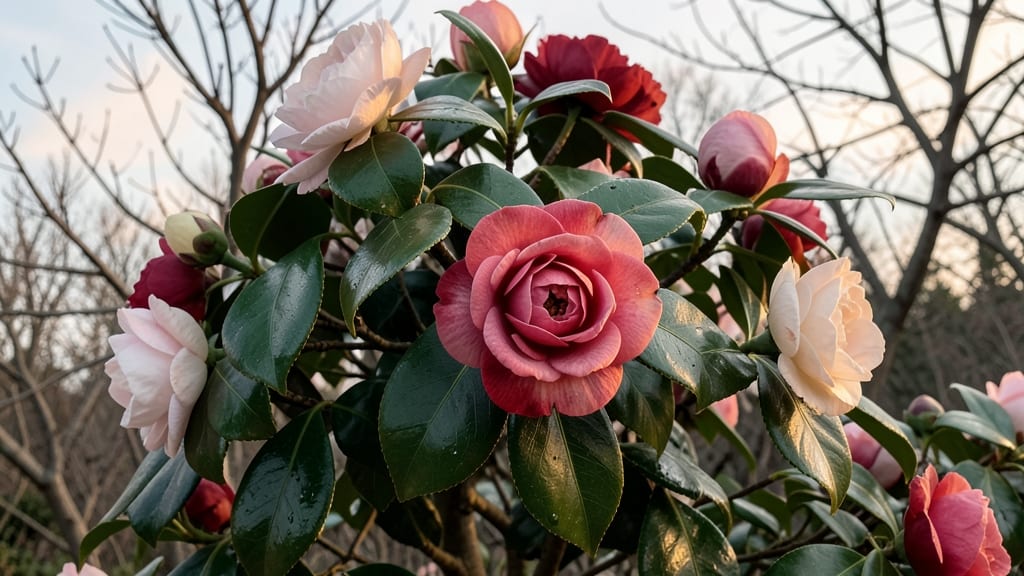
When most gardens are tucked in for winter, camellias in zones 7-10 burst into color, offering rosesque blooms from November through March. These elegant shrubs thrive where temperatures dip but rarely freeze solid, making them perfect for mild-winter climates like the Pacific Northwest or Gulf Coast.
For dramatic winter interest, choose Sasanqua camellias (bloom November-February) for cold-hardy varieties or Japonica camellias (bloom December-April) for showstopping single flowers. Plant in partial shade with well-draining, acidic soil (pH 5.0-6.5) and water consistently to prevent bud drop. Prune lightly after blooming to maintain shape.
Urban gardeners with small spaces will love these low-maintenance shrubs—they provide year-round foliage and seasonal blooms without the upkeep of annuals. 🌷
Perennial Alliums for Late Spring Gardens
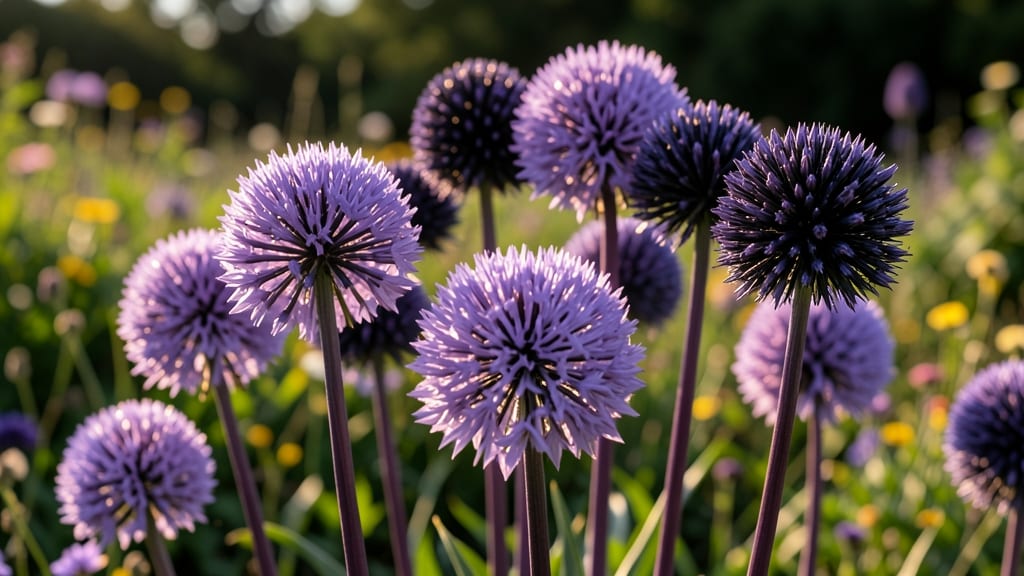
When your garden needs a dramatic late-spring punch, perennial alliums like Globemaster and Purple Sensation deliver with their striking spherical blooms. These pollinator magnets thrive in zones 3-9 and bloom reliably from May through June, bridging the gap between spring ephemerals and summer annuals.
Plant them in full sun for best results, and watch their vertical height (2-4 feet) create focal points in borders or containers. Their drought-tolerant nature makes them low-maintenance stars, while their spherical blooms provide texture that contrasts beautifully with flat-headed flowers like daisies.
Perfect for cottage gardens, pollinator plots, or cutting gardens, these alliums offer year-round structure even after blooms fade. 🌟
Zone-Specific Peony Bloom Times
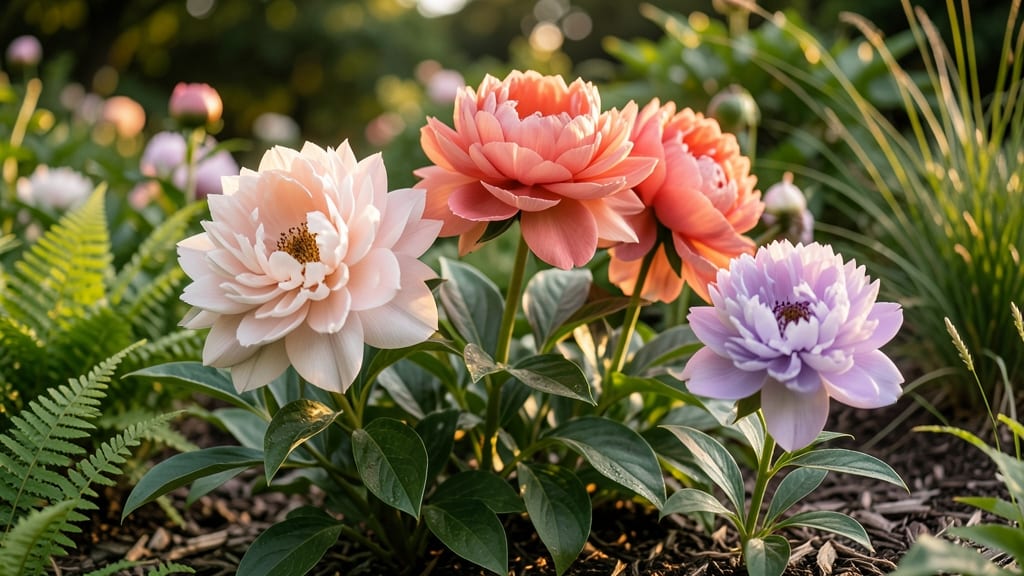
Want a summer garden that blooms effortlessly from May through July? Peonies are the secret weapon—with the right varieties, you can enjoy continuous color across zones 3-8 without gaps.
Early bloomers like Sarah Bernhardt open in late May, while mid-season favorites such as Bowl of Beauty peak in June. Late varieties like Duchesse de Nemours extend the show into July. Plant them in full sun with well-draining soil, and they’ll reward you with fragrant, lush blooms for decades. Their long lifespan means you’ll enjoy them year after year with minimal effort.
Perfect for beginner gardeners and pollinator lovers, peonies attract bees and butterflies while adding timeless elegance to borders. Mix varieties to create a nonstop summer display that rivals any cut-flower arrangement. 🌷
Late Summer Dahlias for Zones 5-10
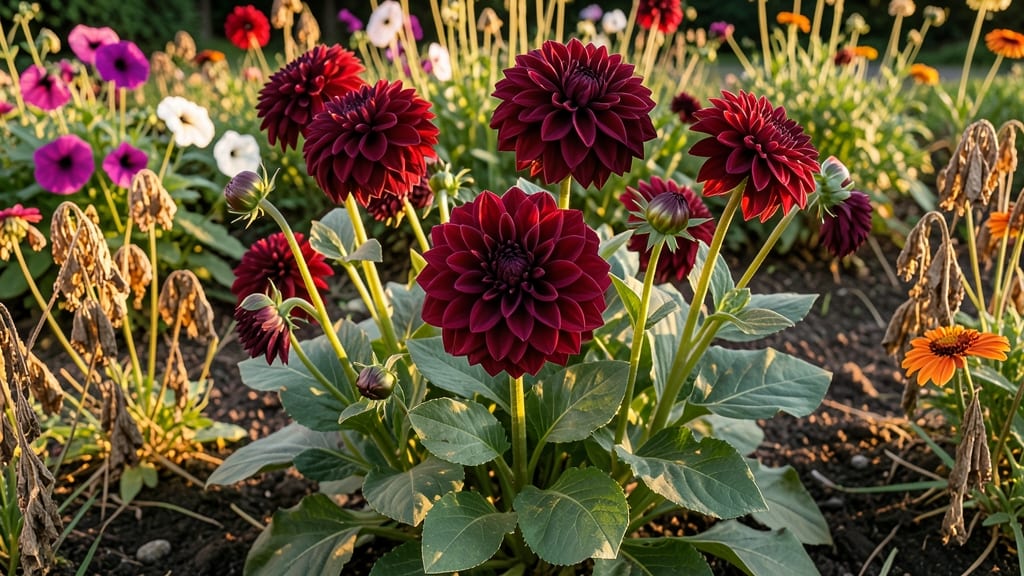
When your summer annuals start fading in late August, dahlias step in as the star of the show, delivering bold blooms that last until frost. Unlike many flowers that peter out in heat, dahlias thrive in zones 5-10 with varieties specifically bred to handle summer’s lingering warmth—some even prefer it.
For cooler zones (5-7), choose ‘Café au Lait’ or ‘Thomas Edison’—both tolerate light frosts and bloom from August through October. In warmer zones (8-10), opt for ‘Bishop’ or ‘Karma Choc’, which handle 90°F+ temperatures without wilting. Plant tubers 4-6 weeks before your last frost date for a head start, and stake tall varieties early to prevent flopping.
These flowers aren’t just pretty—they’re pollinator magnets and perfect for cutting gardens. Beginners will love how forgiving dahlias are once established, while experienced gardeners can experiment with deadheading for extended blooms. 🌻
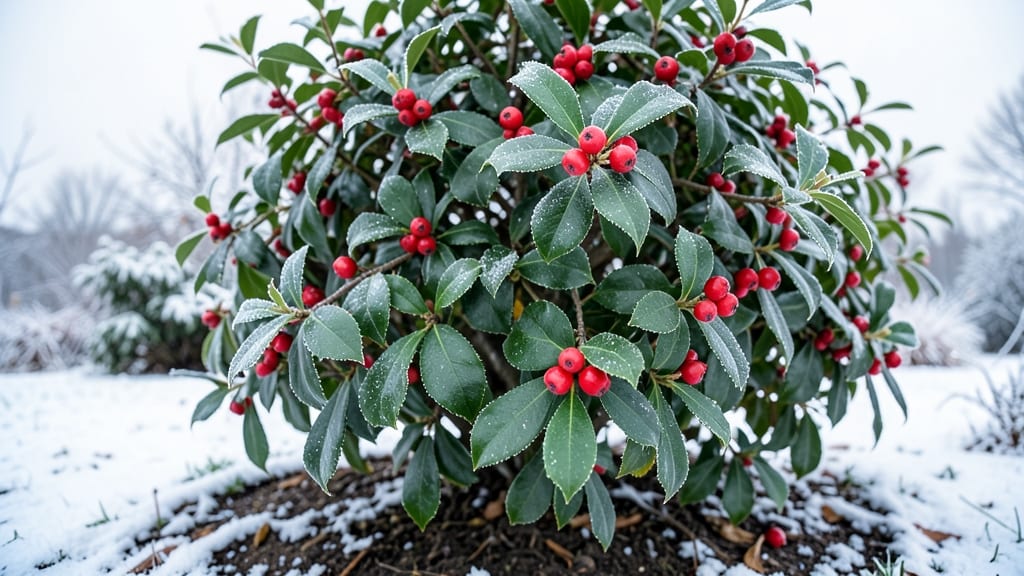
Evergreen Holly Berries for Year-Round Interest

When winter steals the show with its stark colors, evergreen holly becomes your garden's unsung hero—offering vibrant berries that defy the cold. Unlike seasonal blooms, these berries mature at different times, giving you year-round interest from late summer through winter.
For zones 5-9, try 'Nellie R. Stevens' for bright red berries that ripen in fall and persist through winter, or 'Golden King' for cheerful yellow berries that appear slightly later. Plant male and female varieties together to ensure pollination—most female plants need a male counterpart within 30 feet for berry production. These holly bushes thrive in partial shade and well-drained soil, making them perfect for woodland edges or foundation plantings.
This low-maintenance evergreen is ideal for gardeners who want winter structure and color without the fuss. Plus, the berries provide food for wildlife, making your garden both beautiful and functional. 🌿