
Container Gardens
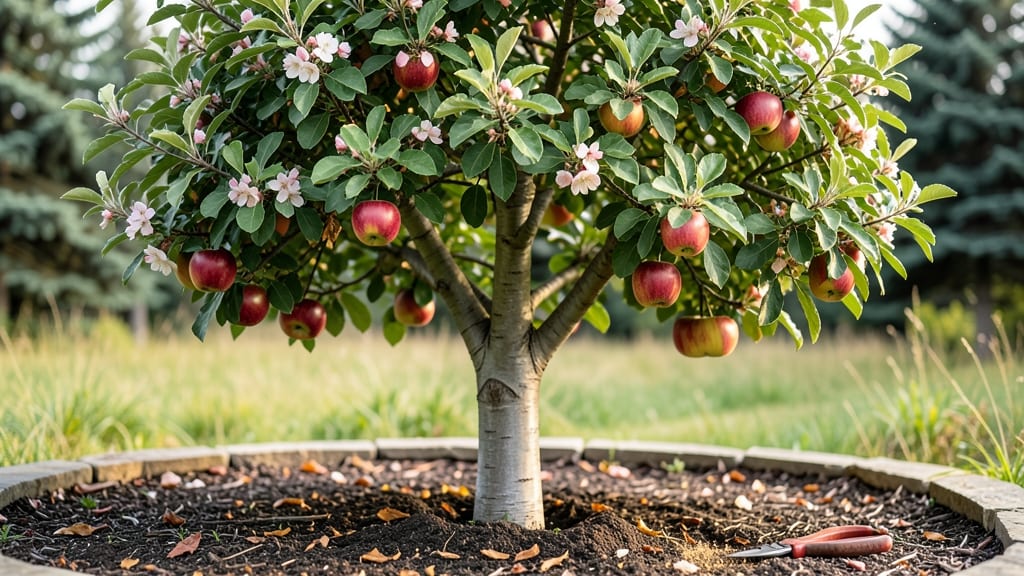
Honeycrisp apple trees grow best in USDA Hardiness Zones 4 through 8, where the combination of cold winters and warm summers helps develop their signature sweet-tart flavor. These climate conditions are essential for proper dormancy and fruit ripening.
These zones provide the exact balance Honeycrisp trees need: 250-1,000 chilling hours during winter to break dormancy, followed by 1,000-1,500 heat units in summer for fruit maturation. 🌳 Without sufficient winter chill, trees may produce smaller fruit with less complex flavors, while excessive heat can stress the tree.
I've found that Zone 5 gardens often produce the most reliable yields because the gradual seasonal transitions prevent extreme stress on the tree's systems.
For gardeners outside Zones 4-8, consider dwarf varieties or microclimate adjustments like windbreaks. These adaptations can expand your growing range by creating localized conditions that mimic the tree's ideal climate requirements.
💡 In This Article
- Why Honeycrisp Apples Flourish in Zones 4-8
- Best Honeycrisp Apple Tree Varieties for Different Zones
Why Honeycrisp apples flourish in Zones 4-8
The Honeycrisp apple's signature sweet-tart flavor develops through a precise climate dance between winter dormancy and summer ripening. These trees require 250-1,000 chilling hours below 45°F during winter to trigger bud break in spring—a process called endodormancy.
Without sufficient chill, trees may produce smaller fruit with less sugar development. Zone 4's -30°F winters provide ample chill, while Zone 8's 10°F winters offer just enough to prevent winter injury.
Summer heat accumulation is equally critical. Honeycrisp trees need 1,000-1,500 growing degree days (calculated above 50°F) for proper fruit maturation. This heat drives photosynthesis and sugar conversion in the fruit.
In Zone 5, where I've grown Honeycrisp trees, the gradual warming from 50°F to 80°F creates ideal conditions for flavor development. Compare this to Fuji apples, which thrive in Zones 5-9 but require 1,500-2,000 growing degree days—showing Honeycrisp's more moderate heat needs.
Winter cold actually enhances flavor by breaking down starches into sugars during dormancy. The 30-40°F temperature range during late winter is particularly important for this conversion. This is why Honeycrisp apples grown in colder climates often have more complex flavor profiles than those in warmer zones.
The tree's response to temperature changes creates the perfect balance between sweetness and tartness that makes this variety so beloved.
Soil temperature also plays a hidden role. The tree's roots need to warm above 50°F in spring to resume active growth. In colder zones like 4, this happens gradually, preventing shock. Meanwhile, the tree's ability to withstand brief -20°F temperatures (with proper care) makes it more resilient than many varieties.
This combination of winter chill and summer warmth creates the ideal conditions for Honeycrisp's signature crunch and flavor.
Microclimates can extend growing ranges. For example, a south-facing slope in Zone 4 can create 5-10°F warmer conditions than the surrounding area, potentially adding 100-200 growing degree days. Similarly, urban areas with heat islands (like paved surfaces) can create microclimates suitable for Honeycrisp in Zone 8's upper limits.
These localized adjustments explain why some gardeners succeed with Honeycrisp slightly outside the standard zones.
What most people don't realize is that the tree's flowering period is also temperature-sensitive. Honeycrisp blooms when daytime temperatures reach 55°F consistently for 3-5 days. Early blooming in warm winters can lead to frost damage, while late blooming in cooler zones ensures better fruit set.
This delicate balance between flowering time and frost risk is another reason why Zones 4-8 provide such reliable growing conditions.