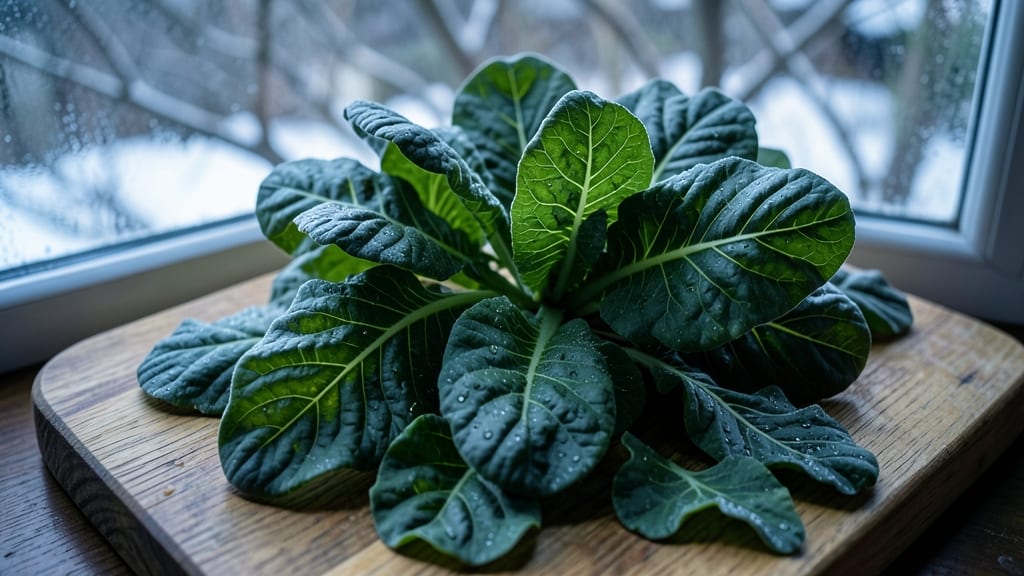
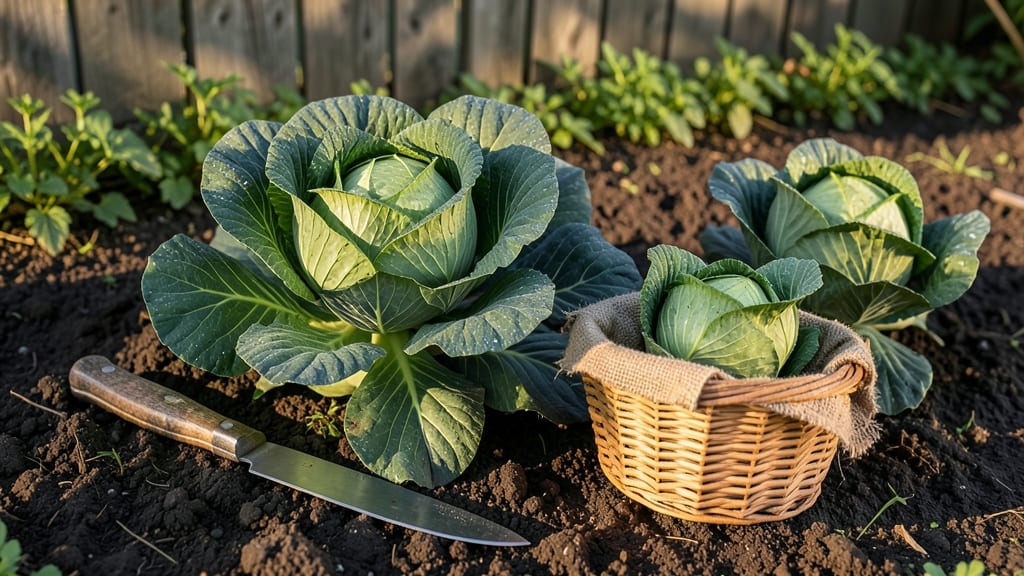
Winter gardening doesn’t mean sacrificing fresh vegetables—these cold-season varieties thrive in chilly weather and deliver bold flavors and essential nutrients. Perfect for hearty soups, crisp salads, and nutrient-dense…
Cool season veggies turned my garden into a year-round harvest machine—even when snow still lingered on the ground. 🌱 I used to think spring was the only growing season, but after my first winter kale harvest (which…
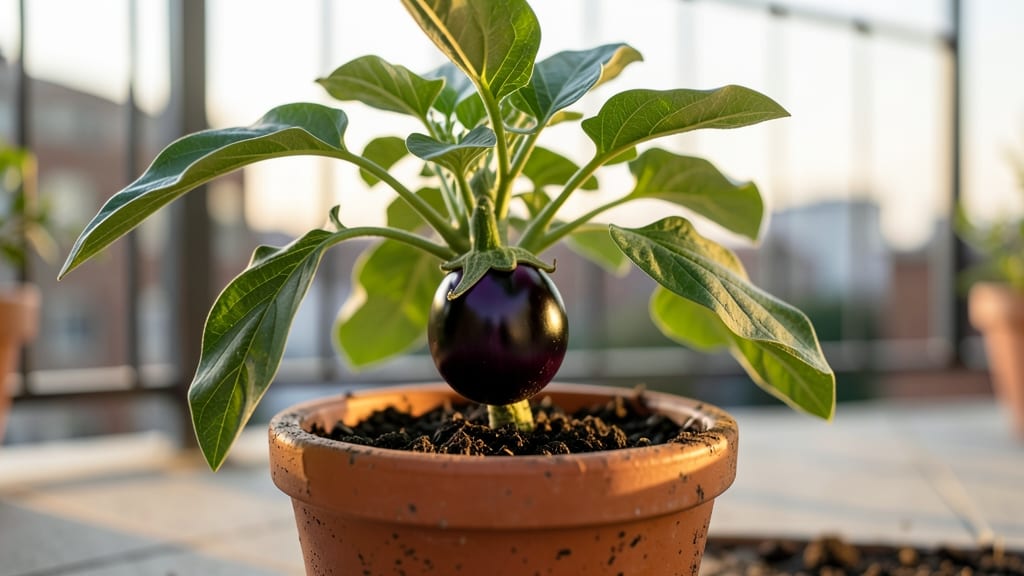
Summer gardening thrives with the right crops—these 10 high-yield varieties maximize productivity in small urban spaces, from balconies to window boxes, with minimal effort and maximum flavor. 1 Cherry Tomatoes Bush…
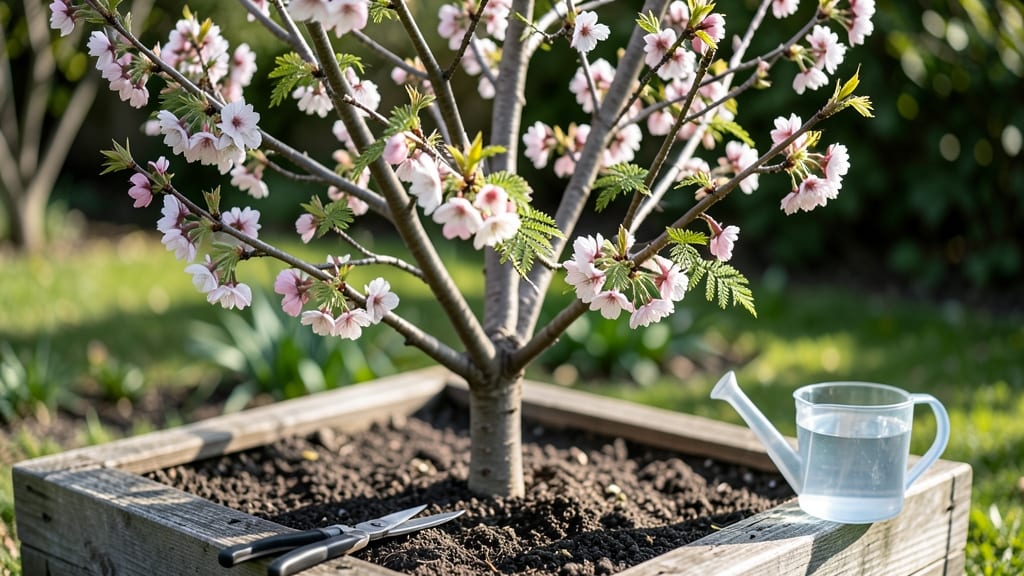
💥 Quick Answer Flowering almond trees thrive best in the USDA Hardiness Zones 6 through 9, where their delicate blooms and nut production flourish with just the right balance of mild winters and warm summers. Choosing…
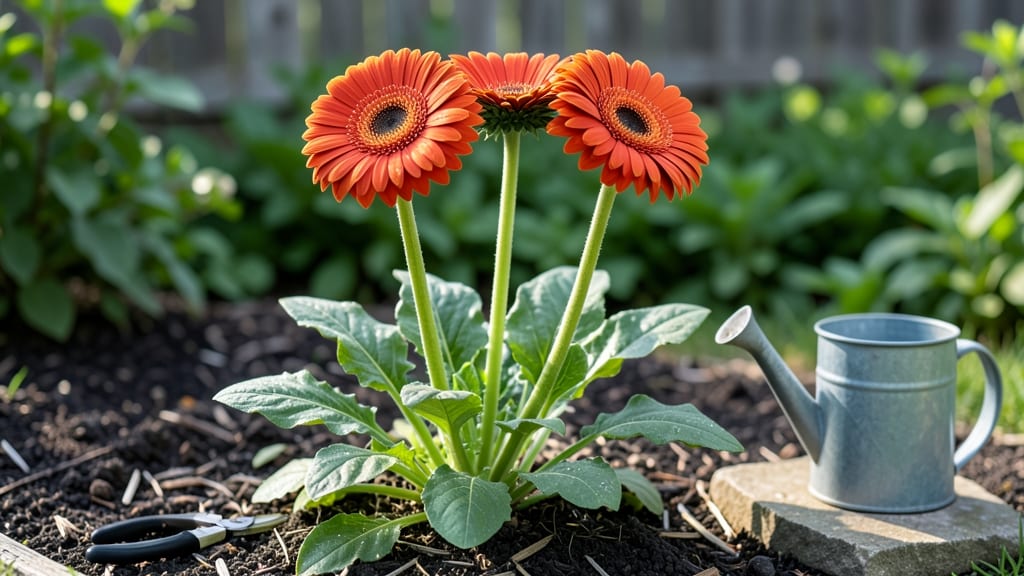
Gerbera daisies thrive when days stretch long and temperatures climb— that’s their peak season . 🌸 I’ve grown them in both hot summers and mild winters, and the difference is night-and-day: in heatwaves, they burst with…
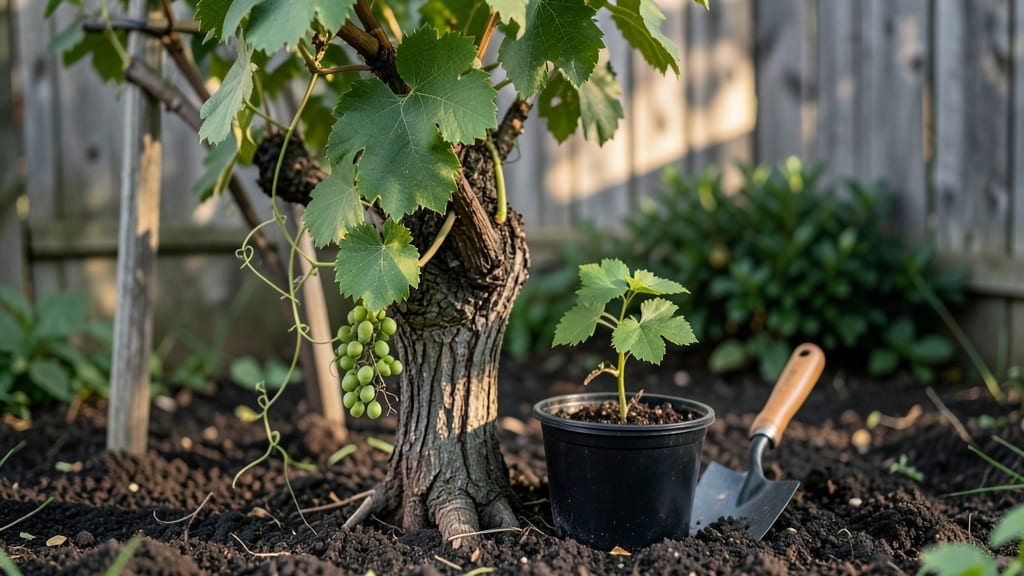
💥 Quick Answer Grape planting zones work best in USDA Hardiness Zones 5 through 9, with cooler varieties like Concord thriving in Zones 5-7 and heat-tolerant types such as Cabernet Sauvignon excelling in Zones 8-9…
💥 Quick Answer Understanding Hawaii’s growing zones means working with USDA Hardiness Zones 10 through 13, where elevation and ocean exposure create dramatic shifts—Oahu’s coasts often fit Zone 11, while Maui’s uplands…
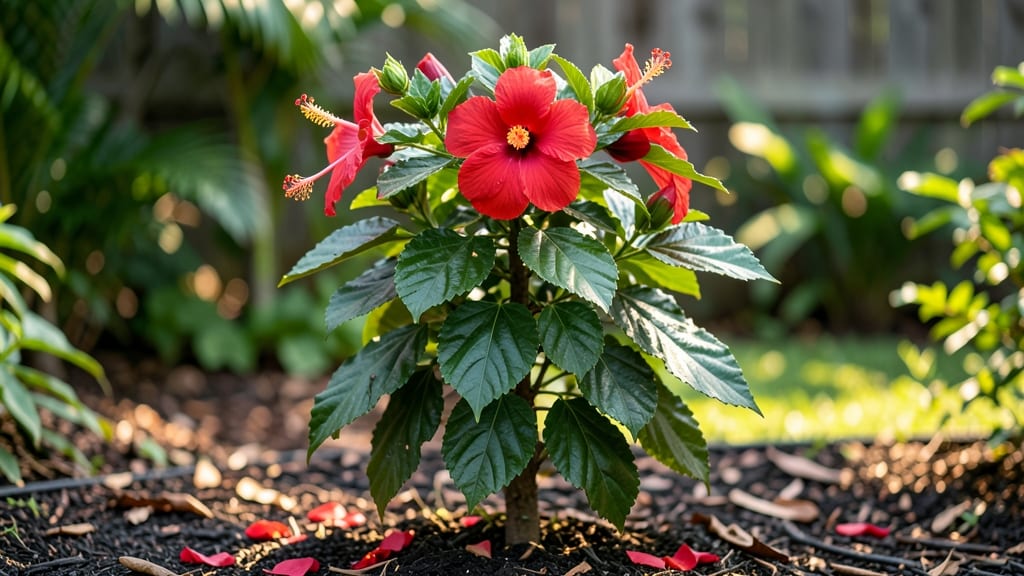
💥 Quick Answer Hibiscus plants grow best in USDA zones 4 through 11, where tropical hibiscus need zones 9-11 for survival, while hardy hibiscus (like Hibiscus moscheutos) thrive in zones 5-9. Cold-resistant varieties…
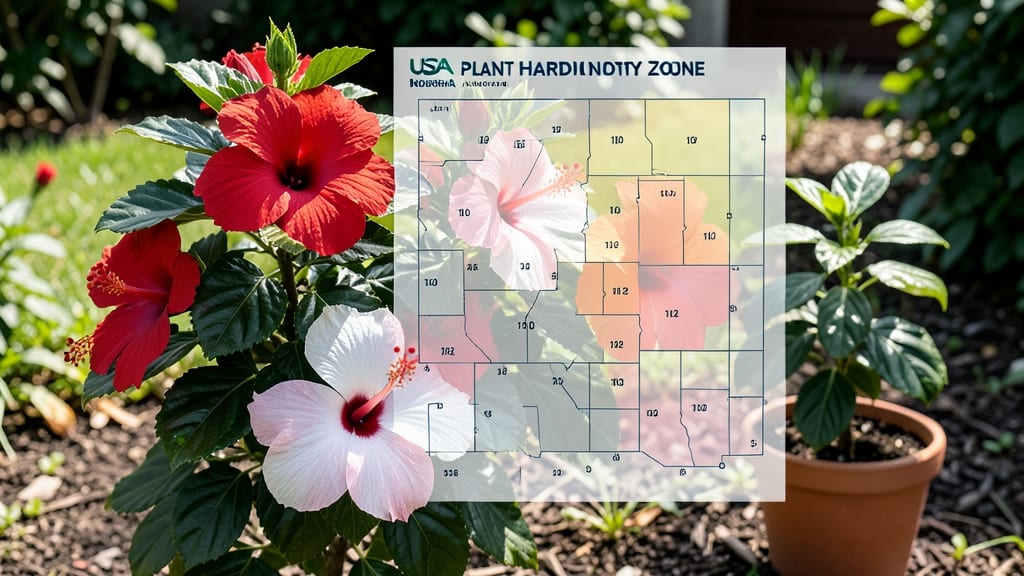
💥 Quick Answer To find out what USDA planting zone you live in, use the official [USDA Plant Hardiness Zone Map](https://planthardiness.ars.usda.gov/) by entering your ZIP code or address. This tool provides precise…