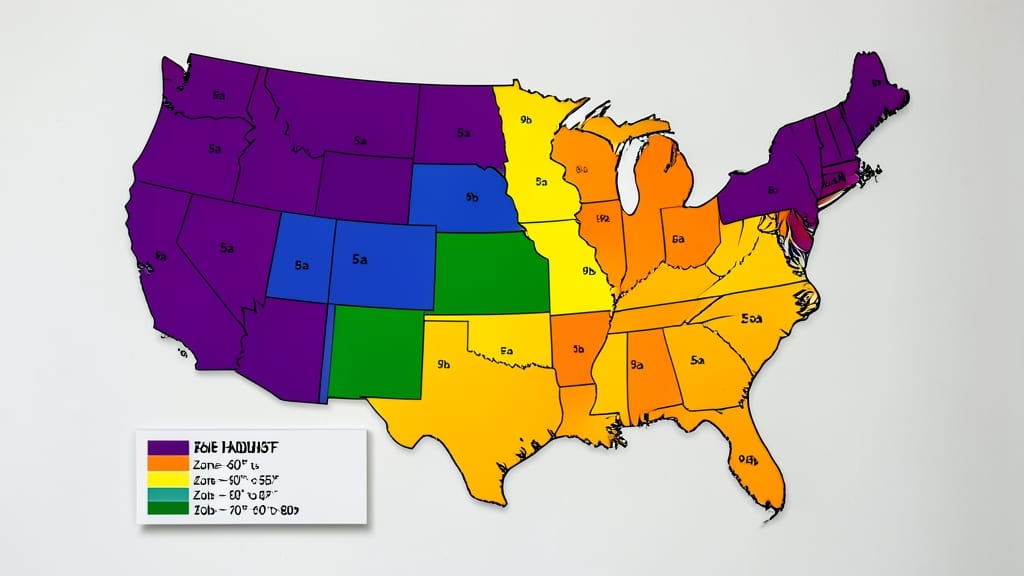
💥 Quick Answer The USDA Plant Hardiness Zone Map organizes the U.S. into 13 primary climate zones , ranging from zone 1 (the coldest Alaskan regions) to zone 13 (the warmest Hawaiian areas), with half-zones (like 6a or…
💥 Quick Answer Houston, TX primarily falls within USDA Hardiness Zone 9a , though most of the city spans Zones 8b to 9a , with coastal areas occasionally reaching Zone 9b . Understanding Houston's planting zone helps…
💥 Quick Answer The 2025 planting zones reflect updated USDA climate data, shifting boundaries in regions like the Midwest and Northeast due to rising temperatures, with Zone 6 now covering areas previously classified as…
💥 Quick Answer Ohio's hardiness zones range from 5 through 7, with most of the state falling in zones 5b and 6a, though northern areas extend into 5a and southern regions reach up to 7a. Always verify your exact…
💥 Quick Answer Mango trees grow best in USDA hardiness zones 10-12, where they can survive temperatures down to 30°F (-1°C) without damage. Outdoor mangoes in zones 9-11 require winter protection to prevent…
💥 Quick Answer Maine's gardening zones range from USDA Zone 4 in inland areas to Zone 5 or 6 along the coast, with microclimates creating local variations. For precise details, use the USDA Interactive Zone Map to check…
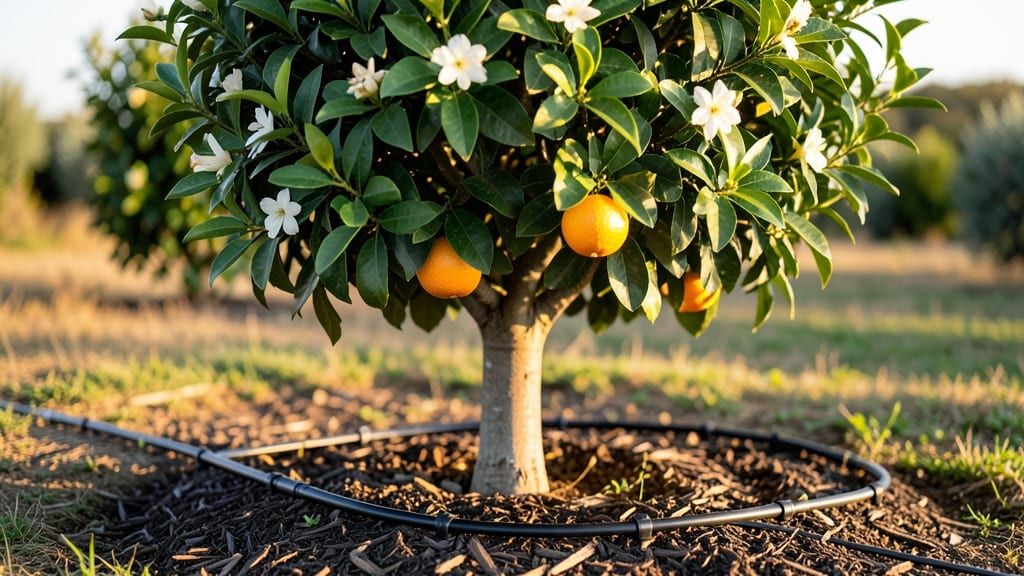
💥 Quick Answer Zone 9 gardening thrives in mild winters and long growing seasons, allowing year-round planting of citrus, succulents, and tropical plants while requiring strategic watering, shade management, and frost…
💥 Quick Answer Bridal wreath spirea grows best in USDA hardiness zones 3 through 8, where it endures freezing temperatures down to -30°F (-34°C) while thriving in cooler climates with proper soil and sunlight…
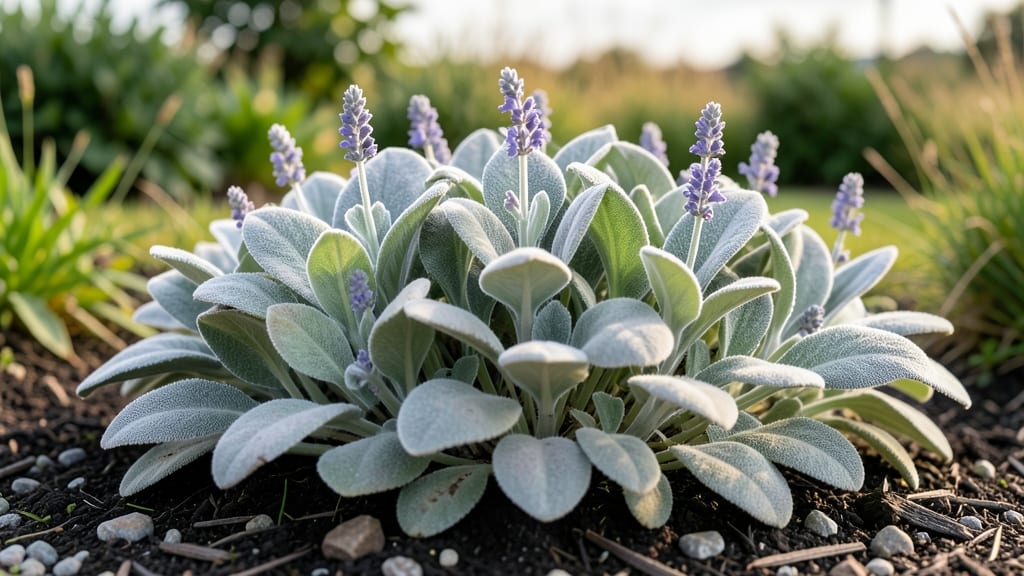
💥 Quick Answer Lambs ear grows best in USDA hardiness zones 3 through 9, adapting to both freezing winters and intense summer heat, though it performs optimally in well-drained soil with partial shade during hotter…