
Planting
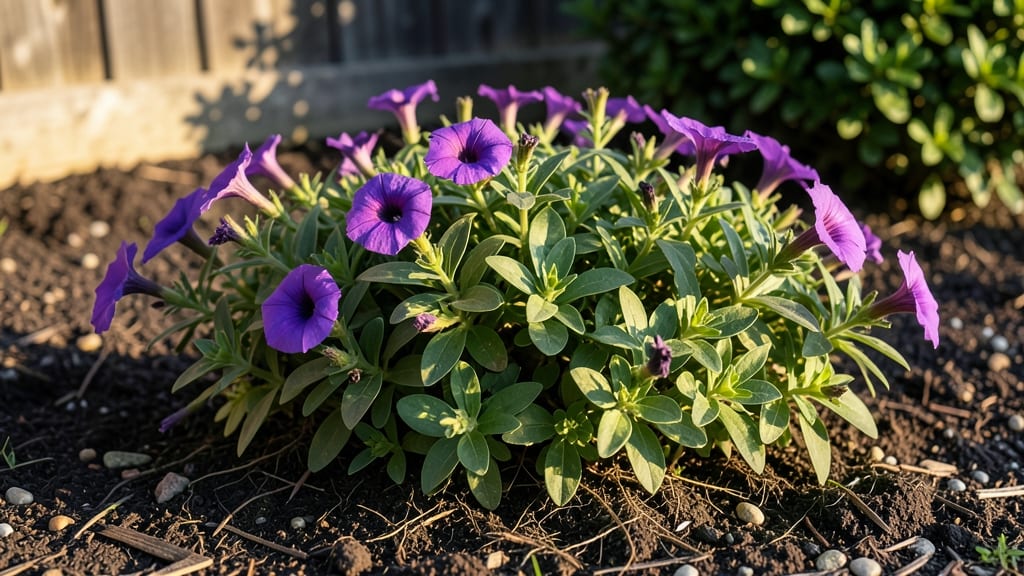
Houston, TX primarily falls within USDA Hardiness Zone 9a, though most of the city spans Zones 8b to 9a, with coastal areas occasionally reaching Zone 9b.
Understanding Houston's planting zone helps you choose the right plants for your garden. 🌿 The city's warm winters (typically between 25°F and 30°F) define Zone 9a, but proximity to the Gulf can create microclimates where coastal areas experience milder temperatures year-round.
This variation means some plants that thrive in Zone 9a might struggle in cooler inland pockets, while others near the water may need extra protection from summer humidity. Always verify your exact location using the USDA Plant Hardiness Zone Map for precise guidance.
For gardeners, this means selecting plants that match your specific microclimate—whether you're dealing with urban heat islands or coastal breezes. 🌡️ For example, citrus trees love Houston's warmth but may need winter protection in Zone 8b areas, while succulents thrive in hotter microclimates.
Local weather apps can help track temperature shifts and adjust your planting strategy accordingly.
💡 In This Article
- USDA Zone 9a in Houston: Temperature Ranges and Plant Suitability
- Houston Microclimates: Urban Heat Islands and Coastal Effects on Plant Zones
USDA Zone 9a in Houston: temperature ranges and plant suitability
Houston's classification as USDA Zone 9a hinges on its average annual minimum winter temperatures, which typically range between 25°F and 30°F. This means most plants in this zone must survive brief dips into these cold temperatures without permanent damage.
For context, this is significantly warmer than Zone 8b (10°F to 20°F) but cooler than Zone 9b (30°F to 35°F). The city's frost-free period usually spans 280-300 days, giving gardeners a long growing season but requiring careful plant selection for winter-sensitive species.
The Gulf of Mexico plays a critical role in moderating Houston's climate. Coastal areas, particularly near Galveston Bay, often experience milder winters due to the Gulf's heat-retaining properties. This can push some neighborhoods into Zone 9b, where plants like citrus trees and bougainvillea thrive year-round without winter protection.
Conversely, inland areas—especially those with higher elevation—may dip closer to Zone 8b, where frost events can occur more frequently, particularly in the northern parts of the city.
For gardeners, this temperature range directly impacts plant choices. Tropical plants like hibiscus and plumeria flourish in Zone 9a, while cold-hardy varieties such as crepe myrtle or Texas sage can handle the occasional dip below freezing. The key is selecting plants with a chilling requirement that matches your microclimate.
For example, fruit trees like figs or loquats may need winter mulching in cooler pockets, while succulents and cacti thrive in the heat with minimal water.
Heat tolerance is equally important. Houston's summers routinely exceed 95°F, with humidity levels often surpassing 80%. Plants like oleanders and yuccas are well-adapted to these conditions, while others may require afternoon shade or supplemental irrigation.
The USDA map provides a starting point, but local nurseries and extension services can offer tailored advice for your specific neighborhood's conditions.
One often-overlooked factor is the last frost date, which in Houston typically falls around February 15, though this can vary by 1-2 weeks depending on the year. Early spring plantings should wait until after this date to avoid frost damage.
Conversely, the first frost usually arrives in mid-November, signaling the end of the growing season for tender plants. Tracking these dates with tools like the National Weather Service's climate data or apps like PlantNet can help refine planting schedules.
Here’s a quick reference for common plants in Zone 9a:
- Cold-hardy choices: Texas sage, yucca, and Mexican feather grass (survive down to 20°F)
- Moderate sensitivity: Bougainvillea, hibiscus, and citrus (need protection below 25°F)
- Tropical favorites: Plumeria, gardenia, and oleander (require winter care in cooler microclimates)
Understanding these nuances ensures your garden thrives year-round, even as Houston's microclimates create local variations. 🌡️