💥 Quick Answer Climate zone 7 provides perfect growing conditions for diverse vegetables year-round, from hearty greens like kale and spinach in cooler seasons to sun-loving tomatoes and peppers during summer months…
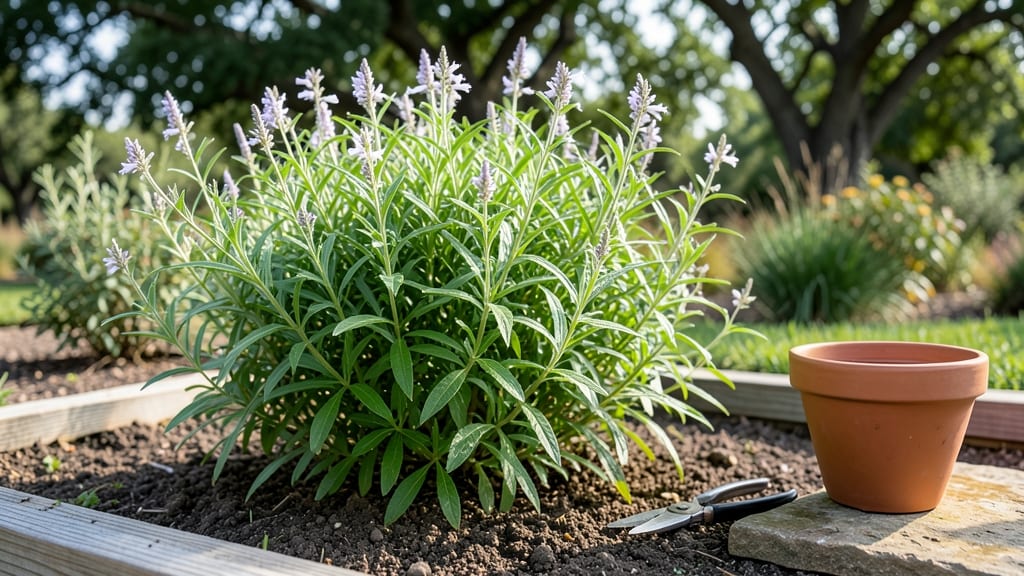
💥 Quick Answer Lemon verbena grows best in USDA hardiness zones 8-11, but with proper winter care, it can tolerate brief exposure to zone 7. Cold sensitivity means frost and chilling temperatures quickly damage its…
Before diving into Ohio’s gardening potential, here’s what growing zone is Ohio—most of the state thrives in USDA Zones 5 through 7, with northern cities like Toledo and Cleveland in Zone 5 and southern areas including…
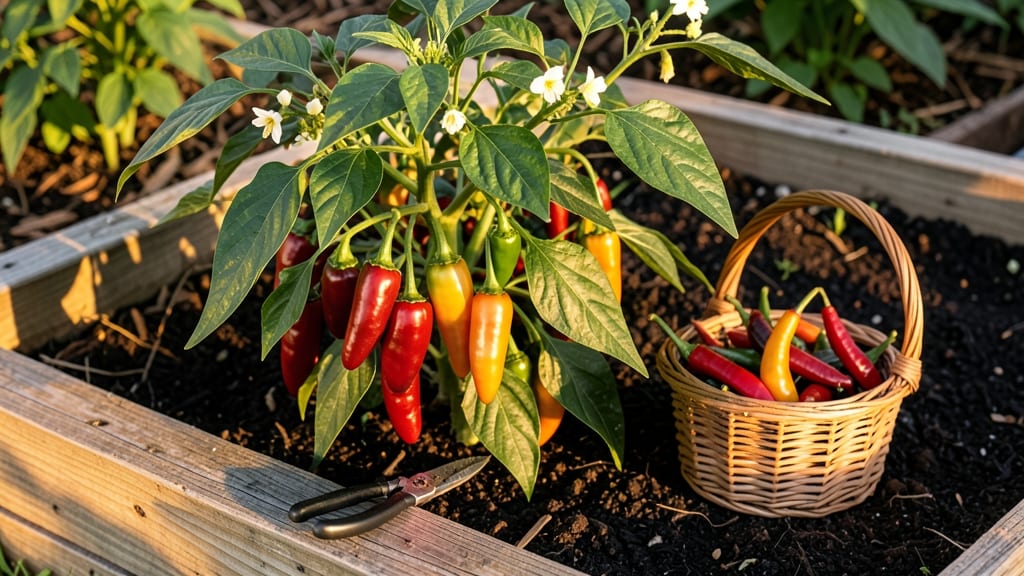
The Hatch chile harvest season is your chance to savor the bold, smoky flavors that define New Mexico’s culinary soul—but missing the window means bland, underripe peppers or wasted potential. Picture this: rows of 🌶️…
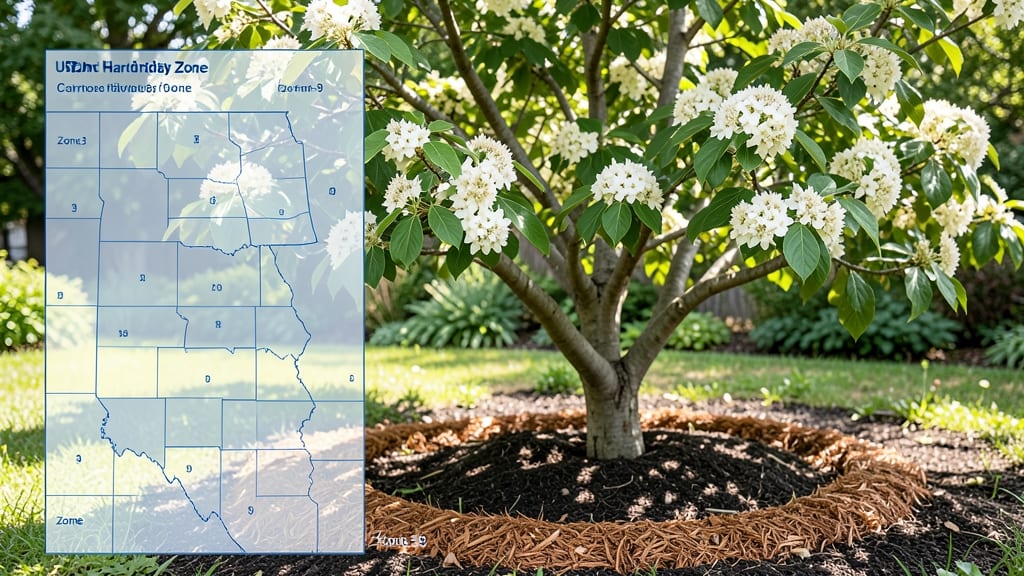
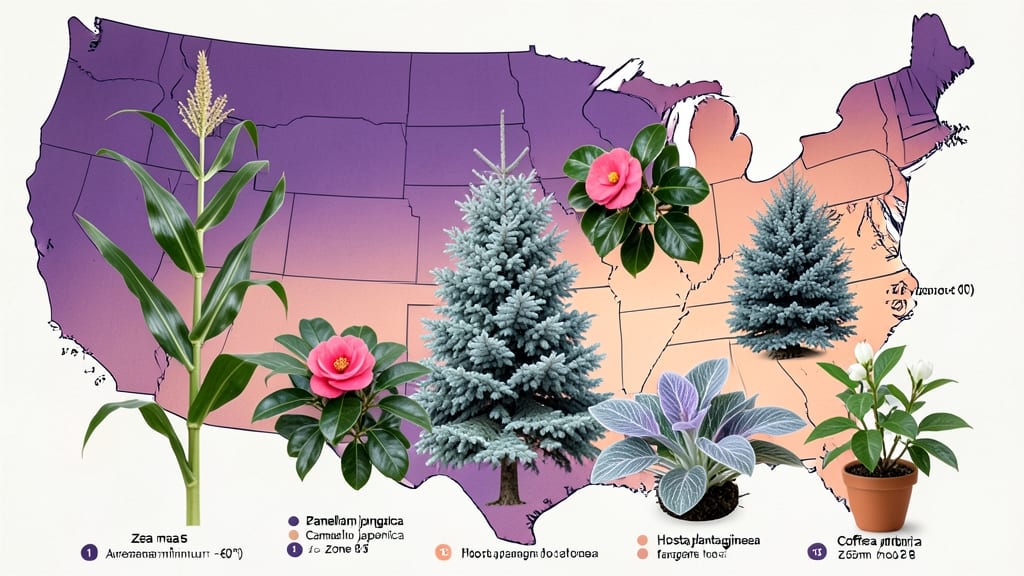
💥 Quick Answer The US growing zone chart helps you identify your exact USDA plant hardiness zone by ZIP code, revealing which plants will thrive in your region's specific temperature range. This system divides the…
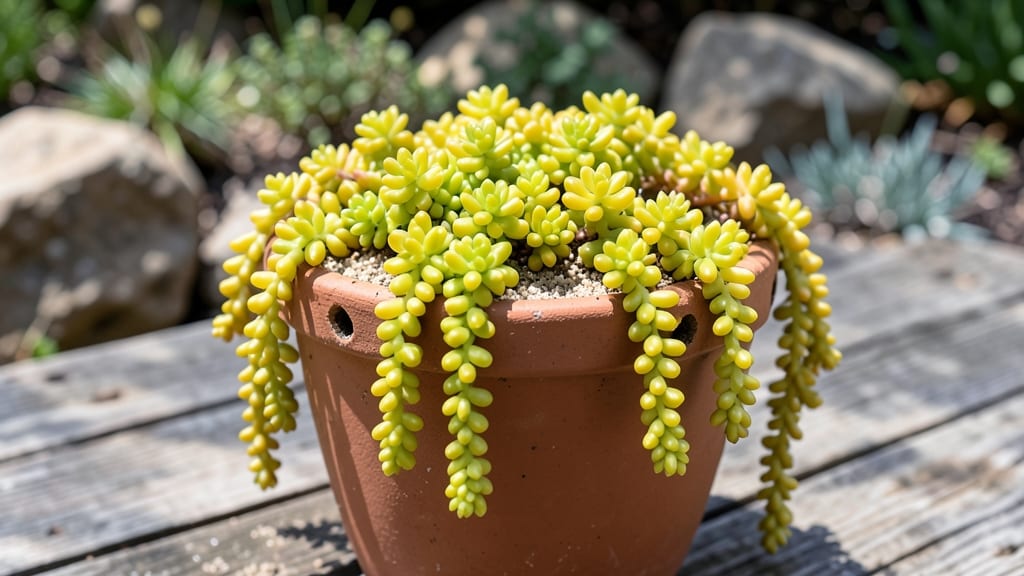
💥 Quick Answer Lemon Coral Sedum thrives in USDA Hardiness Zones 4-9 , where it handles winter lows down to -30°F (-34°C) and summer heat up to 90°F (32°C) with proper care. Its drought-resistant nature makes it perfect…
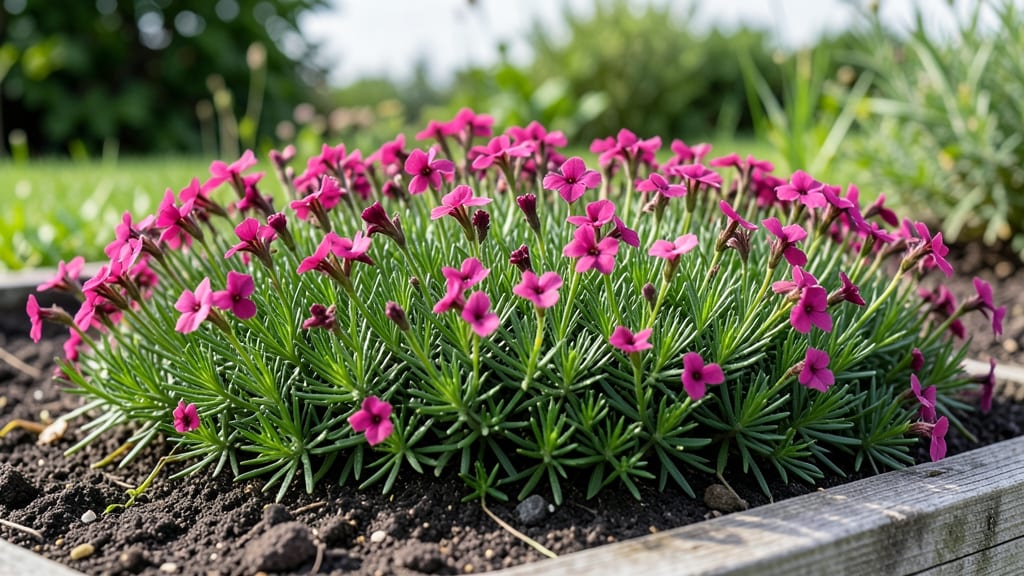
💥 Quick Answer Creeping phlox thrives in USDA zones 3 through 8, where it handles winter temperatures down to -30°F (-34°C) but may wilt in extreme summer heat or high humidity. For best results, plant in well-draining…
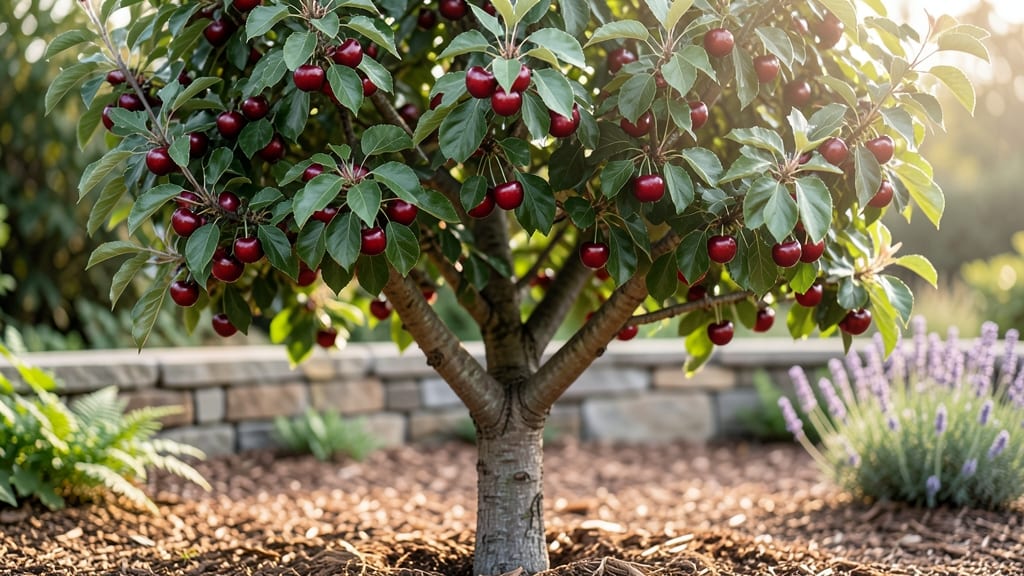
💥 Quick Answer Bing cherry trees grow best in USDA hardiness zones 5 through 8, where they receive adequate winter chill hours (500–1,000) for proper fruit development. Plant them in well-draining soil with full sun…
💥 Quick Answer Plant hardiness zones help gardeners choose plants that will survive winter in their region by mapping average low temperatures, ensuring healthy growth and reducing plant loss. These zones, developed by…