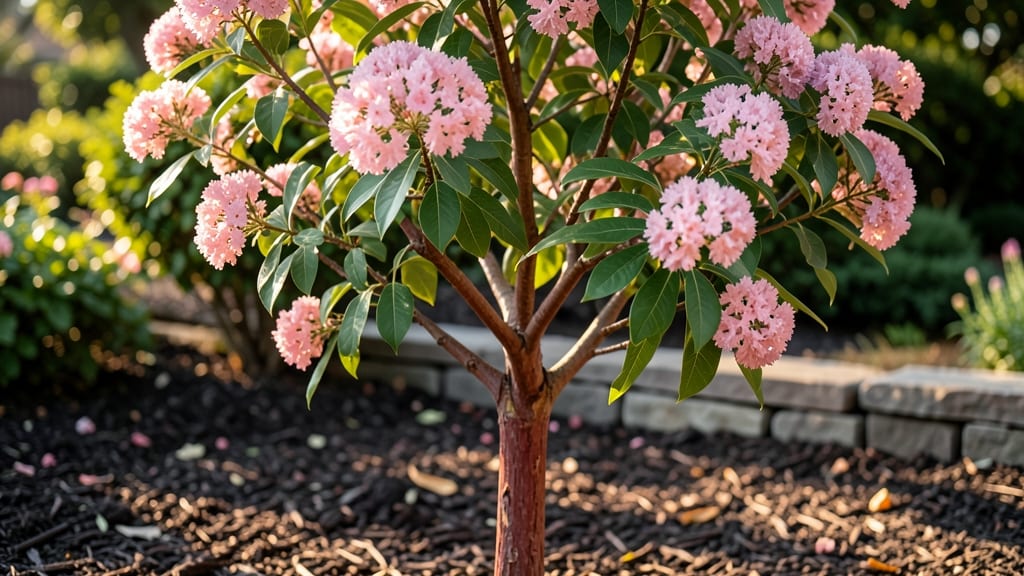
💥 Quick Answer Crape myrtle grows best in USDA hardiness zones 7 through 10, thriving especially in zones 7-9. Plant during early spring or fall to avoid extreme temperatures, ensuring strong root development and…
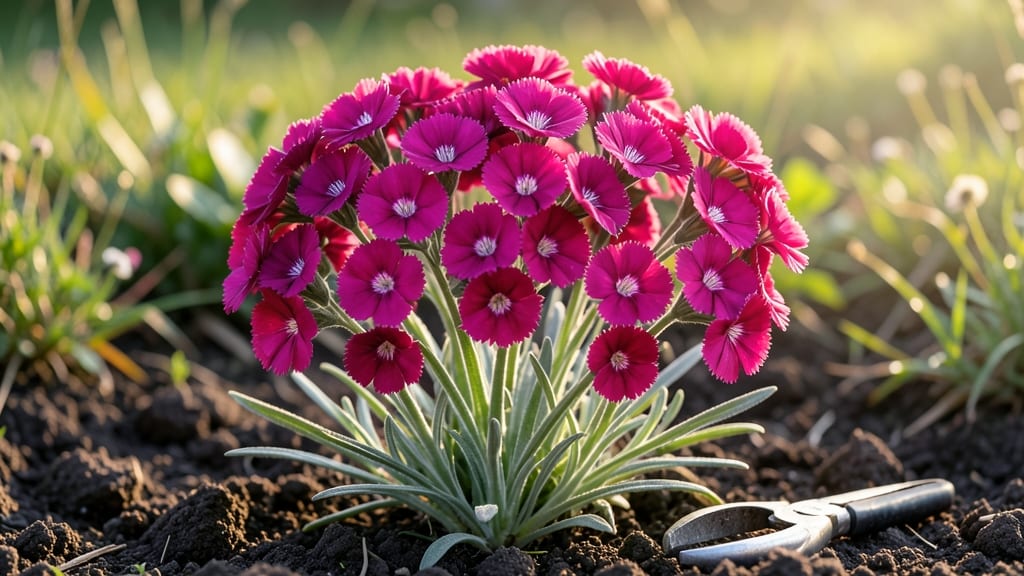
Your dianthus flowering season depends on your USDA zone and the variety you’ve chosen — but most gardeners in Zone 6a can expect vibrant blooms from late spring through early fall 🌸. If you’re dreaming of vibrant…
💥 Quick Answer Garden Zone 7 covers areas with average minimum temperatures between 0°F and 10°F (-18°C to -12°C), offering a balanced climate for both cold-hardy perennials and tender tropicals in sheltered spots. The…
💥 Quick Answer Gardenia plants in Zone 5 grow successfully when you choose cold-resistant types like Gardenia jasminoides 'Kleim’s Hardy,' which endure down to 10°F with the right winter protection—think heavy mulching…
💥 Quick Answer Ohio's growing zones by zip code determine your plant hardiness, ranging from USDA Zone 5b in colder northern regions like Cleveland to Zone 6b in warmer southern areas such as Cincinnati. These zones…
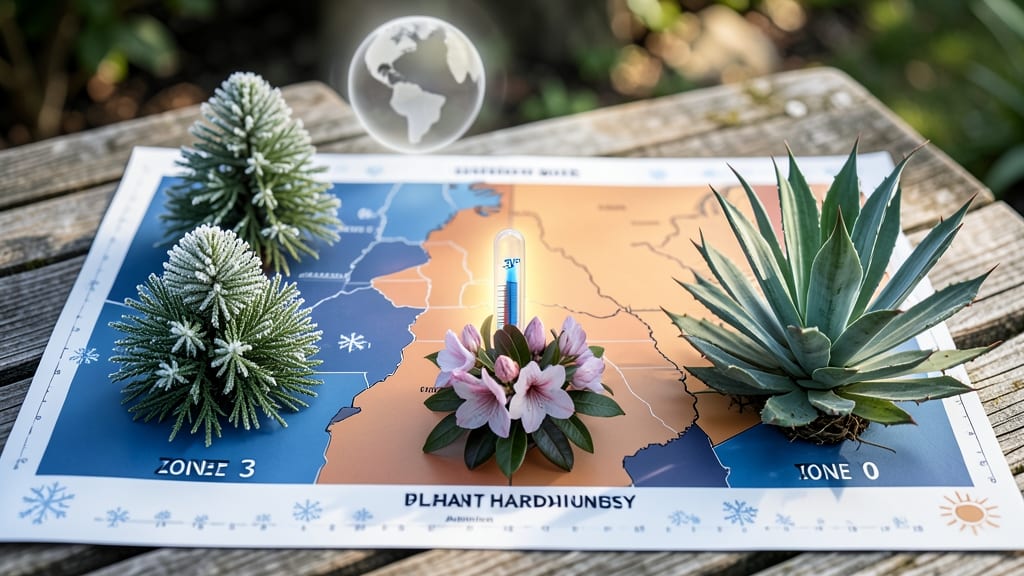
💥 Quick Answer Finding your USDA growth zones in the USA requires locating your area on the official 13-zone map (1-13) with optional a-b subzones, based on your region's average annual minimum temperature. This…
💥 Quick Answer Ice cream bean trees grow best in USDA hardiness zones 10 through 12, where they enjoy tropical warmth year-round and minimal frost exposure. These trees demand temperatures consistently above 50°F (10°C)…
💥 Quick Answer Understanding the Memphis planting zone is essential for successful gardening, as the city spans USDA Hardiness Zone 7b with microclimates reaching Zone 8a , particularly near the Mississippi River…
💥 Quick Answer Philadelphia’s growing zone spans USDA Hardiness Zones 6b to 7a, but urban heat islands, river valleys, and elevation differences create localized shifts that can push your garden into zones 5b or…