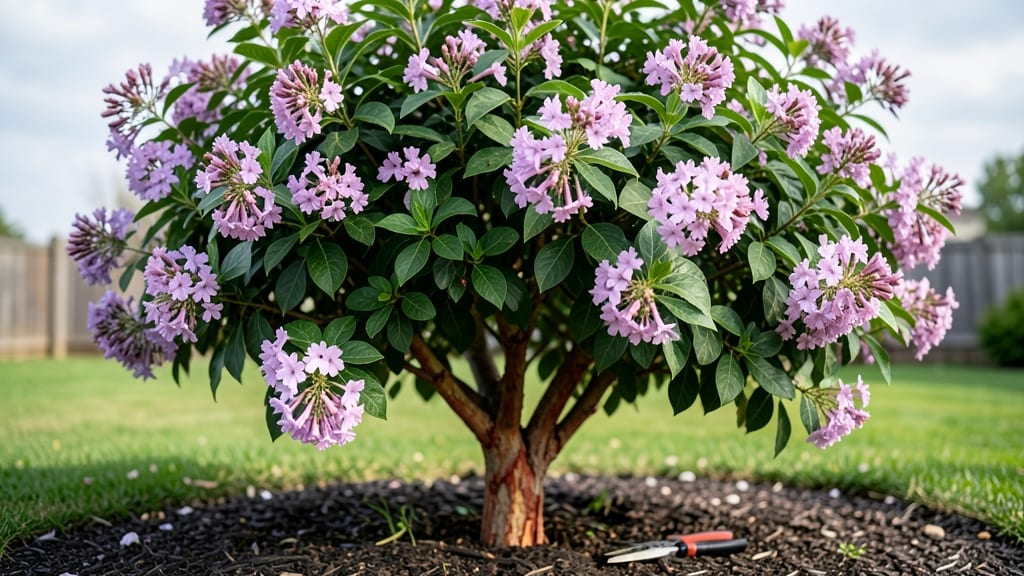
💥 Quick Answer Plant hardiness zone 8b supports perennial plants that tolerate average minimum temperatures between 15°F and 20°F (-9°C to -6°C), including citrus, olive trees, and many fruit-bearing shrubs like figs…
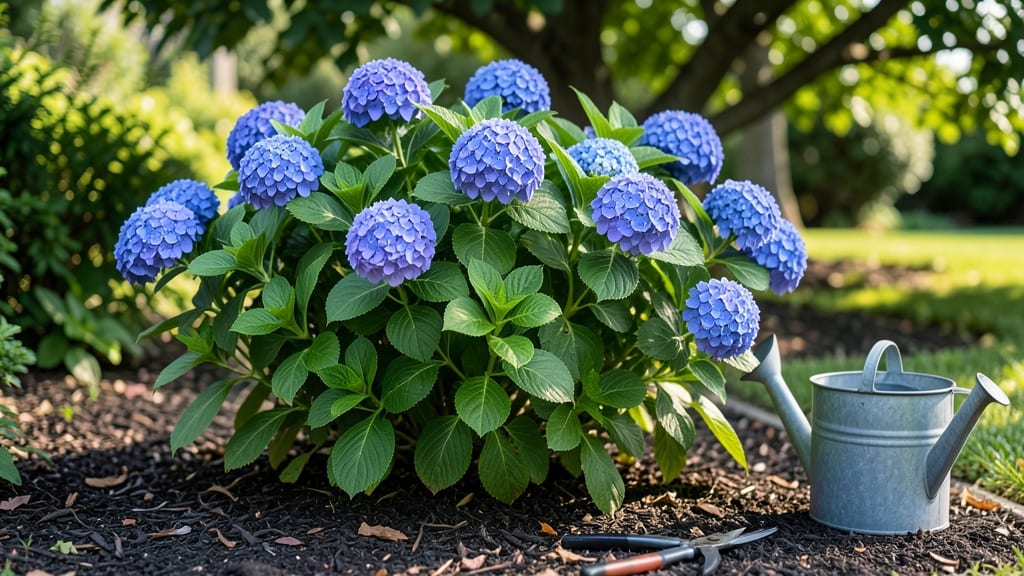
💥 Quick Answer Shade hydrangeas grow well in Zone 5 when you plant them in late spring or early fall, selecting hardy types like Oakleaf or Annabelle that survive down to -20°F. Use thick mulch in winter and choose…
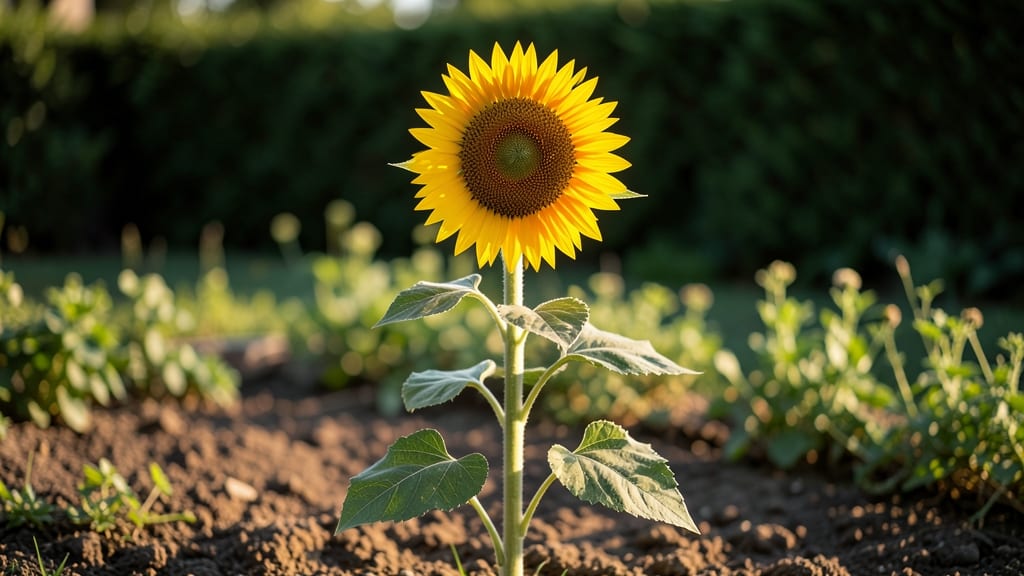
The sunflower growing season starts with timing that turns a handful of seeds into towering 🌻 giants—or flops into sad, spindly stalks. Picture this: You plant your sunflowers in early April , confident they’ll reach…
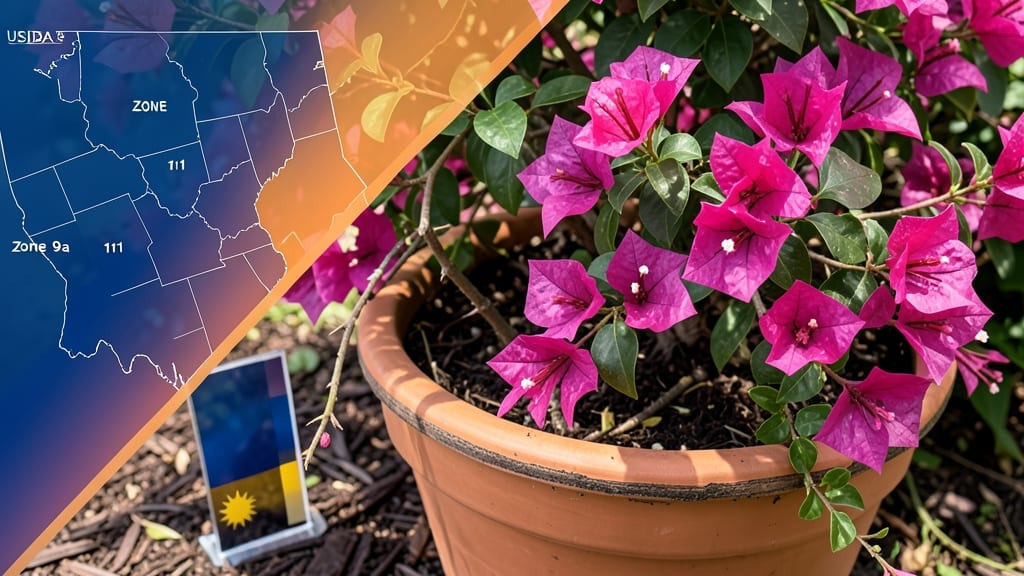
💥 Quick Answer USDA Planting Zones 9 to 11 define warm climates where winter lows range from 20-30°F in Zone 9 to almost frost-free conditions in Zone 11, demanding heat-loving plants like bougainvillea and citrus…
💥 Quick Answer USDA Zone 7B features average minimum temperatures between 10°F and 5°F (-12°C to -15°C), with last spring frost typically around April 15 and first fall frost around November 15 , though local conditions…
Before diving into your garden, here’s what growing zone is MA—so you can pick the perfect plants for your yard. These variations mean your garden's success depends on where you live within the state. Understanding…
💥 Quick Answer Maine's planting zones range from 4 in the far north to 7 in southern cities like Portland, with most of the state falling between zones 5 and 6. Coastal areas typically stay in Zone 6, while inland…
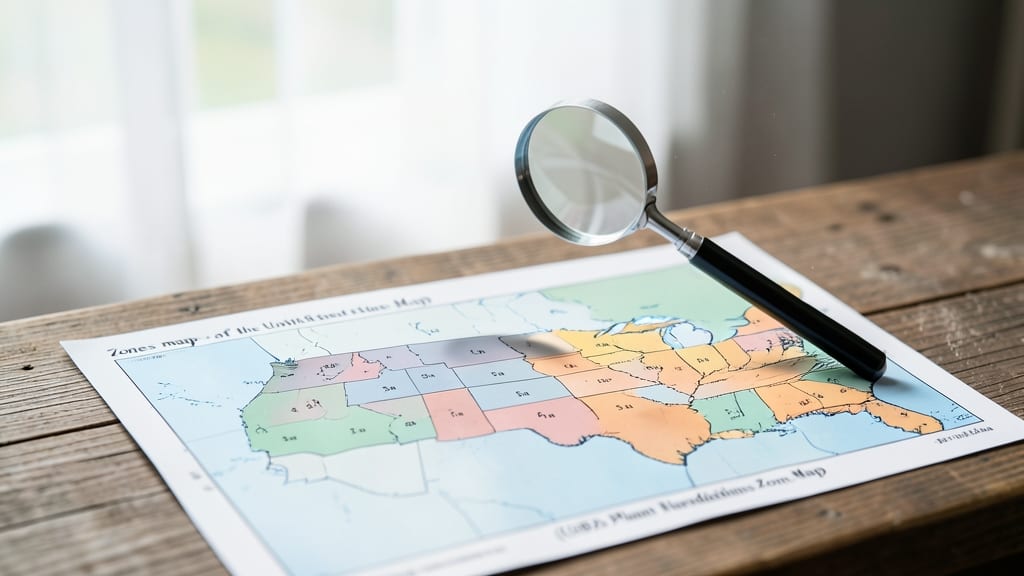
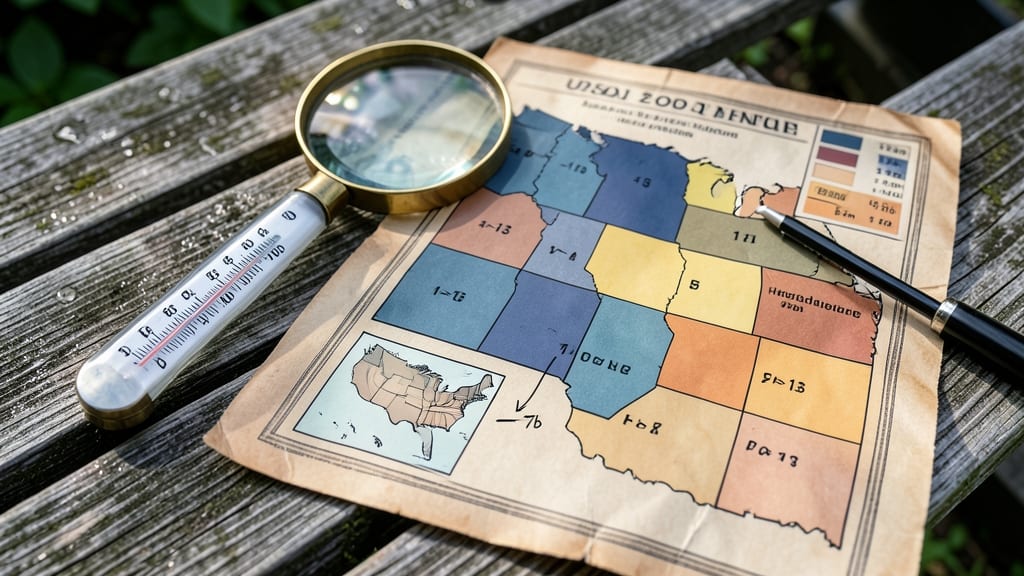
💥 Quick Answer To find your soil zone, check the USDA Plant Hardiness Zone Map for your location, which divides North America into 13 temperature-based zones. Simply enter your ZIP code or city to identify your exact…
💥 Quick Answer Pennsylvania's gardening zones span USDA Hardiness Zones 4 through 7**, with most areas falling in Zones 5 and 6. Northern regions like Erie and McKean sit in Zone 4, while southern areas like Chester and…