
Blooming
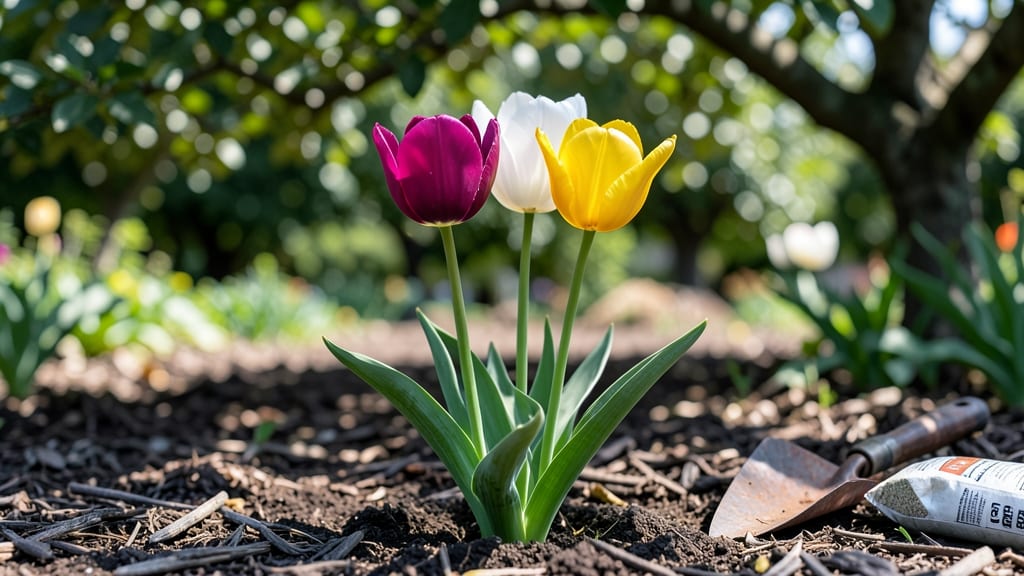
The tulip flower blooming season arrives with a splash of color that transforms any garden into a spring masterpiece.
But here’s the catch: those vibrant blooms often fade faster than you’d like, leaving you wondering how to stretch their beauty. Whether you’re in the Northern Hemisphere or the Southern Hemisphere, timing and care make all the difference in extending that show-stopping display.
From the first hints of pink buds in early spring to the last petals of late varieties, understanding your region’s climate and tulip types is key. Darwin Hybrids might bloom earlier, while Parrot Tulips linger longer—each variety has its own secrets to maximize your garden’s impact.
Below, I’ll share the exact timing for your zone, proven tricks to keep tulips blooming for weeks longer, and the best companion plants to keep your garden thriving once the tulips start to fade.
Tulip blooming season by region and variety: exact timing for peak color
Timing your tulip blooms perfectly means understanding your USDA hardiness zone and choosing the right tulip varieties. While most tulips bloom in late spring, the exact timing varies by region and type.
In Zone 5-7, expect blooms between mid-April and early May, while Zone 8-10 gardens may see flowers as early as February or March. European gardens often bloom 2-4 weeks earlier than North American counterparts.
Climate plays a huge role—cooler springs delay blooms, while warmer winters can trigger early sprouting. Darwin Hybrid tulips are the most reliable for late-season color, while Species Tulips like Tulipa tarda bloom earliest. Understanding these patterns helps you plan layered plantings for continuous color.
Tulip blooming seasons aren't just about timing—they're about duration too. Some varieties like Parrot Tulips stay vibrant for 3+ weeks, while classic Dutch tulips may fade in 10-14 days. The key is selecting a mix of early, mid, and late-season varieties to extend your garden's peak color window from February to June.
If you're in the Southern Hemisphere, flip your expectations—tulips bloom from August to October. Australia's Zone 8-10 sees early blooms in late winter, while New Zealand's cooler climates may delay flowers until early spring.
For European gardens, Netherlands' tulip fields peak in April, but Mediterranean regions can have winter blooms.
To stretch your tulip season, plant bulbs in layers—early varieties in September and late types in November.
This staggered approach ensures continuous blooms from March to June. Parrot Tulips and Double Late tulips are excellent choices for extended color, often lasting 3-4 weeks when given proper care.
Don't forget that soil temperature affects bloom timing too. Tulips need 60-70°F soil to sprout but cooler nights to set buds. In hot climates, mulch bulbs with straw or bark to regulate temperature.
This simple trick can delay blooming by 2-3 weeks, preventing flowers from opening too early in heatwaves.
For container gardens, choose dwarf varieties like 'Tiny Tim' (6-8 inches tall) for early blooms, then add standard types like 'Apeldoorn' for late-season color. Containers warm up faster, so expect blooms 1-2 weeks earlier than in-ground plantings. Just ensure pots have drainage holes to prevent bulb rot.
One common mistake is assuming all tulips bloom at once. In reality, proper variety selection and planting depth
5 Proven techniques to extend tulip blooms by 3-6 weeks
Tulips may seem like fleeting spring stars, but with the right care, you can stretch their show by weeks. The secret lies in understanding their growth cycle and giving them the right conditions.
Many gardeners assume tulips bloom once and fade—but with these techniques, you can coax 3-6 extra weeks of vibrant color from your garden.
First, let’s bust a common myth: tulips don’t just bloom once. With proper care, some varieties can rebloom or extend their display. The key is combining soil nutrition, watering discipline, and strategic planting. Here’s how to make it happen in your garden.
🌷 5 Proven Techniques
- 1. Deadhead Daily Remove spent blooms immediately to redirect energy to leaf production and bulb storage for next year’s flowers.
- 2. Boost Soil Potassium Add bone meal (3-4-0 NPK) in early spring to strengthen stems and extend bloom duration by up to 2 weeks.
- 3. Water Deeply, Less Often Soak soil 1 inch per week at the base (not overhead) to prevent fungal issues and encourage root depth.
- 4. Layer Planting Dates Plant early, mid, and late-season varieties (e.g., 'White Dream' + 'Queen of Night') to stagger blooms over 6 weeks.
- 5. Leave Leaves Until Yellow Never cut leaves before they fully yellow—this starves bulbs and reduces next year’s blooms by 50%.
Start with deadheading—this simple act removes spent blooms and signals the plant to focus on leaf growth instead of seed production. I’ve seen tulips in my own garden last 3 weeks longer just by snipping off faded blooms every 2-3 days.
Pair this with a potassium-rich fertilizer like 0-10-10 in early spring to build stronger stems and deeper roots.
The watering schedule is often overlooked, but consistency is key. Tulips hate soggy soil, which leads to rot and shorter blooms. Instead, water deeply once a week at the soil base—this encourages roots to grow downward, making the plant more resilient.
I use a soaker hose to deliver water directly to the roots without wetting the leaves.
For a continuous color show, try layered planting. Mix early bloomers like 'Darwin Hybrid tulips (which bloom in late April) with late varieties like 'Parrot Tulips' (June blooms).
This creates a 6-week cascade of color. In my zone 6 garden, this trick has turned a 2-week tulip season into a month-long spectacle.
Finally, resist the urge to cut tulip leaves too soon. Many gardeners make the mistake of trimming leaves after blooms fade, but this robs the bulb of energy for next year.
Wait until leaves turn completely yellow before removing them. This small change can double your tulip’s lifespan in future seasons.
With these techniques, your tulips won’t just bloom—they’ll thrive. Try one or two this season and watch your garden transform into a longer-lasting spring masterpiece. 🌸