
Advice
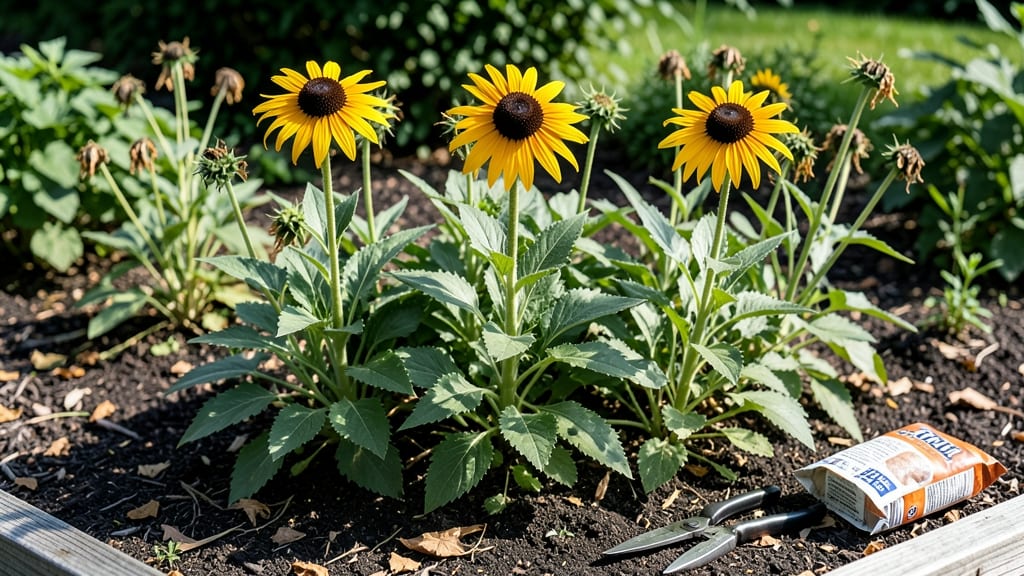
USDA Zones 5 through 8 cover regions where average winter lows range from -20°F to 10°F (-29°C to -12°C), creating ideal conditions for everything from frost-resistant shrubs to warm-season vegetables. Fine-tuning planting schedules and microclimates helps maximize success across these diverse growing conditions.
These zones bridge the gap between cold northern climates and warmer southern regions, which means gardeners must balance early spring planting with late-season heat tolerance. 🌱 For example, Zone 5's shorter growing season demands cold-hardy varieties like Russian sage, while Zone 8 can support tropical plants like hibiscus with proper winter protection.
Microclimates—like south-facing walls or raised beds—can effectively shift your effective growing zone by 1-2 levels, giving you more flexibility with plant selection.
Understanding your specific zone's frost dates is crucial. Zone 5 typically has 120-150 frost-free days, while Zone 8 enjoys 210-240 days—that extra time makes all the difference for heat-loving crops.
I always check my local cooperative extension service for precise frost data, as it's more accurate than relying on general zone maps alone.
💡 In This Article
- Understanding Temperature Ranges in USDA Zones 5-8
- Microclimate Strategies for Zones 5-8 Gardens
Understanding temperature ranges in USDA zones 5-8
The USDA Plant Hardiness Zone Map divides these regions based on average annual minimum temperatures, measured over a 30-year period. Zone 5's threshold sits at -15°F to -20°F (-26°C to -29°C), while Zone 8 ranges from 10°F to 15°F (-12°C to -9°C).
What this means is that a plant rated for Zone 5 will survive winter lows down to -20°F, but might struggle in Zone 6's milder winters. The 10°F difference between adjacent zones might seem small, but it dramatically affects which plants thrive.
Frost-free days vary dramatically across these zones. Zone 5 typically offers 120-150 days of frost-free growing time, while Zone 8 enjoys 210-240 days. This extended growing season in warmer zones allows for double-cropping—planting early spring crops, harvesting, then replanting with fall varieties.
For example, in Zone 8, you could grow lettuce in early spring, harvest by June, then replant with another crop by July. The 100-day difference between Zone 5 and Zone 8 fundamentally changes what you can grow and when.
Seasonal extremes also play a critical role. Zone 5 may experience 50°F temperature swings between summer highs and winter lows, while Zone 8's swings are more moderate (40°F difference).
This affects plant selection—Zone 5 gardens need cold-hardy perennials like Russian sage or coneflowers, while Zone 8 can support tropical plants like hibiscus or bougainvillea with proper winter protection. The key is matching plant hardiness ratings to your zone's extremes.
What most gardeners don't realize is how microclimates can effectively shift your growing conditions. A south-facing wall can add 1-2 USDA zones of warmth to your garden space, while a low-lying area might be 5°F colder than the surrounding landscape.
This is why precise zone mapping matters—your backyard might contain multiple microclimates that require different planting strategies. For instance, a raised bed in full sun might support Zone 7 plants even in a Zone 6 area.
Temperature thresholds also influence plant dormancy cycles. Many perennials in Zone 5 need 600-900 chill hours (temperatures below 45°F) to break dormancy, while Zone 8 plants often require 300-500 chill hours.
This explains why some fruit trees (like apples) struggle in Zone 8—they need more winter chill to produce fruit. Understanding these chill requirements helps select appropriate varieties for your specific zone.
One practical example: In Zone 6, you might successfully grow peaches (which need 400-600 chill hours), but in Zone 8, you'd need varieties like 'Elberta' or 'Redhaven' that thrive with 300-400 chill hours.
The same plant can fail or excel based solely on chill hour compatibility with your zone. 🌡️