My earliest memories are of sprawling backyards and my grandfather’s endless experiments with tomatoes—some of which made it to the dinner table, and some of which didn’t. That mix of curiosity and chaos is what drew me to gardening, and now I’m here to share the joy of growing things, whether you’re a seasoned green thumb or just starting with a windowsill herb garden. This site is where I pass along the lessons I’ve learned: the triumphs, the flops, and everything in between.
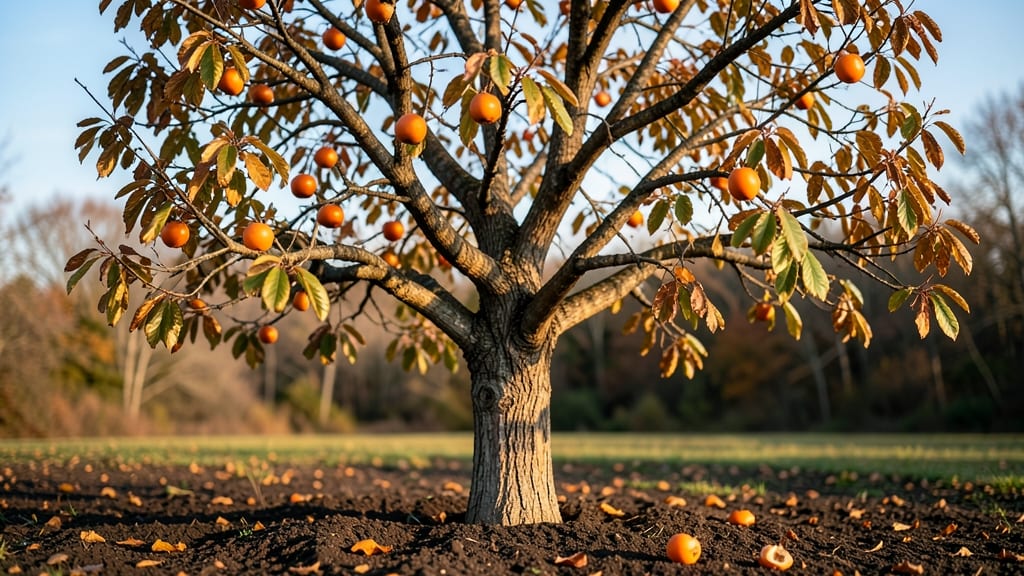
💥 Quick Answer Persimmons thrive in USDA hardiness zones 5 through 9, with cold-hardy varieties like 'Meader' surviving down to zone 4. Young trees need winter protection, while mature specimens tolerate frost once…
💥 Quick Answer Understanding Colorado’s hardiness zones is essential because they range from USDA Zone 3 in mountainous regions to Zone 7 in lower elevations, with microclimates influenced by elevation and topography…
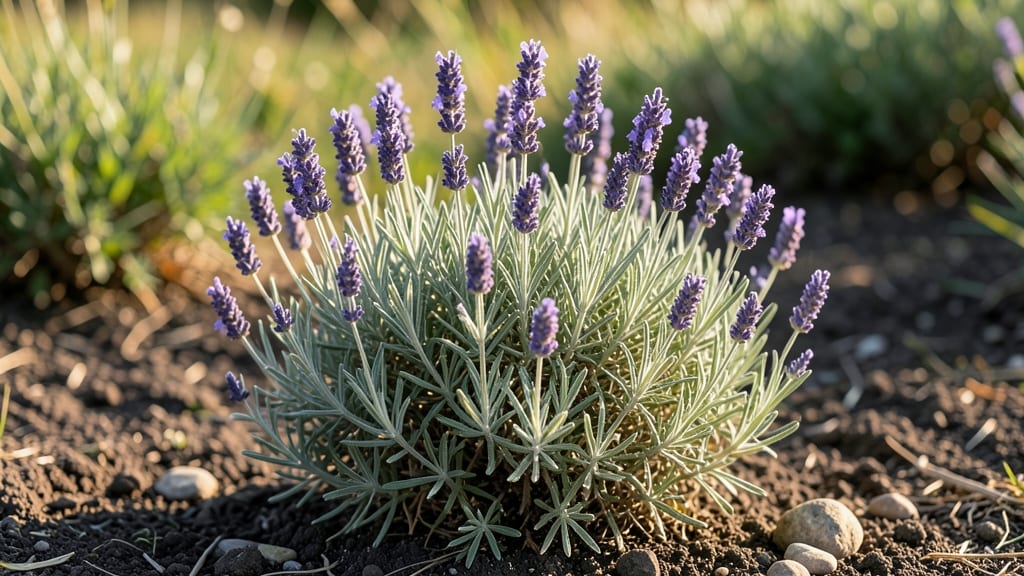
💥 Quick Answer Lavender can thrive as a perennial in Zone 5 when you select the right varieties and provide proper care: opt for cold-resistant types like 'Munstead' or 'Hidcote,' plant in well-draining soil with full…
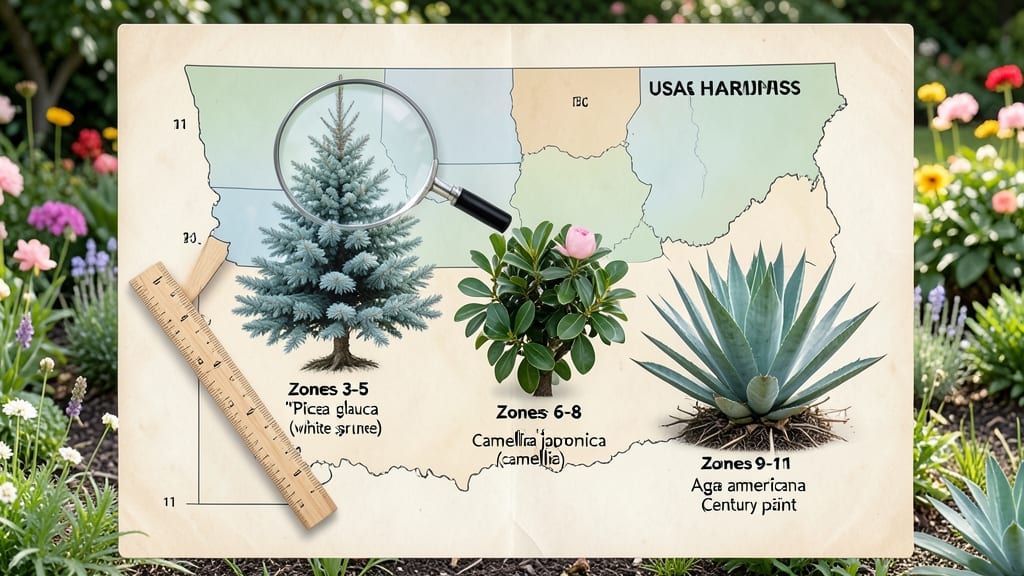
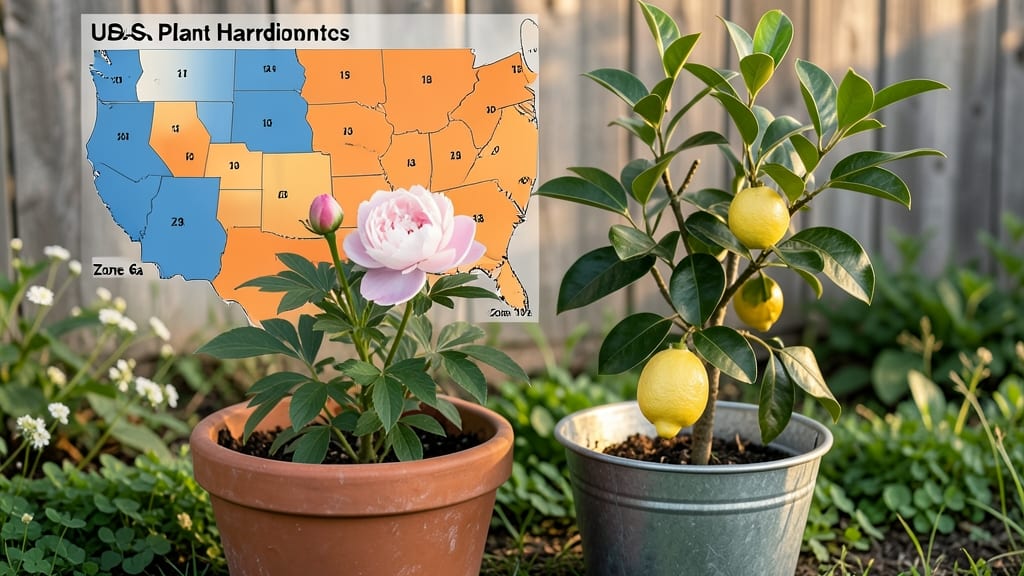
💥 Quick Answer USDA Plant Hardiness Zones map regions based on average annual minimum temperatures to show which plants can survive winter conditions, from Zone 1 (extreme cold) to Zone 13 (tropical climates). Knowing…
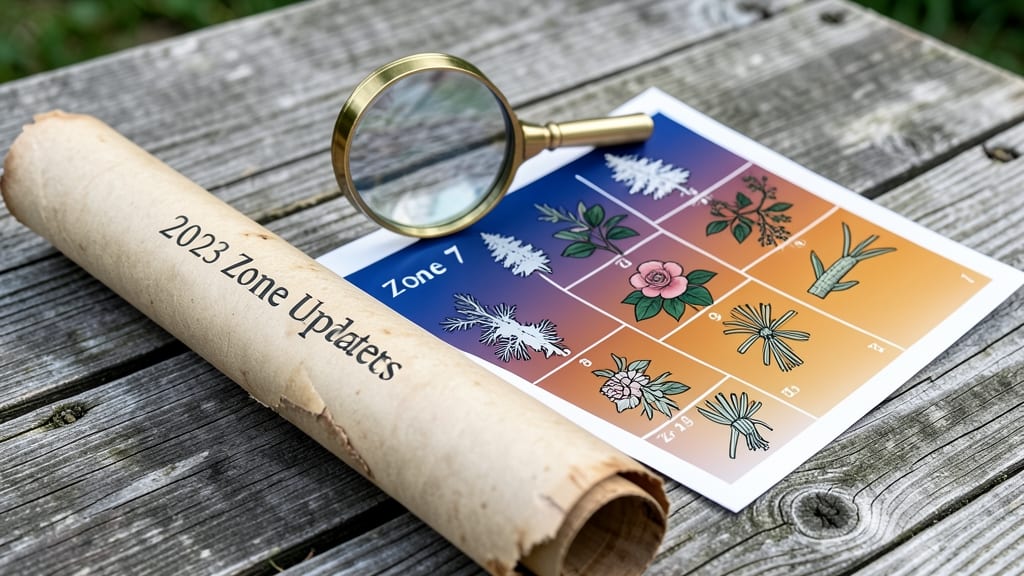
The latest USDA hardiness zone news reveals 2023’s updates, shifting zones northward as rising temperatures expand gardening possibilities nationwide. The 2023 USDA Plant Hardiness Zone Map marks the first major update…
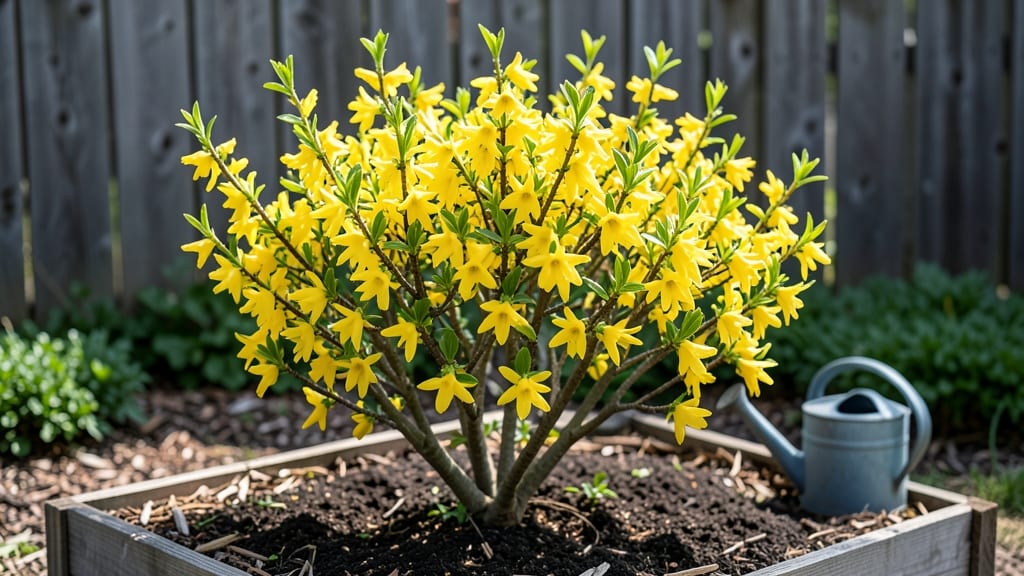
💥 Quick Answer Forsythia grows best in USDA Hardiness Zones 5 through 9, where it survives winter lows down to -20°F (-29°C) and blooms vibrantly each spring before most trees leaf out. For colder climates, opt for…
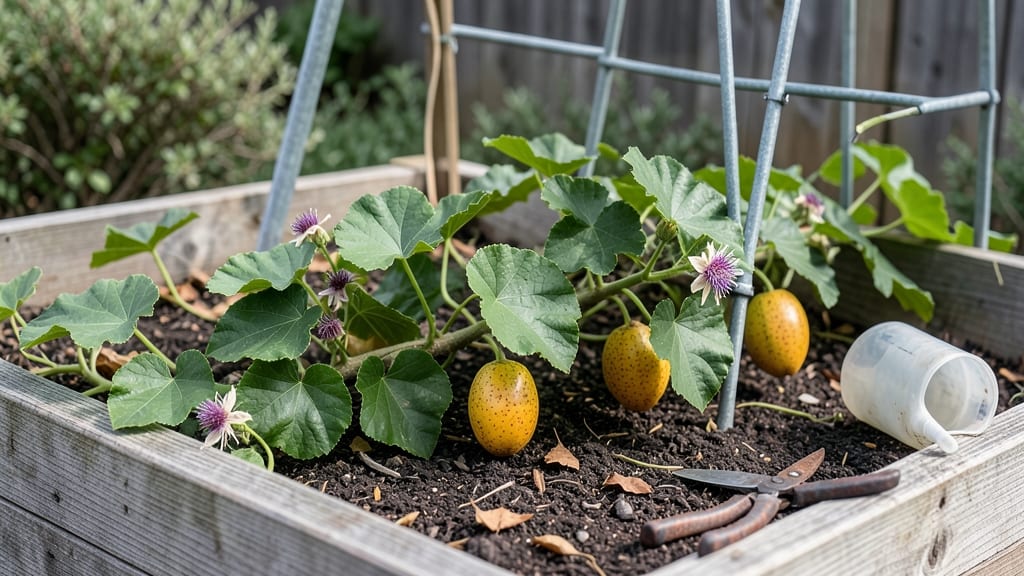
💥 Quick Answer: To grow a thriving passion fruit plant, focus on USDA Hardiness Zones 8 through 11, where warm climates or frost-free conditions are essential. In colder regions, grow them as annuals or in containers…
💥 Quick Answer USDA Zone 8 covers the southern U.S., stretching across California, Arizona, Texas, Florida, Georgia, South Carolina, and coastal areas like the Carolinas and Gulf Coast, where winter lows typically range…
💥 Quick Answer Understanding Kansas growing zones is essential because the state covers USDA Hardiness Zones 5 through 7, with most areas in Zone 6, creating ideal conditions for cold-hardy plants like apples, grapes…
💥 Quick Answer US gardening zones help you identify your area's climate range, which is crucial for selecting plants that can survive your region's coldest temperatures—from Zone 1's extreme winters to Zone 13's…