My earliest memories are of sprawling backyards and my grandfather’s endless experiments with tomatoes—some of which made it to the dinner table, and some of which didn’t. That mix of curiosity and chaos is what drew me to gardening, and now I’m here to share the joy of growing things, whether you’re a seasoned green thumb or just starting with a windowsill herb garden. This site is where I pass along the lessons I’ve learned: the triumphs, the flops, and everything in between.
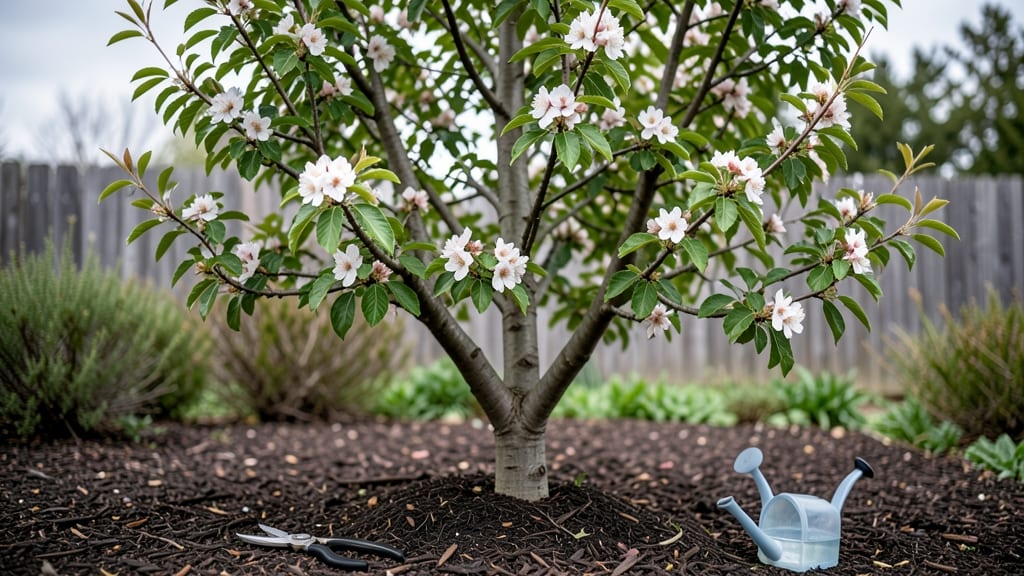
💥 Quick Answer Zone 4 peach trees thrive with cold-hardy varieties like 'Reliance' or 'Contender,' requiring winter protection, proper soil drainage, and late-spring planting to survive subzero temperatures and frost…
💥 Quick Answer A Zone 4A planting schedule aligns with last frost around mid-May and first frost by mid-September , starting cold-hardy crops like spinach in early spring, transplanting tomatoes in late May, and…
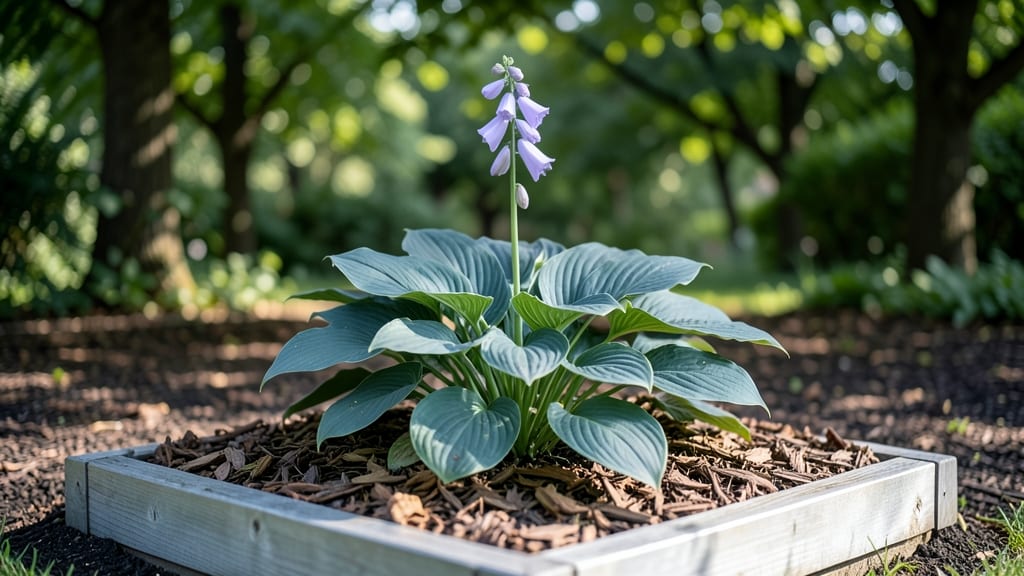
💥 Quick Answer Zone 4b gardening succeeds with frost-resistant perennials like coneflowers and hostas, while biennials such as foxgloves and hollyhocks make the most of the region's brief growing window. Protect plant…
💥 Quick Answer Your Zone 4B planting schedule should align with last frost dates between mid-April and early June, and first frosts from late September to mid-October, using these timelines to plant cool-season crops in…
💥 Quick Answer Zone 5 gardening requires careful timing and cold-resistant plant choices to maximize your growing season, from early spring spinach and peas to late-summer kale and radishes, with frost-sensitive crops…
💥 Quick Answer Zone 5b gardening succeeds with frost-tolerant plants like Russian sage, coneflowers, and winter wheatgrass, while using row covers and mulch to shield against late freezes and subzero temperatures…
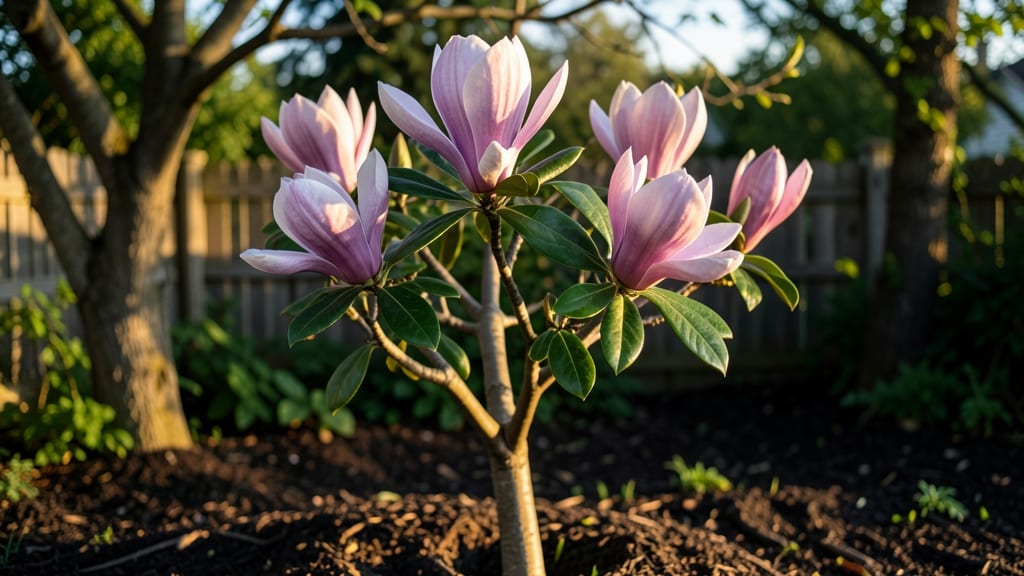
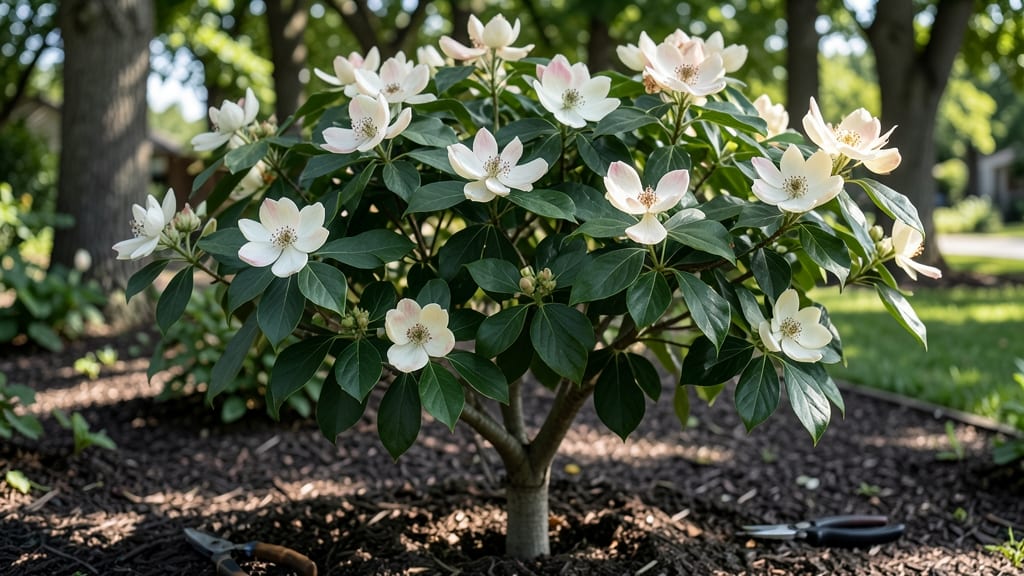
💥 Quick Answer For Zone 6 magnolias to thrive, choose cold-resistant varieties like 'Black Tulip' or 'Jane', plant in well-draining soil with partial shade, and apply thick winter mulch to protect roots during -10°F…
💥 Quick Answer For Zone 6 Ohio state gardeners, timing is critical: last spring frosts typically arrive between April 15–May 1 , while first fall frosts hit around October 15–20 . Cool-season crops like spinach and peas…
💥 Quick Answer Zone 9 and 10 are the warmest USDA hardiness zones, where frost-free winters create ideal conditions for tropical and subtropical plants to grow year-round, with average minimum temperatures ranging from…
💥 Quick Answer Gardening in Zone 9a means planning around last frost dates between December 15 and January 31 , with first frosts hitting November 15 to December 31 . Local conditions like urban heat or sheltered…